Hepper is reader-supported. When you buy via links on our site, we may earn an affiliate commission at no cost to you. Learn more.
How to Teach a Dog to Come Without Treat: 5 Effective Tips


In this article
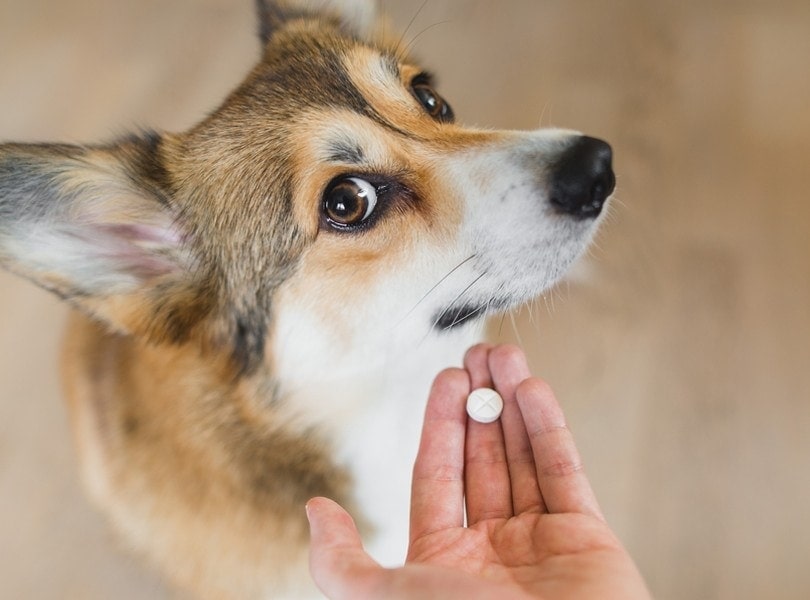
We all know that Fido comes running every time you whip out the snacks. Dogs are highly food-motivated creatures, so it's no surprise that treat training works as well as it does. But relying solely on treats to motivate your dog to listen is not a good foundation. Sometimes you need them to snap to it, and treats won't be an option.
So to create a routine, we'll talk about persuading your dog to come to you without food. We hope our tips help you get through this next part of training and give you a well-rounded, obedient dog. You're going to, of course, have to have patience and carve out time to make this work. Let’s get started.

The 5 Simple Steps to Teach a Dog to Come Without Treat
1. Treat Train First
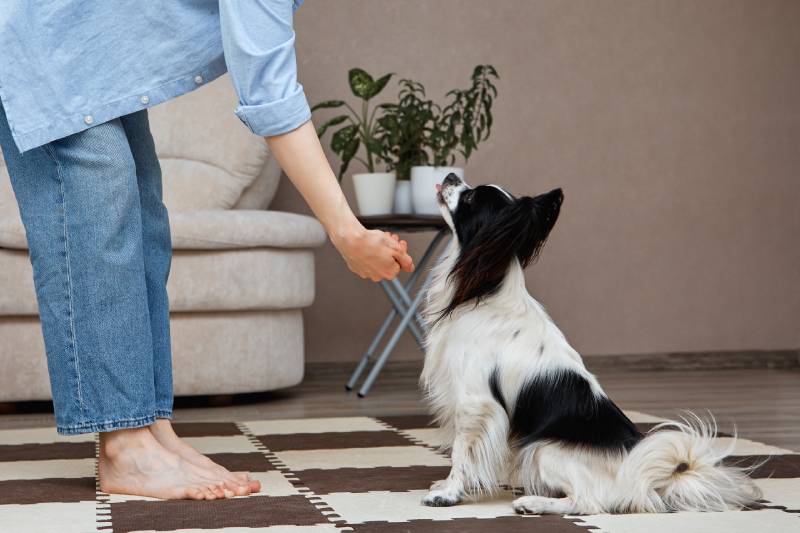
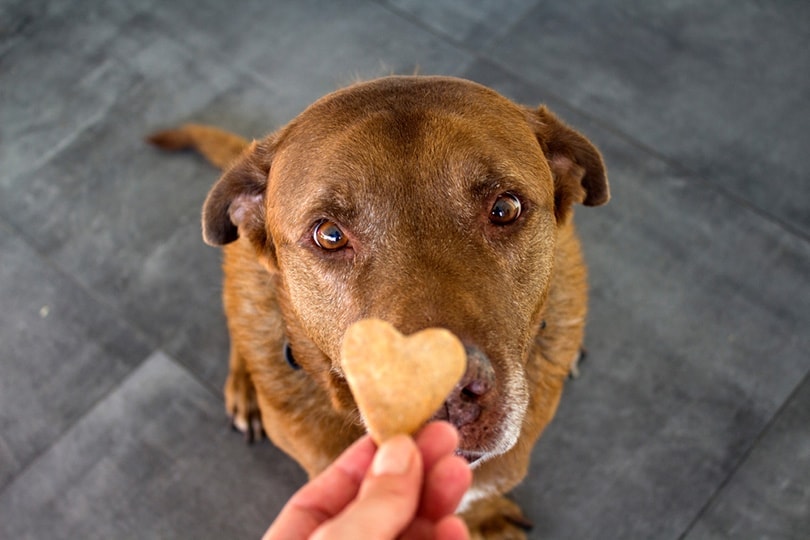
Treats will be your best friend when you have a spunky puppy to train. Nothing snaps them to attention quite like spotting their favorite goodie in your hand. You can quickly treat train since it naturally captivates their attention.
Once it seems like they respond well to treat commands and have all the motions down, you can start moving away from this form of training. Each dog will move at their own pace, so giving this portion a timeline is difficult.
Several factors will determine when a dog is ready based on age, activity level, and attention span. You know your dog better than anyone. When you are satisfied with treat-training results, it’s time to start brainstorming for an alternative training technique.
2. Find a Motivator
Finding a motivator is generally easy, but it can be tricky if your dog doesn't have much of a play drive or tends to take a lackadaisical approach to life. But the good news is, you know your dog better than anyone, and everyone can find something.
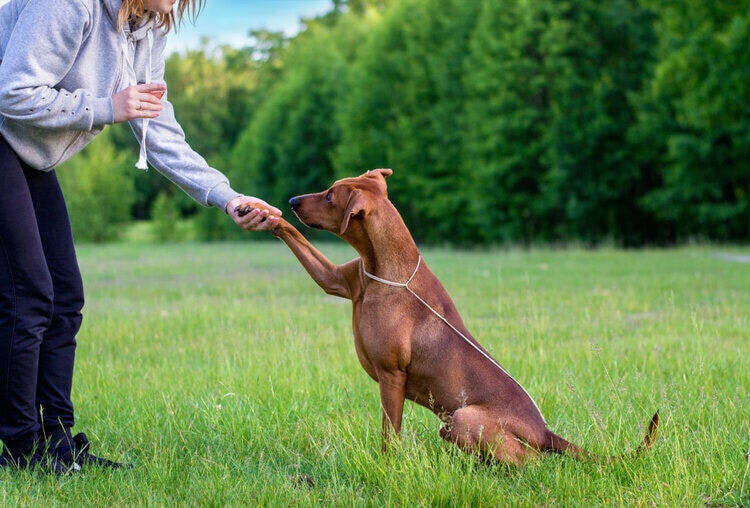
For energetic, play-motivated dogs, we have an outstanding solution for you. If your dog partakes in tug-of-war or connective games like that, you can easily use this as a motivator. This might be an even bigger motivator for some extremely playful dogs than food.
Tug-of-war is a great game to start because it's very hands-on and direct. Your dog will be directly focused on the object in your hand, creating stimulation and focus.
Tug-of-war will spark play and get your dog hyper-focused on what you're commanding them to do. This even works in social settings with a lot going on. Tug-of-war options work with trained or untrained dogs. And it's a really great start if you've never tried training before.
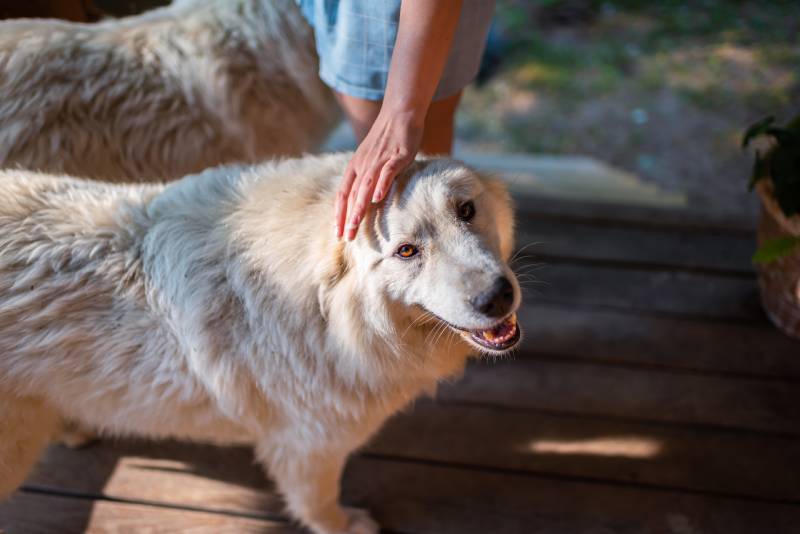
A word of praise, a cuddle, or a good old belly rub are some great examples of non-food motivators that you can offer to your dog.
3. Transition the Method of Praise Slowly
This doesn't have to be all at once. Your dog has mastered treat training and is now ready to move forward with its new behavior as a regular part of life. It's supposed to be a slow transition. Only you can decide when your dog is entirely ready to transition, but it should only take a few weeks permitting you're persistent.
4. Stop Offering Treats Altogether
When we say stop offering tricks altogether, we don’t want any discouraged pups. Of course, you can still use treats for a job well done after potty time or "just because." But when it comes to training, the entire idea is to persuade your pup to listen without food motivation.
Soon, if you stick to it, you will have a well-rounded, mannerly dog who listens to words—not food. Remember, your attention, your praise, and your cuddles are also great reinforcers for your dog.
5. Make It Stick
It's essential to keep it consistent. When your voice commands, it's always best that your dog listens to you without the involvement of food. If you want to reward them for a job well done or just because they love a snack, it's perfectly acceptable to give your puppy snacks still.
It just shouldn't be done to motivate specific actions since it is totally unnecessary once they have a behavior down pat. Coming to you should be relatively simple to complete without the use of treats anyway once your dog learns the ropes.
It's time for your dog to get it together. Please take what you've been doing and utilize it for the remainder of your life. They'll still get plenty of goodies, just not in the same scenarios anymore. Don't worry. Your words and attention are also great motivators and your dog will get used to their new routine and no time.

Treat Training Is Necessary
Treat training is a great place to start. It creates a bond and trust between you and your pet. When they're very young, treats are one of the biggest motivators because they are so high energy and bursting at the seams, it's tough for them to concentrate.
So when you're starting to train your pup, it's perfectly acceptable to use this training method. But as your dog advances, it's time to start teaching and obedience without it always involving treats.
What Are Potential Downfalls of Treat Training?
There are several drawbacks to training only with treats. But the most common is that your dog might not listen to you unless you have treats. If you were in a situation where you don't have treats on hand, but your dog must come to you, you could have a real problem on your hands.
It might seem like you can't get your dog's attention unless you have any sort of motivation whatsoever in food. But with a bit of persistence, that can change. It's best to create an obedience routine that will work despite having treats on hand.
Treat dependence is a real thing. It might seem like your dog is totally on the ball and ready for learning whenever you have treats in hand. But when you have nothing to incentivize behavior, you might notice that they simply don't really care to listen.
That is because they've learned to associate food with reward and if you don't have the reward, why perform the action? To put it in human terms, it would be like having your degree in a field of study, getting paid handsomely for it, and then accepting a job that didn't pay for the first several months. It would be confusing and not motivating whatsoever.
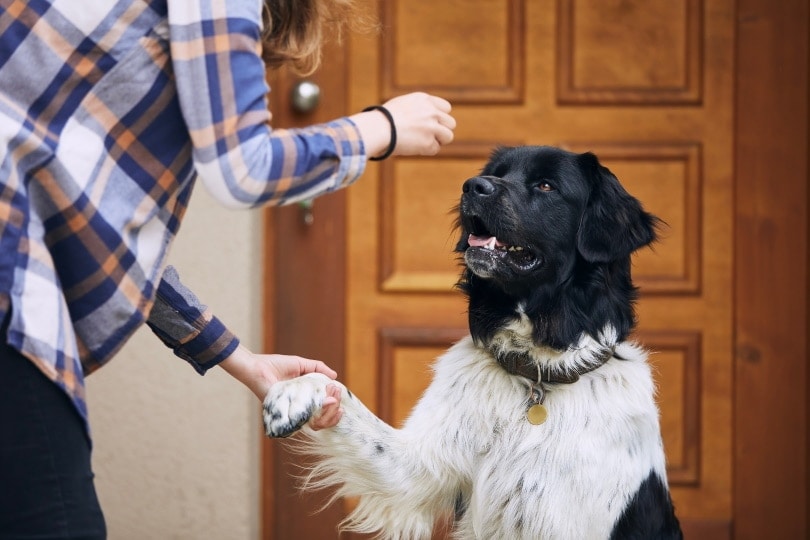
Why Is “Come” Such an Important Command for Dogs to Learn?
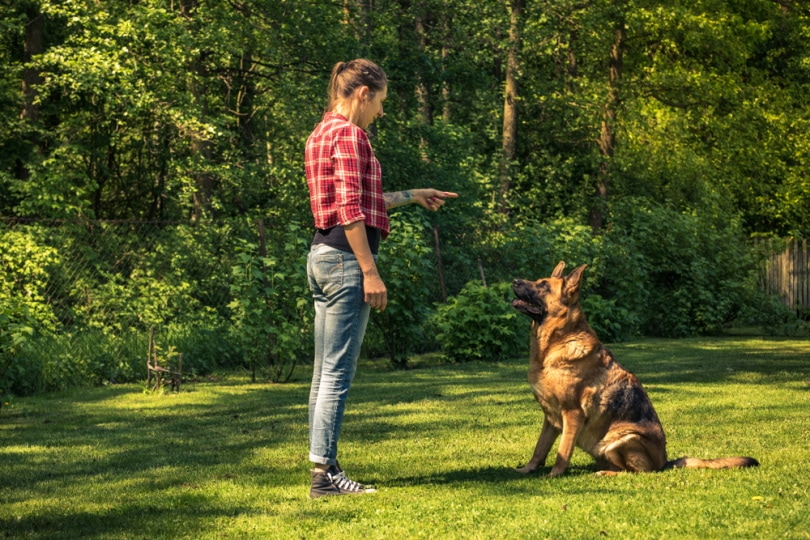
Teaching your dog to come to you is one of the most valuable things that you can do. Several scenarios come into play where this is a key factor and it's not all about obedience. There are several stressful situations that your dog could be in that require immediate response to your commands.
For instance, if the leash breaks or they escape the house or another unfortunate turn of circumstances happens that puts your dog in immediate danger, listening to your verbal commands is key. And it has to be done without any type of food motivation. Otherwise, it could be the determining factor between life or death in certain circumstances. While we don't like to get that extreme, you can see how that definitely plays a role.

Conclusion
Many dogs are Velcro dogs that won't leave your side no matter what. But it's always best to be able to keep their attention without the use of treats, especially in stressful situations. So now you know how to train your dog to come to you without using treats.
Remember to offer a toy or other incentive to make the transition smooth for you and your dog. They will be coming to you in no time.
Featured Image Credit: Nomad_Soul, Shutterstock
Get Hepper In Your Inbox


Pet care tips from our vets and experts, straight to your inbox.
You may opt-out at any time. View our Privacy Policy for more information.
Ashley Bates, a freelance writer with a passion for pets, is currently studying animal therapy. She is a mother to four children and 23 pets, both furry and feathery. Ashley actively volunteers at local shelters, advocates for animal welfare, and rescues animals in distress. Her mission is to promote awareness, education, and entertainment about pets to help prevent animal homelessness. She specializes in the care and well-being of dogs and cats.
Join the conversation
Ask a question, share your story, or send private feedback.