Hepper is reader-supported. When you buy via links on our site, we may earn an affiliate commission at no cost to you. Learn more.
Why Did My Cat Suddenly Stop Eating? 7 Vet-Reviewed Reasons


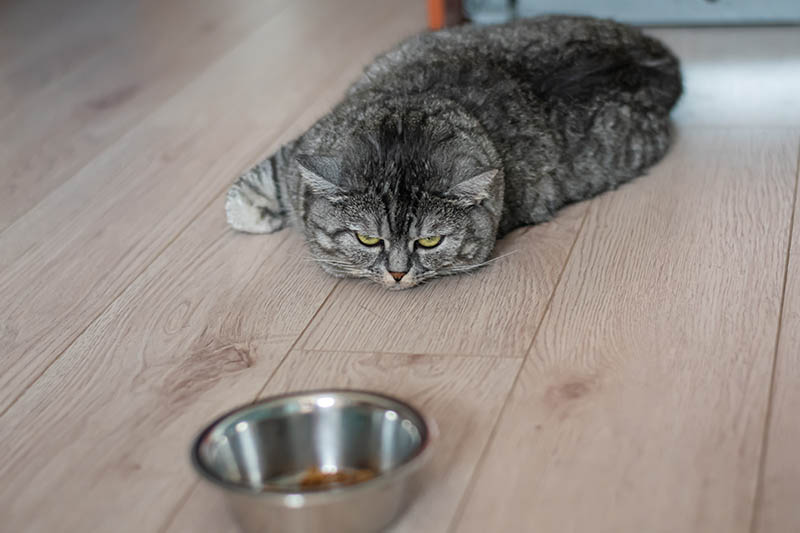
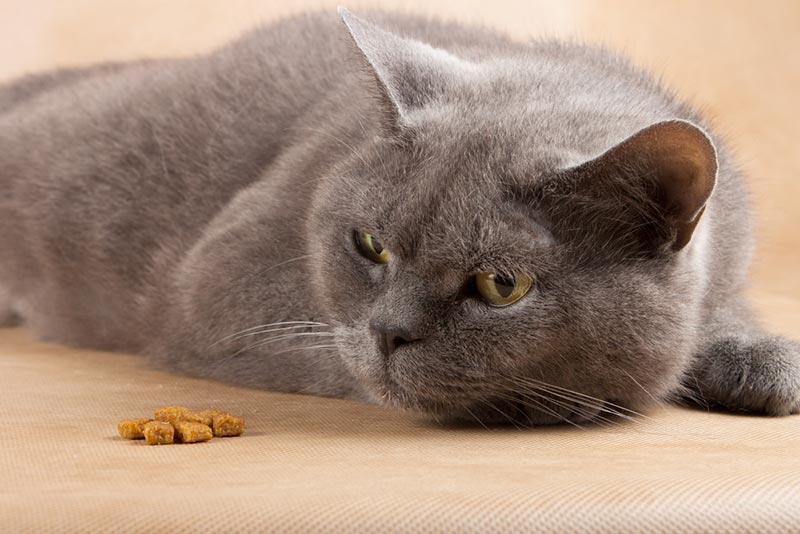
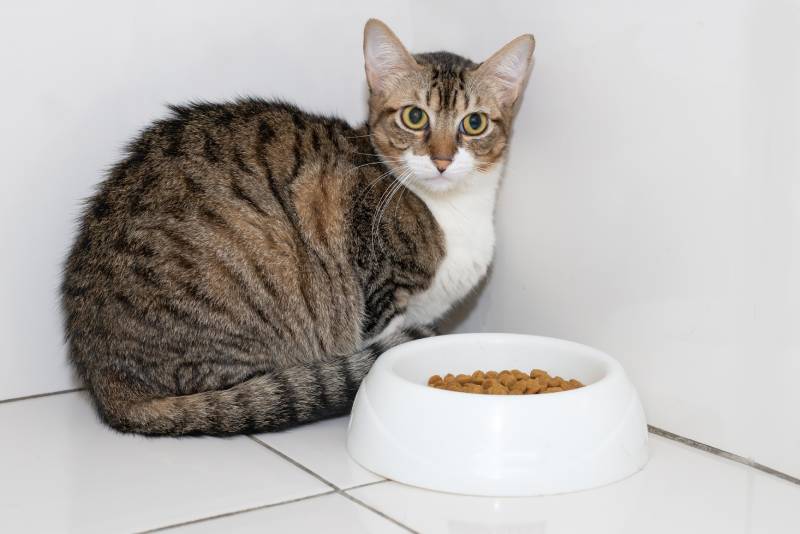
If your cat suddenly stops eating, there could be many different issues going on. However, there is almost always some underlying issue. Most cats simply won’t stop eating for no reason so you should typically get your cat checked out by a veterinarian if they suddenly refuse their food.
However, there are some less severe reasons your cat might stop eating, and these may not necessarily need veterinary attention.
Below, we’ll take a look at some of the most common reasons cats may quit eating, as well as a few rarer reasons.

The 7 Reasons Your Cat Suddenly Stopped Eating
1. Stress
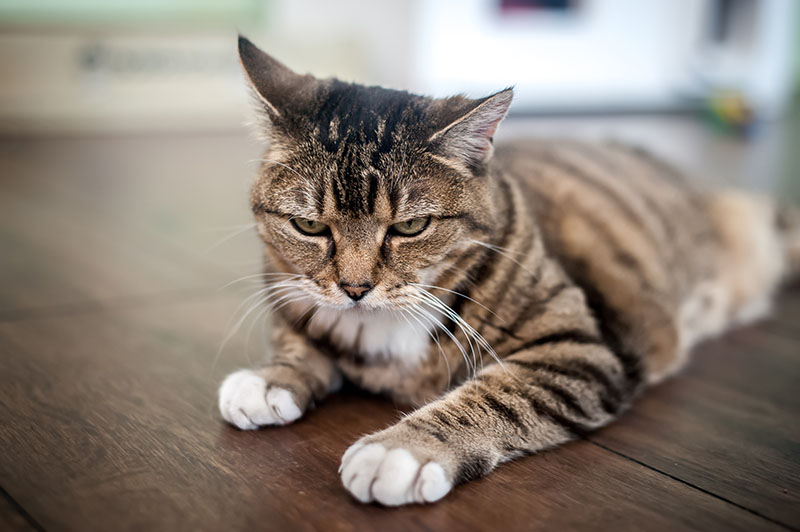
Many cats stop eating when they are stressed. Cats are susceptible to stress, and even ordinary, everyday occurrences may stress them out. For instance, a cat may simply be stressed if you change your routine by an hour or two. House guests, new residents, rearranging the furniture, moving their litter box, and other simple events can all trigger stress reactions in cats.
Of course, more significant events can also trigger stress. Bringing home a new cat is likely one of the most stressful events for a feline.
Mostly, these events are necessary and cannot be undone. Luckily, cats get used to the change after a day or two and you can often just wait it out, and it will begin eating again in a few days. However, in severe cases, you should speak with your vet about potential ways to help your cat cope with stress.
2. Vaccinations
Just like humans, cats can often feel a bit “under the weather” after a recent vaccination. Therefore, it isn’t odd for them to stop eating for a day or so afterward. This doesn’t necessarily mean they’re feeling bad, as a common side effect of vaccines is loss of appetite. In other words, they may just not be hungry.
Often, the vet will let you know if this is a possible side effect of the vaccination your cat has had. If this is the case, you shouldn’t worry too much if they don’t finish their whole bowl for a day or two.
3. Finickiness
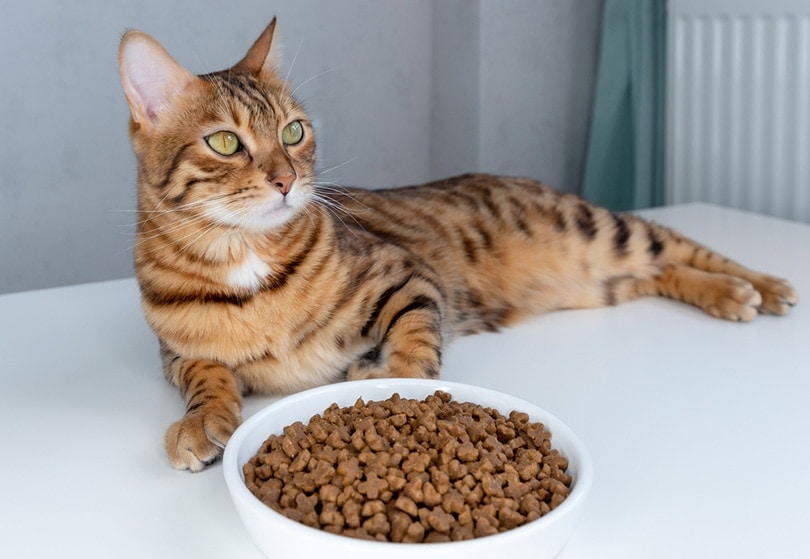
Many felines are pretty picky about their food. Even if your cat was eating their food previously, several factors might make them turn their nose up to it. For instance, if you’ve had the bag for a while, your cat’s food may have become stale or rancid. Your cat may then refuse to eat the food, though it looks exactly the same to you.
While you may save some money buying in bulk, cat food does change after opening. Therefore, we don’t recommend purchasing more than 3 weeks of food at a time, especially if your cat is picky in this way.
Many felines also become bored with the same food over and over again—just imagine if you had to eat the same thing every day. Luckily, you can typically switch out your cat’s food with different flavors by the same brand. These foods are designed similarly, so they shouldn’t upset your cat’s stomach. However, they taste different, which can help with pickiness.
4. Dental Issues
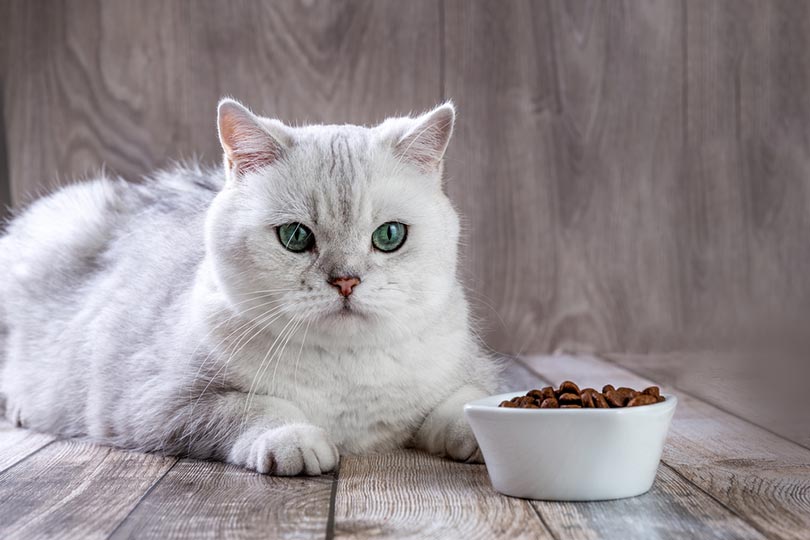
Sadly, dental issues are a widespread problem with cats. Over time, a cat’s teeth and gums can become diseased. Cats’ teeth are rarely brushed regularly like we brush our teeth and the resultant plaque, tartar and bacteria result in gum disease and eventually tooth loss. Therefore, it isn’t odd for cats to have inferior teeth later in life.
Of course, dental and gum disease does hurt. Therefore, your cat may refuse to eat their food simply because eating is painful. Often, it is difficult to identify the problem, especially if your cat won’t let you look in its mouth. So, you’ll typically need to take your cat to the vet. Look out for signs that your cat is eating on one side of the mouth, has bad breath, or is avoiding hard foods.
Any dental problems should be treated ASAP, as they can have severe effects on your cat’s health. Not only can hurt teeth cause eating issues, but they also allow bacteria to enter the bloodstream.
5. Intestinal Issues
Many intestinal issues can cause appetite problems for your feline. For instance, simple stomach viruses can make your cat’s stomach upset, which may prevent them from eating. Like humans, there is a range of viruses that can cause these symptoms in cats. Typically having a fever will reduce appetite too.
However, other, more serious intestinal problems can also occur and it's typically not in your cat’s best interest to assume that their lack of appetite is caused by a simple stomach virus. Instead, it's better to take them to the vet for assessment if they have vomiting, diarrhea, or lethargy combined with a lack of appetite.
6. Kidney Failure
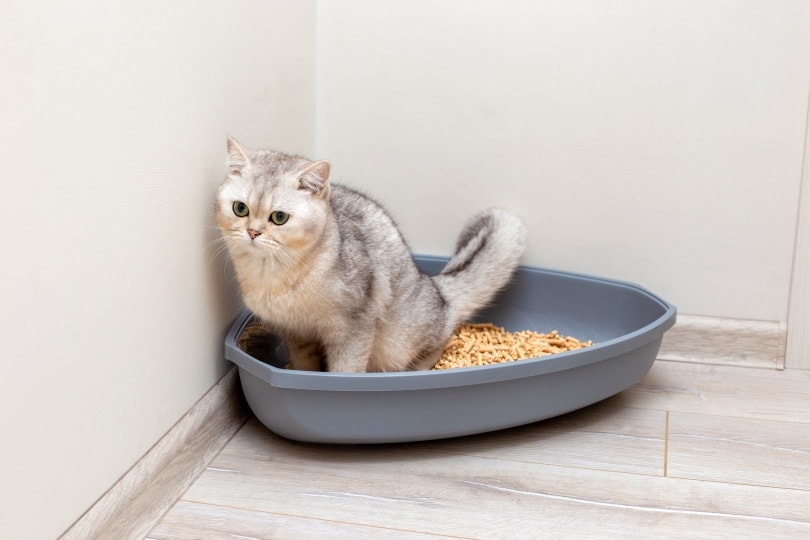
Kidney failure can be caused by all sorts of issues in cats. For instance, eating something toxic can lead to kidney failure. Some cats have underlying developmental conditions that may lead to kidney failure over time, such as polycystic kidney disease.
If left untreated, kidney failure can become very serious and lead to death. Sometimes, kidney failure is chronic. In this case, it can’t be cured, though it can often be slowed down substantially when caught early. Special diets and medications may be prescribed. Kidney disease will usually result in your cat urinating more frequently, drinking more, and having a reduced appetite and weight loss.
If there is an underlying issue, fixing this problem can reverse and cure kidney failure. For instance, if your cat has a kidney infection, curing the infection usually leads to improvement in the kidneys.
Because there are so many different causes of kidney failure, it is vital that you take your cat to the vet right away. Some of them can worsen quickly, so they must be treated promptly.
7. Pancreatitis
Pancreatitis is a painful condition in cats. However, it can be difficult to definitively diagnose. A chief symptom of this condition is loss of appetite, so many cats will quit finishing their bowl. Because this condition is painful and can be life-threatening, it requires veterinary care. Usually, the cat will require testing, fluids, and medication, depending on the severity of the condition and how other organs are affected. Symptoms include abdominal pain, loss of appetite, and possibly vomiting and diarrhea.
Cats with inflammatory bowel disease and diabetes are more likely to develop pancreatitis. If your cat has one of these conditions and develops symptoms of pancreatitis, it's essential to call your vet immediately.
Final Thoughts
Several illnesses can cause your cat to stop eating suddenly. For instance, common viruses that attack the stomach, intestinal problems, pancreatitis, and tooth pain can all lead to a decreased appetite. Anything that causes pain can make your cat quit eating as much as they did, simply because no one wants to eat when they’re in pain.
However, there are also some less scary reasons why your cat may stop eating. For instance, your feline may suddenly decide that they don’t like their food, or they may be anxious about a recent change. Usually, these issues don’t require veterinary attention (though very stressed cats may benefit from medication).
That said, it's often better to be safe when it comes to losing appetite. If you notice any other symptoms or your cat is showing no return of appetite you should contact your vet, as cats are often very good at hiding their illnesses.
Sources
Featured Image Credit: Kitirinya, Shutterstock
Get Hepper In Your Inbox


Pet care tips from our vets and experts, straight to your inbox.
You may opt-out at any time. View our Privacy Policy for more information.
Kristin is passionate about helping pet parents create a fulfilling life with their pets by informing them on the latest scientific research and helping them choose the best products for their pets. She currently resides in Tennessee with four dogs, three cats, two fish, and a lizard, though she has dreams of owning chickens one-day!
Join the conversation
Ask a question, share your story, or send private feedback.