Hepper is reader-supported. When you buy via links on our site, we may earn an affiliate commission at no cost to you. Learn more.
Tortie Point Siamese: Info, Pictures, Origin & History
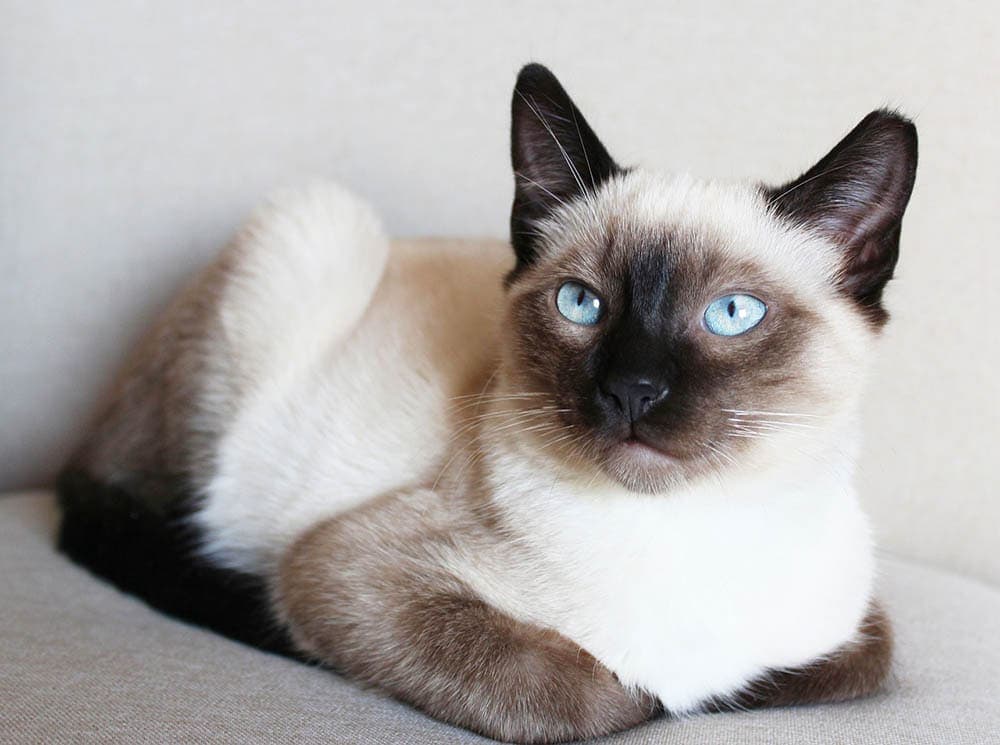
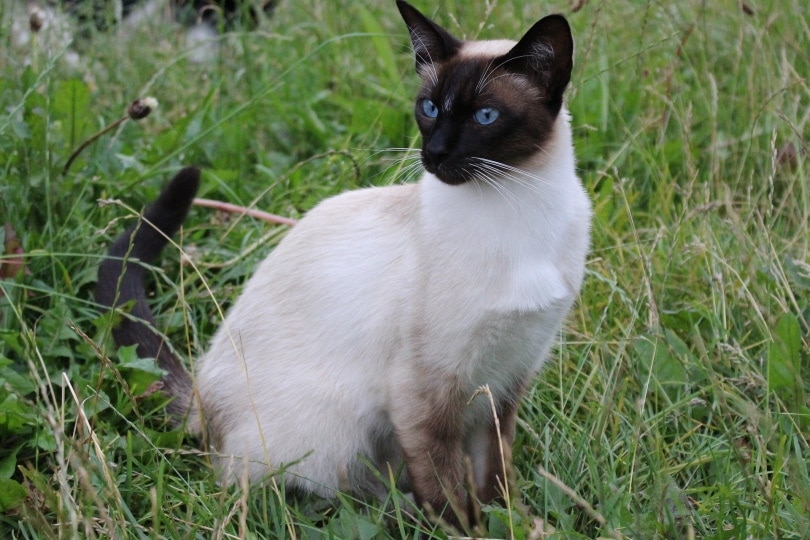
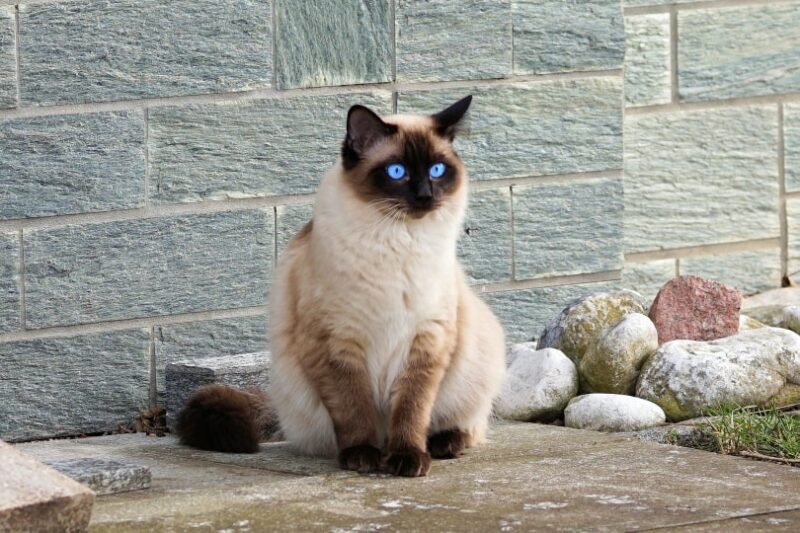
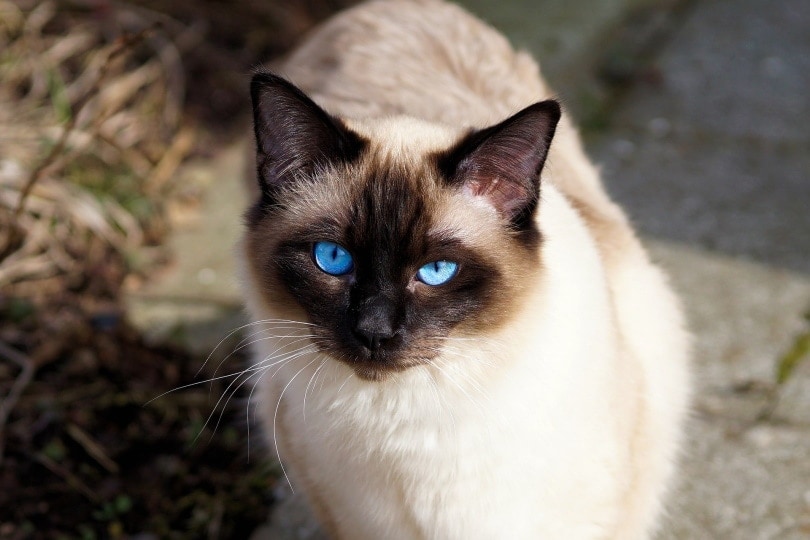
Originally labeled as the “unnatural nightmare kind of cat”, the Siamese is considered one of the most gorgeous cat breeds. Believe it or not, these stunning kitties were indeed despised when they first appeared in England in 1885. Much has changed since then; the Siamese cat is today one of the most popular cat breeds in the world. They come in many colors; you may already be familiar with the four primary colors—seal, chocolate, blue, and lilac point.
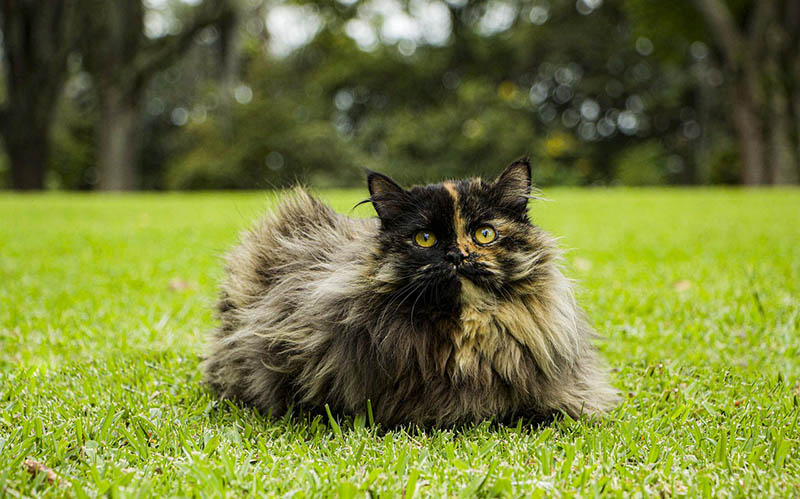
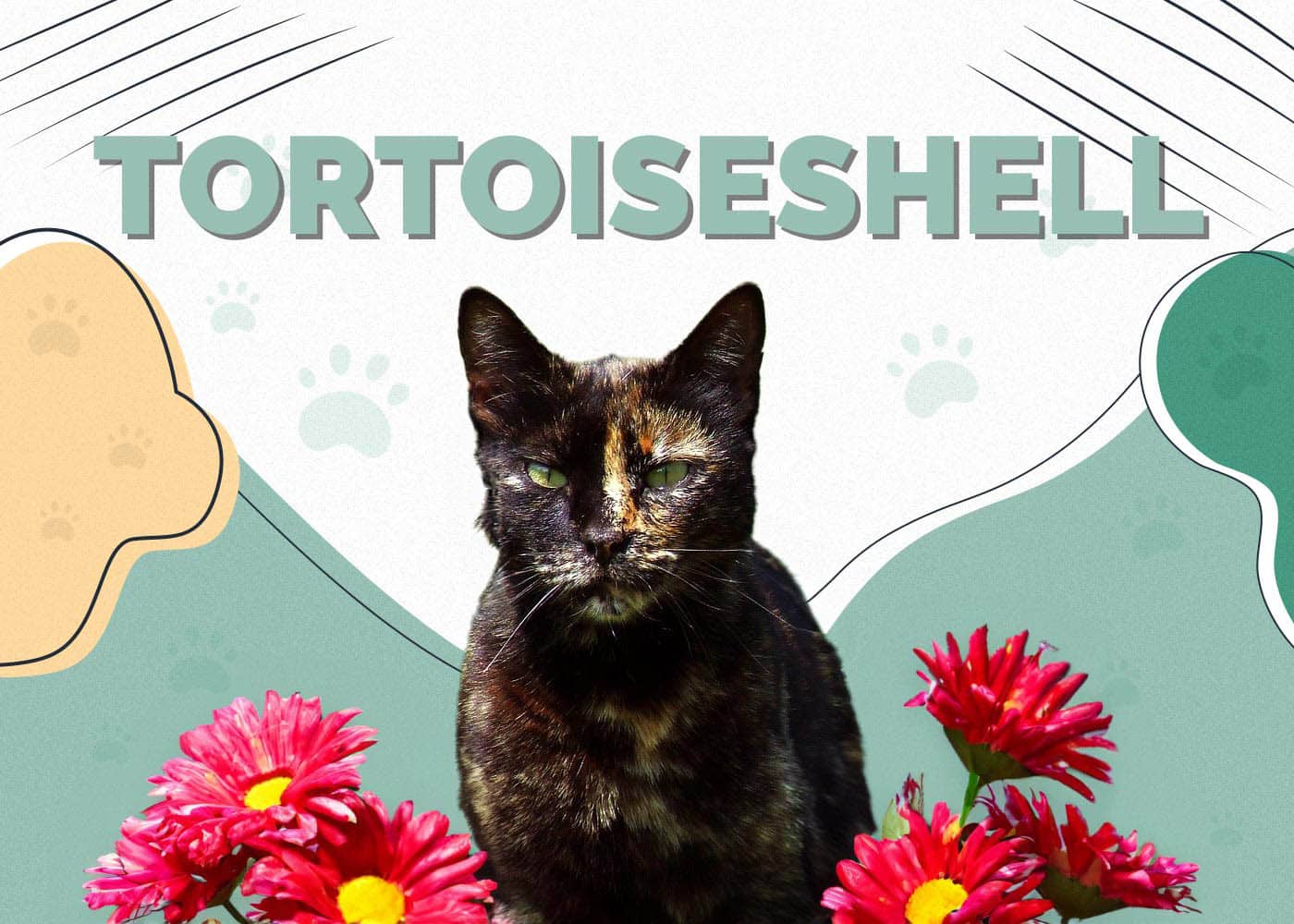
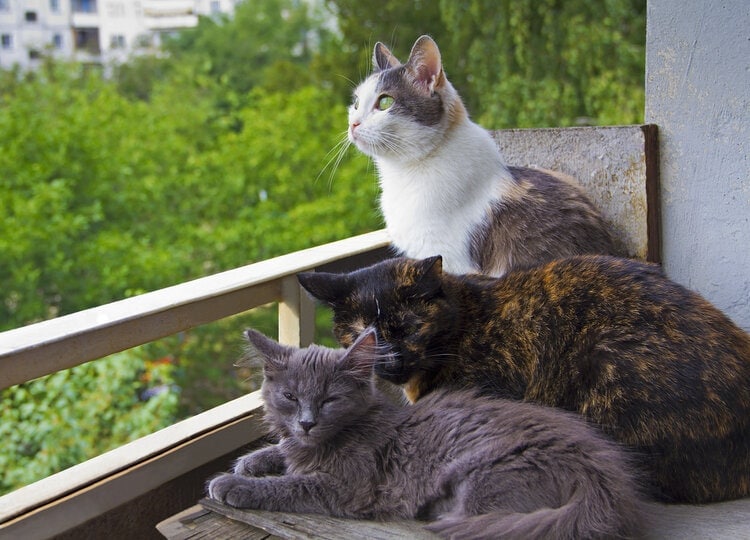
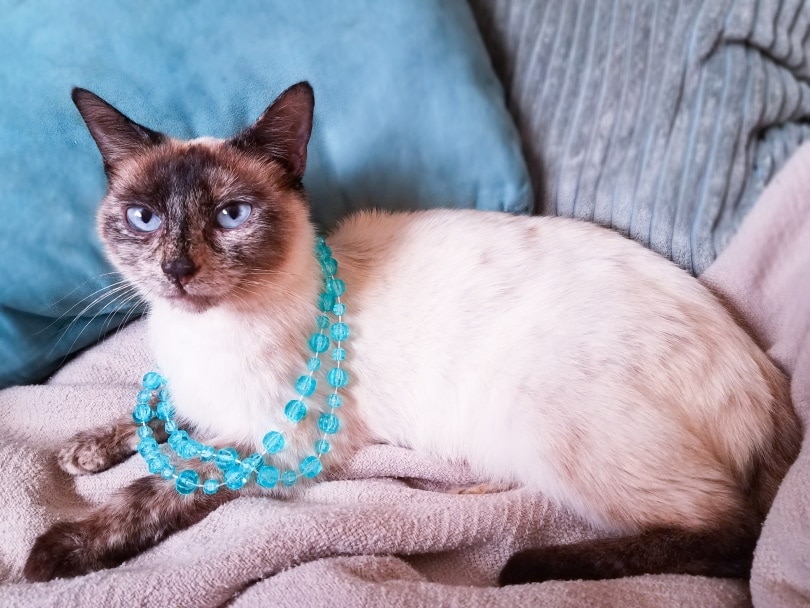
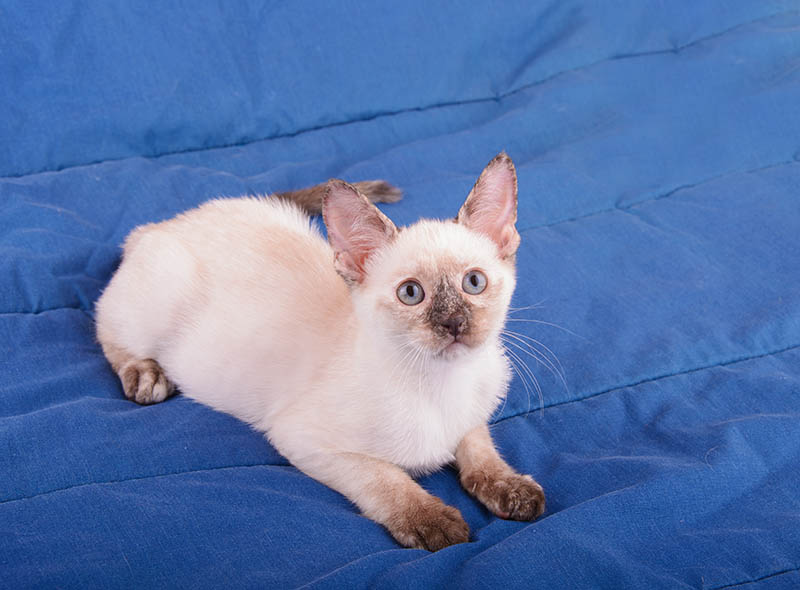
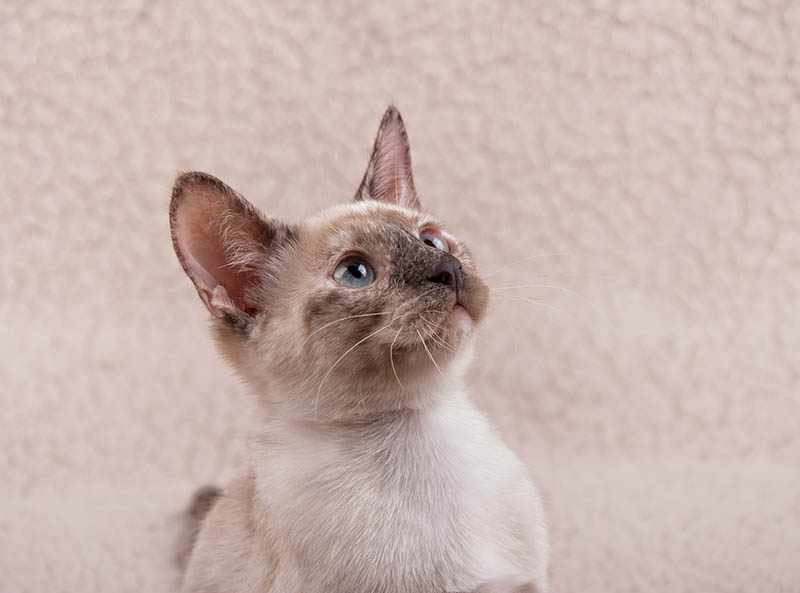
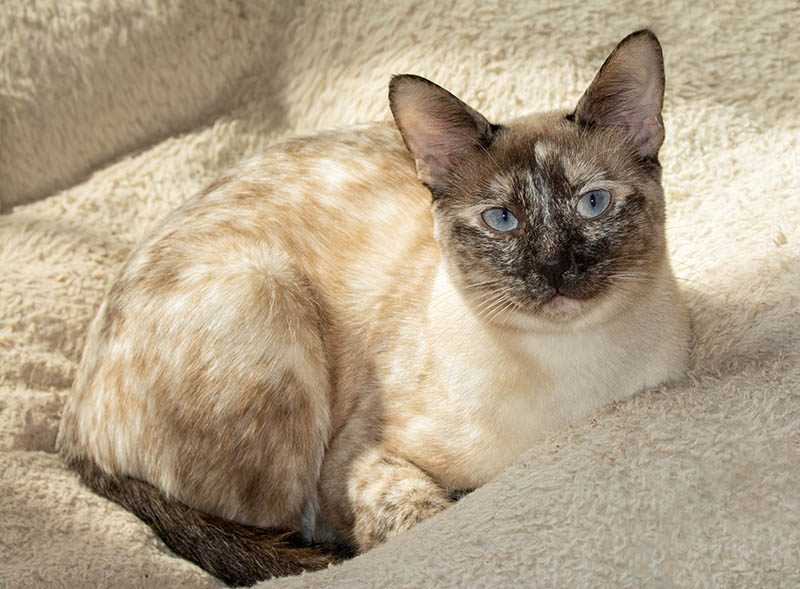
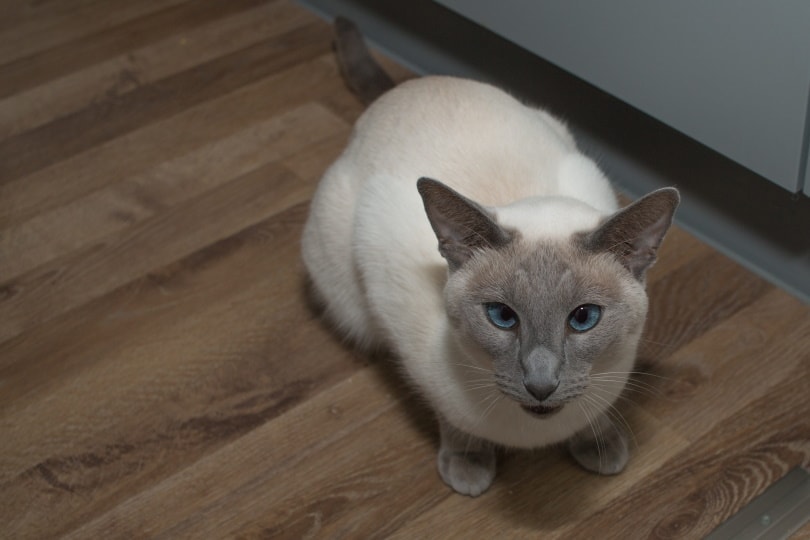
But what about the Tortie point? This variety of Siamese has a coat that closely resembles that of a tortoiseshell. They have cute, mottled faces that can have a blue, seal, or caramel color combination. If you want to learn more about their history, the origin of their color variation, and some cool, unique facts about these stylish creatures, keep reading!

The Earliest Records of Tortie Point Siamese in History
First off, let’s talk a bit about the origin of the Siamese cat: according to a manuscript discovered in Siam (now Thailand), they first appeared in 1350. So no, contrary to what many believe, Siamese cats are not from Egypt.
The rulers of Siam revered the Siamese for their beauty and the role of guardian they played; anyone who dared to capture a Siamese systematically faced the death penalty. This explains why the breed did not migrate to Europe until the beginning of the 19th century. British Consul General Owen Gould adopted two Siamese couples for the first time in Bangkok. The kittens born to this Siamese couple were presented at the first Siamese exhibition in London in 1885.
The first Siamese on American soil also came from a friend’s gift from the King of Siam. At the turn of the century, American breeders imported Siamese from the United Kingdom, France, Japan, and Siam, and they developed the breed. It was only after WWII that the popularity of the Siamese cat really started to take off. Today, the Siamese cat is the second most popular cat breed in North America.
Regarding the Tortie point Siamese, its exact origins are a little more nebulous. What we do know is that the first known Tortie point was bred in the late 1940s.
Indeed, during the 1940s, breeders tried to produce Siamese cats in different colors than the four standards. Breeders have made crosses between Abyssinian, Siamese, domestic shorthair red, and eventually with the American Shorthair. Unfortunately, these efforts were not very successful at first, and many Siamese had to be sacrificed during this process of "trial and error".
Breeding was further complicated by the difficulty of working with the red coloration, as it is a color linked to the X chromosome—that is, a sex-linked color.
How Do the Tortie Point Siamese Get Their Tortoiseshell Color?
So, how did the breeders finally achieve the tortoiseshell color of these remarkable Siamese? In a simplified explanation, Tortie point Siamese are created when a female cat carrying an orange gene and a cat that does not carry the orange gene mate:
Formal Recognition of Tortie Point Siamese
In England, Tortie point Siamese cats were not recognized until 1966. In May 1967, they were affiliated to the Governing Council of the Cat Fancy (GCCF).
In February 1971, a revised point standard for tortie points was approved: blue, chocolate, and lilac points. Subsequently, in October 1993, the Cinnamon, Caramel, and Fawny Tortie points were also recognized—the caramel torties achieved full recognition and champion status in June 2000, followed by the Cinnamon and Fawn torties in June 2004.
In the US, Tortie point Siamese are normally called “Colorpoint”. The Cat Fanciers' Association (CFA) authorized Colorpoint Shorthairs to participate in cat shows in 1969 for tortoiseshell colors. However, it is important to note that this is the only feline association in the world, along with the World Cat Federation (WCF) and the Canadian Cat Association, to recognize the Colorpoint Shorthair as a full breed. Other organizations, such as TICA (The International Cat Association), consider it a variant of the Siamese or the Oriental Shorthair, depending on the color of the cats.
While the original crosses involved American Shorthairs, breeders of Colorpoint Shorthairs now favor crosses with Abyssinians. Crossings with Siamese remained authorized until 2019.

Top Three Unique Facts About Tortie Point Siamese
1. The name Siamese comes from the Thai word ‘wichienmaat’, which means “moon diamond”.
In the modern context, Siamese actually means “of, or relating to Siam”, the former kingdom of Thailand.
2. A Tortie point Siamese will almost exclusively give birth to female kittens.
Very rarely (about one in 3,000 kittens) can a male be born, but this is due to a genetic defect: the Klinefelter syndrome. So instead of having, like all males, only one X chromosome and one Y chromosome, he gets an extra chromosome X. This gives him the famous Tortie point coat, but he will also be sterile.
3. Tortoiseshell cats get a bad rap.
We tend to label them "cat divas" because they are supposedly more independent, even aggressive. However, there is no scientific data that justifies this prejudice against these magnificent cats. So don't worry, your Tortie point Siamese will most likely be endowed with the adorable character that distinguishes the Siamese!
Will a Tortie Point Siamese Make a Good Pet?
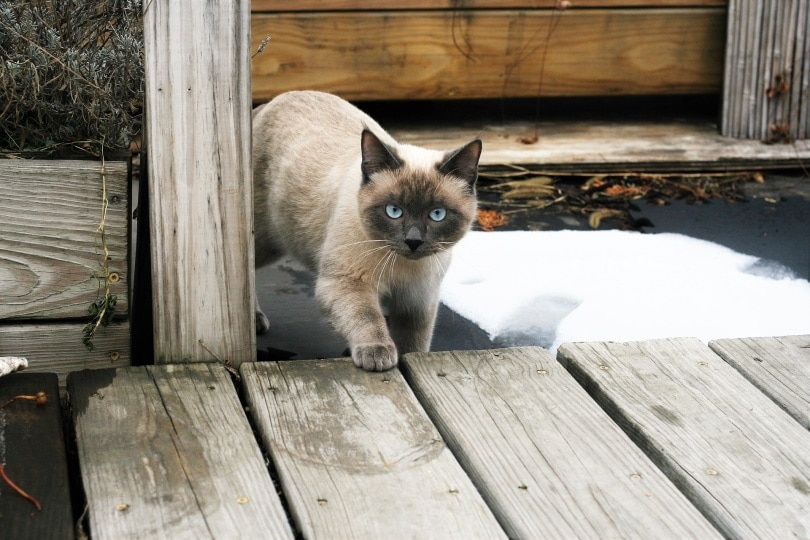
The Tortie point Siamese is endowed with the same temperament as its Siamese "ancestor". They are very vocal, affectionate, active, demanding, and playful cats.
One of the main character traits of the Siamese cat is that they are very attached to their humans. The reason: this cat develops an attachment to the human rather than to territory. Usually, they choose a person in the household and never leave it. Thus, they tend to follow their owner wherever he goes and have a long conversation with him.
Very affectionate, even invasive, the Siamese cat cannot stand loneliness and demands boundless devotion from their owner. If they are left alone too often or for too long periods, they will be miserable.
Like a dog, the Siamese will defend their owner if they feel the latter attacked by attacking the alleged aggressor. Although loyal and devoted to its owner, the Siamese cat is possessive and will quickly become jealous if they cohabit with another animal.
They are also brilliant cats. With training, their owner can even teach them to walk on a leash and do all kinds of tricks.
Final Thoughts
In short, the Tortie point Siamese is a striking kitty, full of energy and playful. Thanks to their outstanding agility, they will not hesitate to run and jump everywhere to reach their imaginary prey. To keep them entertained, you should leave them toys all over the house. It is also advisable to give them a firm and fair education so that they can learn to respect your rules.
Featured Image Credit: Kitti_Kween, Shutterstock
Get Hepper In Your Inbox


Pet care tips from our vets and experts, straight to your inbox.
You may opt-out at any time. View our Privacy Policy for more information.

Genevieve, a biologist and science writer, who harbors a profound affection for capuchin monkeys, pumas, and kangaroos. This passion has led her to travel extensively, volunteering and working at wildlife rehabilitation centers in Bolivia, Guatemala, Canada, and Australia. Now residing in Argentina as a Canadian expat, Genevieve enjoys the view of horses and cows greeting her from the vast plains outside her home office window. She proudly cares for three rescued dogs—Lemmy, Nala, and Pochi—and a playful kitten named Furiosa. Sharing her extensive knowledge and love for animals brings her immense joy and fulfillment.
Join the conversation
Ask a question, share your story, or send private feedback.