Hepper is reader-supported. When you buy via links on our site, we may earn an affiliate commission at no cost to you. Learn more.
8 Turkish Van Cat Health Problems: Vet-Reviewed Prevention & Treatment

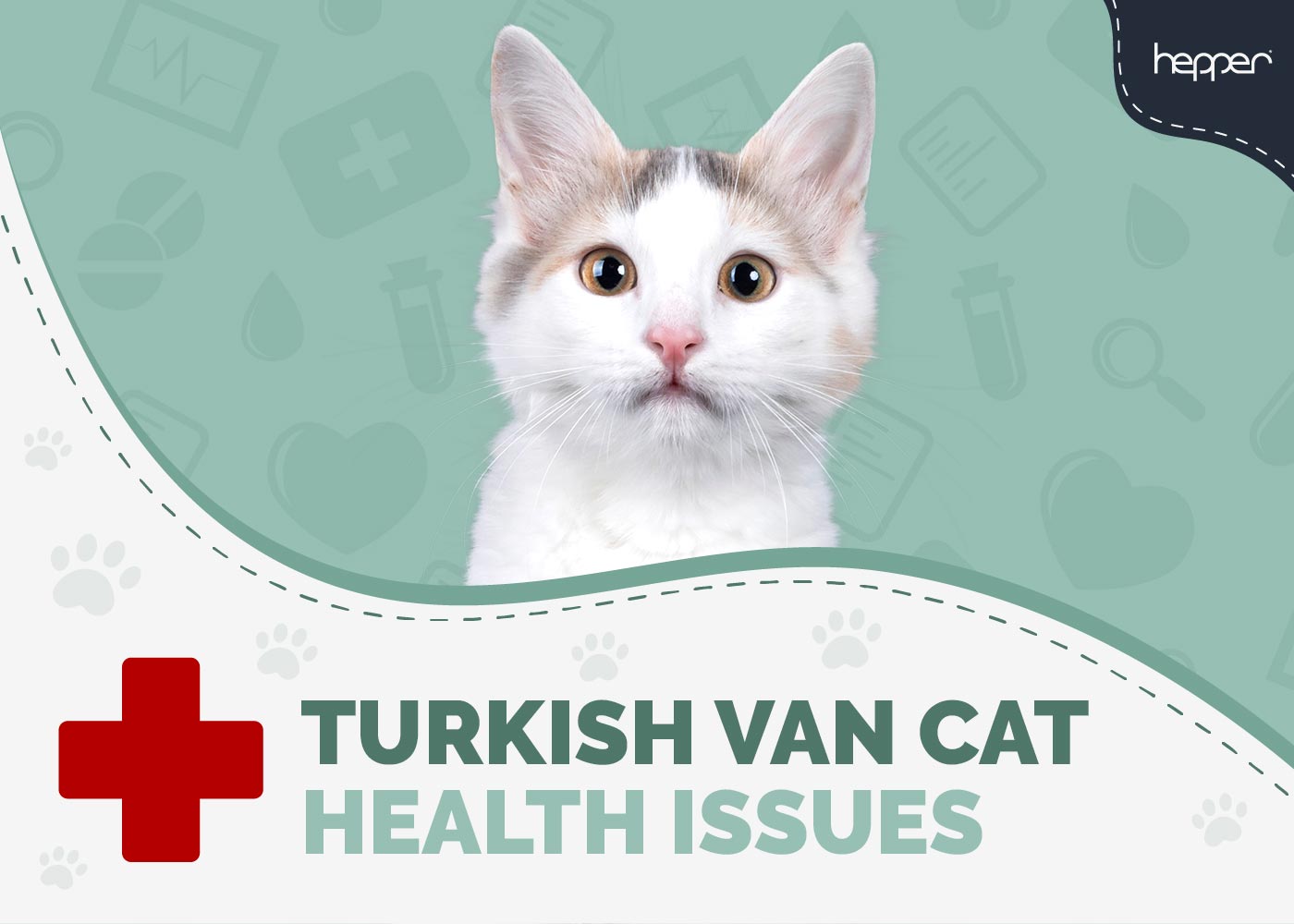
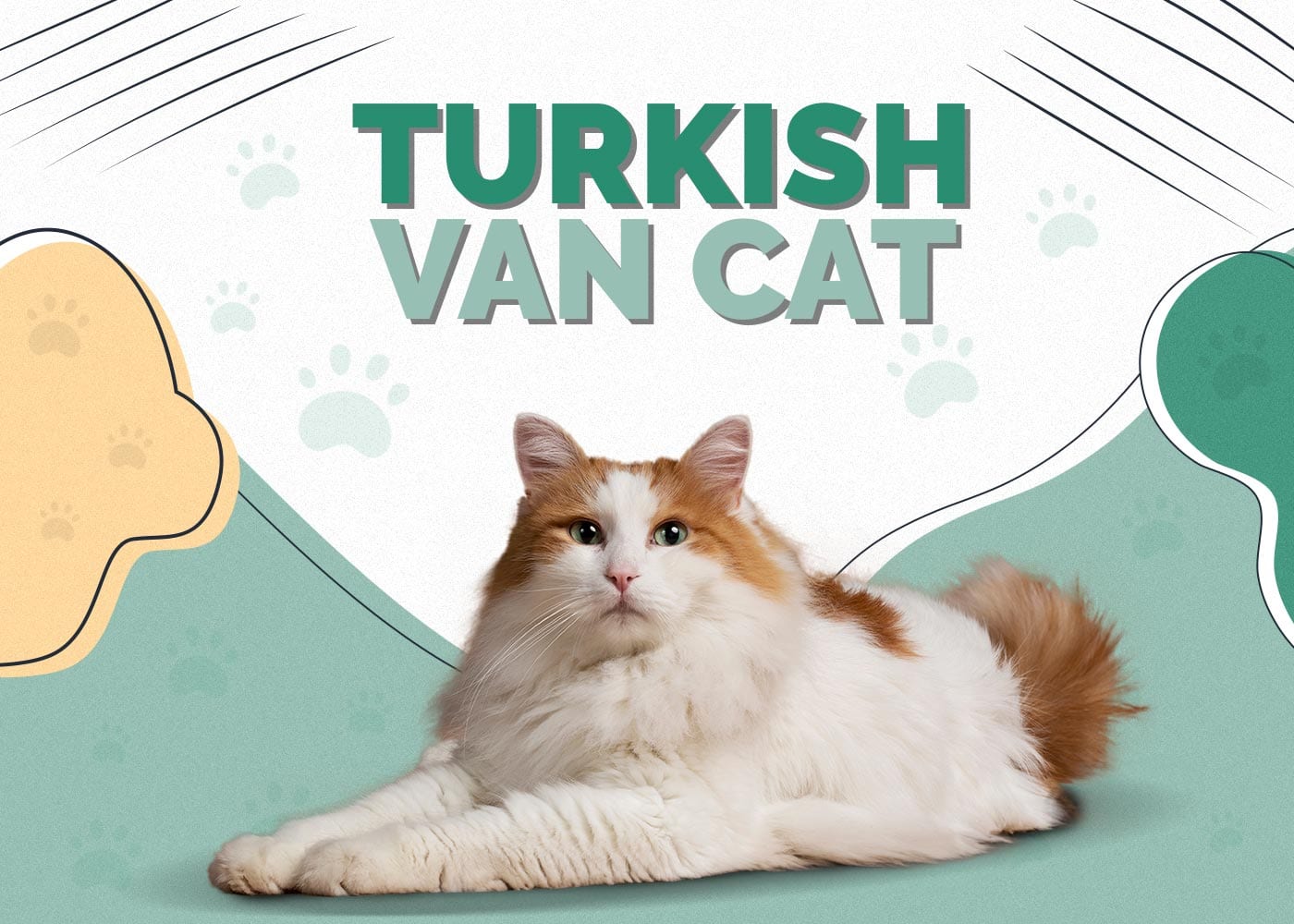
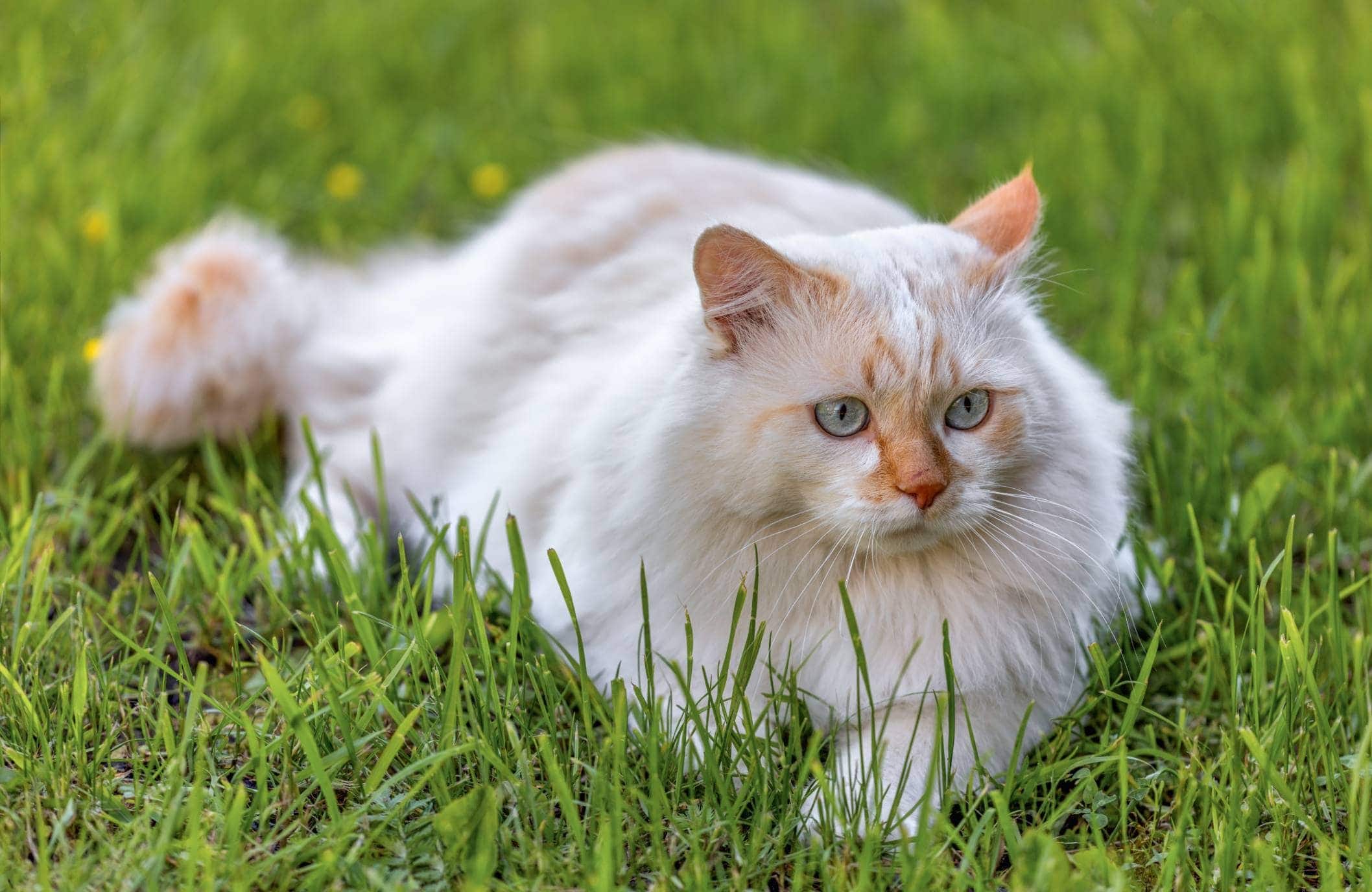
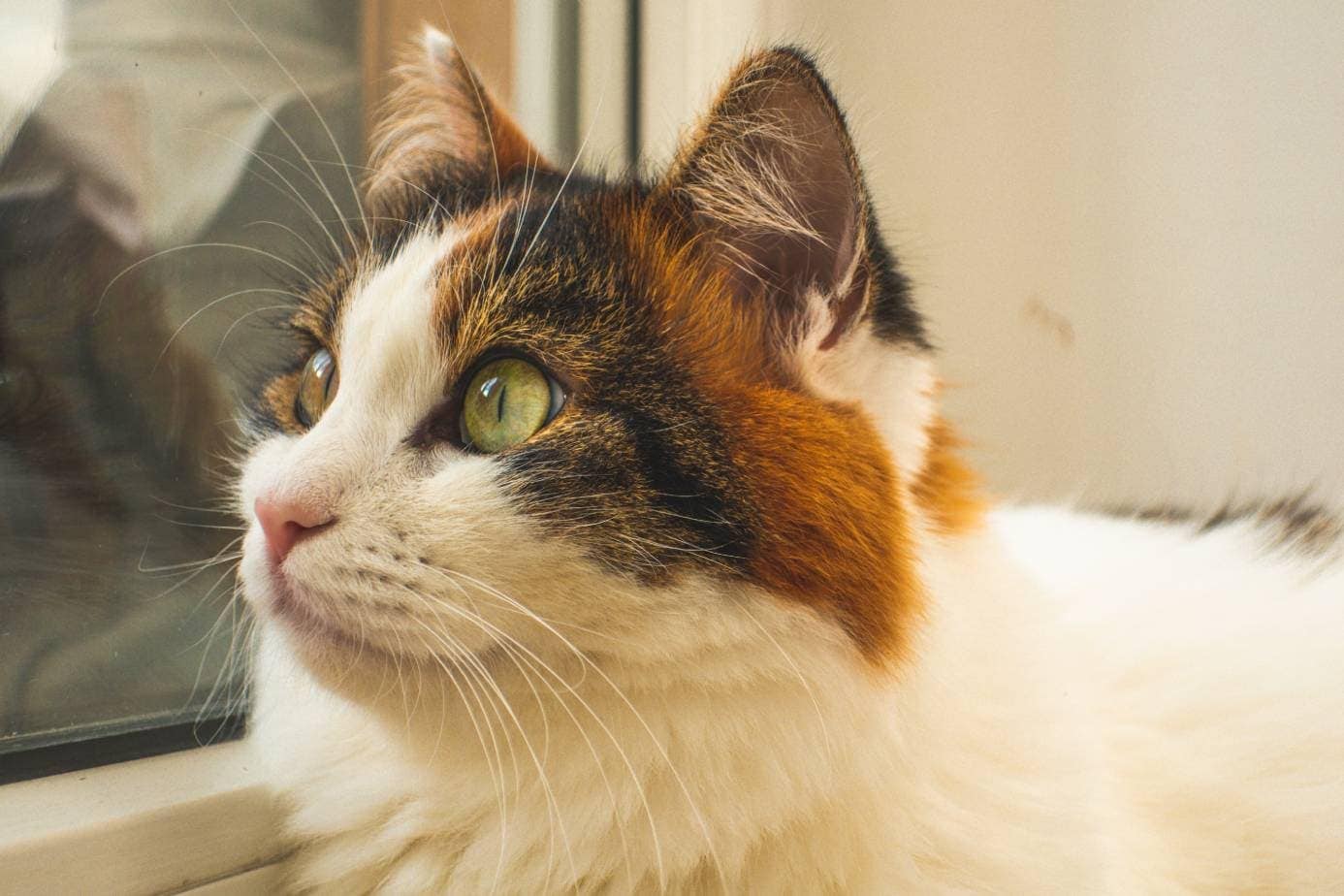
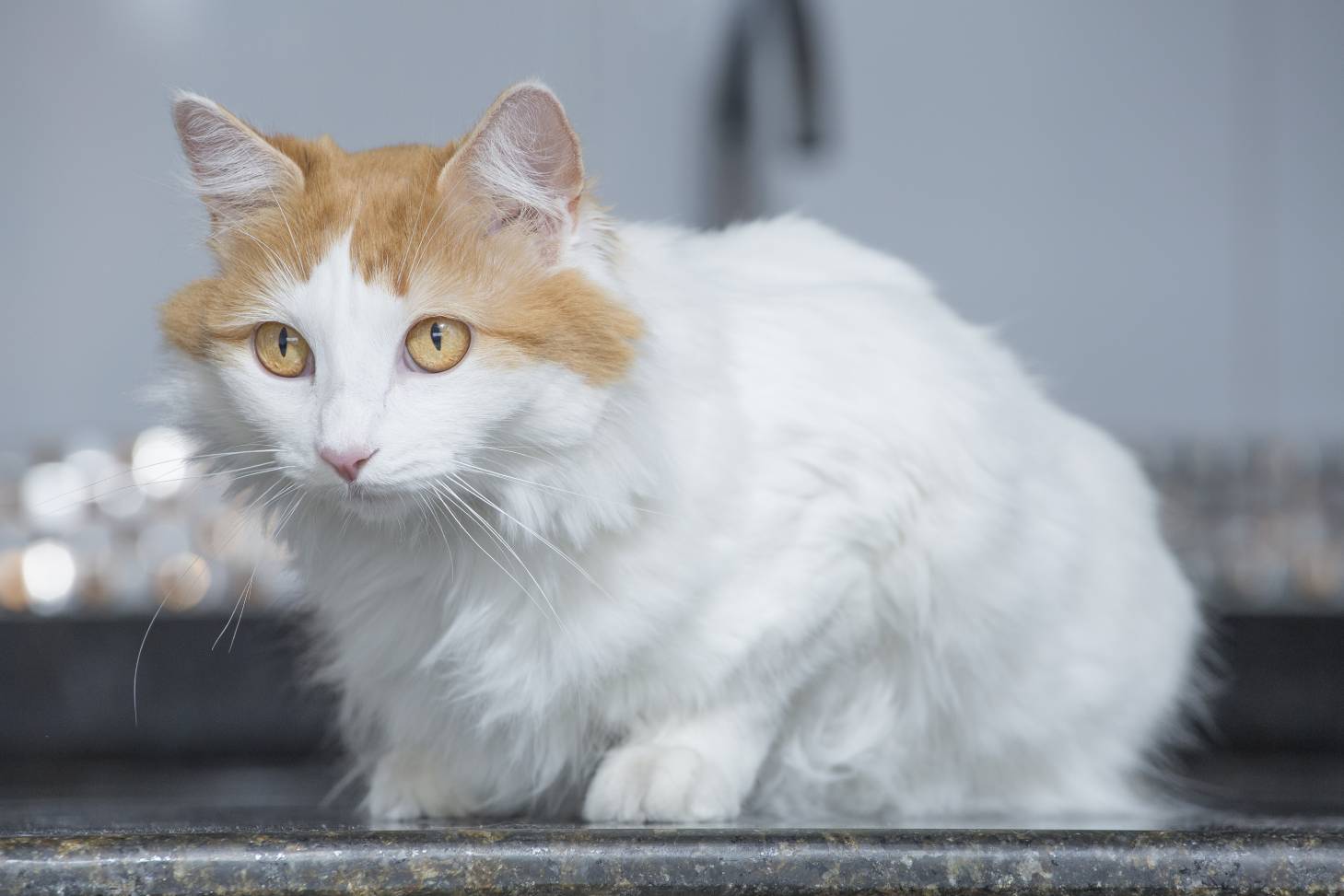
Popular due to their unique coloring, the Turkish Van is considered a national treasure in Turkey. Since they were introduced to the U.S.A. in the 1970s, the Turkish Van has steadily grown in popularity due to their affectionate and intelligent nature. They’re also a relatively healthy breed, whether they’re crossbred or pedigree.
Despite their overall good health, though, the Turkish Van is susceptible to a few genetic and non-inherited health issues. That said, it doesn’t mean your cat will suffer from them for certain.

The 8 Common Health Issues of Turkish Van Cats
1. Bacterial and Viral Infections
Cats might not be able to catch colds from us, but they’re not immune to colds or other bacterial and viral infections. One of the most common is the feline upper respiratory infection. The symptoms are easy to spot and incredibly similar to the common cold for us, with sneezing, nasal congestion, conjunctivitis, and nose or eye discharge.
Most of the time, these cat colds pass on their own—usually between 7 and 10 days, though they can last longer—and don’t require a visit to your veterinarian. They can’t infect humans, but you should keep the infected cat away from other cats in the house.
While most cases can be treated at home, there are occasions when the infection needs to be treated by a veterinarian. If your cat isn’t eating or is showing more serious symptoms, contacting your veterinarian is the best choice.
2. Cancer
When it comes to cats and their ability to hide their ill health, it can be difficult to figure out when they’re suffering from more serious illnesses. Cats might not be as susceptible to cancer as dogs, but they tend to hide it so well that it’s often more serious when it is finally diagnosed.
The symptoms depend on the type of cancer that your cat has. Any sudden changes in behavior, refusal to eat, sudden weight loss, unkempt coat, and lethargy should all be discussed with your veterinarian. While all these symptoms can be signs of minor illnesses that will pass on their own, they can occasionally be signs of more severe issues.
3. Congenital Vertebral Malformations
Congenital vertebral malformations are caused when the spine doesn’t form properly during the kitten’s fetal development. While this deformity is most commonly seen in cats that are bred to not have a tail, it can also be seen in Turkish Van kittens.
Cats that suffer from this disorder can suffer from incontinence or constipation or walk with a hopping gait. It’s unfortunately untreatable, but many cats can live relatively normal lives with the disorder. Getting X-rays when your cat is a kitten can help identify any potential problems that can be caused by this issue.
4. Diabetes Mellitus
Your cat can be affected by one of three types of diabetes mellitus. The rarest is Type I, which is caused by the destruction of your cat’s beta-cells. Type II, where your cat’s insulin production is too low, is the most common and frequently caused by obesity. Finally, Type III can be caused by hormones from pregnancy or tumors.
While your Turkish Van might be susceptible to all these types of diabetes, their risk of obesity makes them far more likely to develop Type II diabetes than the others. Cats with diabetes can live long and healthy lives provided that the condition is treated properly.
5. Dental Disease
Unlike dogs, which often get their teeth brushed, cats tend to be left to handle their dental hygiene on their own. If their teeth aren’t cared for properly, cats can suffer from gingivitis, periodontitis, and tooth resorption.
All these issues can range in severity but are usually relatively easy to prevent by making sure your cat’s teeth are looked after. Regular brushing is the best option—just remember to start when your cat is young and keep up with the routine regularly so your cat is used to the activity. You can also use treats that are designed to help prevent the build-up of plaque on your cat’s teeth, though these aren’t as effective as a toothbrush.
Gingivitis can be caused by underlying health issues. To properly treat it, you’ll need a veterinarian to diagnose and treat the cause first.
6. Hypertrophic Cardiomyopathy
Although it’s more common in breeds like the Maine Coon and the Ragdoll, the Turkish Van can suffer from hypertrophic cardiomyopathy (HCM). Compared to other types of heart disease, HCM is most commonly diagnosed in cats. It’s caused by the walls of the heart thickening and interfering with how the heart works.
Most cats don’t show any signs of heart disease, but it can result in rapid or labored breathing and lethargy. The condition requires an echocardiogram to diagnose correctly and can result in congestive heart failure if not treated properly.
7. Obesity
Despite their affectionate natures, the Turkish Van isn’t a lap cat. They’re an energetic breed that often refuses to sit still, which can make obesity seem like a low risk. However, they’re also a breed that develops strong attachments to their human family members, and they are often best suited as house cats. Due to this and the minimal activity that they can get up to while indoors, it’s easy to overfeed them with treats or their food.
You can help prevent obesity by carefully adjusting their diet based on their activity levels. Making sure your Turkish Van has plenty of activities to engage in will not only keep their minds active and stop them from getting bored, but it’ll also help them burn off unneeded calories. While they might not be lap cats, they’ll benefit from any time that you can spend playing with them.
8. Parasites
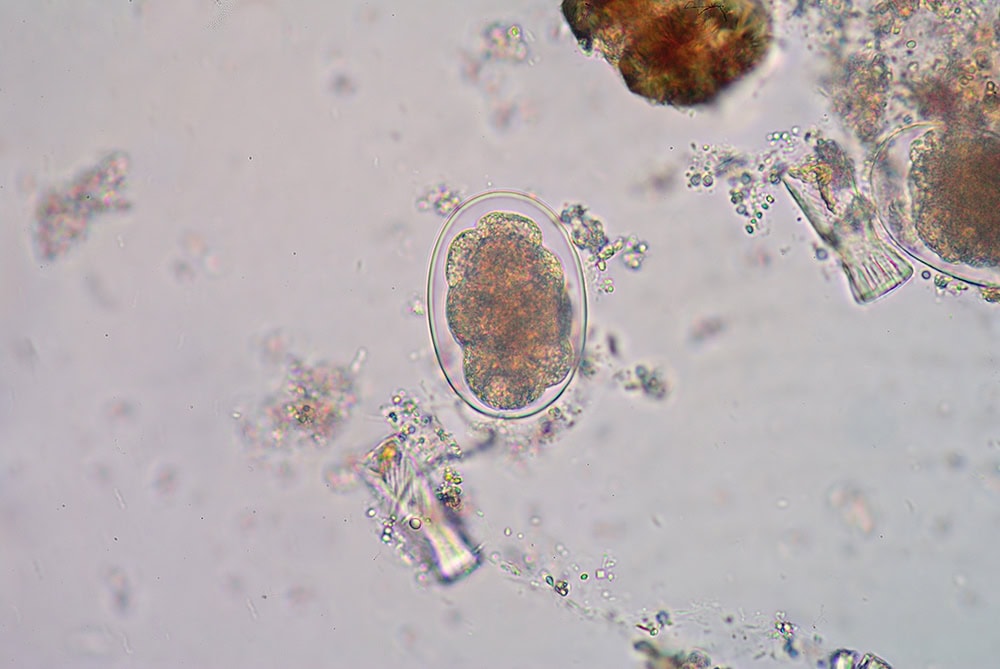
No matter what breed of cat you’re interested in, parasites are among the most common issues that can affect your cat. Gastrointestinal parasites like hookworms, roundworms, and tapeworms are a few of the most common. Hookworms, in particular, can also result in anemia, loose stools, lack of appetite, weight loss, and weakness.
While these infections don’t necessarily result in serious complications, they can infect humans too, especially children. Washing your hands after petting your cat or cleaning the litter tray is one of the best ways to prevent infection.
You can often see signs of infection in your cat’s poop or vomit. Your veterinarian will be able to prescribe medication to effectively handle the infection.
Final Thoughts
In general, the Turkish Van is a healthy breed with few genetic conditions. But it’s always a good idea to be prepared, and you should make sure the breeder whom you choose keeps a record of all health checks for their kittens and the parents. Ensuring that your new kitten is free from genetic illnesses and knowing which non-inheritable diseases can affect them will help you keep them safe and healthy throughout their life.
Featured Image Credit: Vadim Petrakov, Shutterstock
Get Hepper In Your Inbox


Pet care tips from our vets and experts, straight to your inbox.
You may opt-out at any time. View our Privacy Policy for more information.
Nicole is a lover of animals of all sizes but is especially fascinated with the feline variety. She’s the proud mom of Baby, a Burmese, and works every day so he can relax in the sunshine or by the fire. She’s always had a cat in her home and has spent countless days with others, observing behaviors and softening up even the grouchiest of the lot. Nicole wants to share her kitty expertise with you so you and your cat can live happy, healthy, and care-free.
Join the conversation
Ask a question, share your story, or send private feedback.