Hepper is reader-supported. When you buy via links on our site, we may earn an affiliate commission at no cost to you. Learn more.
Vaginitis in Dogs: Causes, Signs & Treatment (Vet Answer)


In this article
Vaginitis is inflammation of the vagina—more precisely, of the vaginal mucous membrane. Vaginitis in dogs is not fully understood by scientists. There is usually a predisposing factor that causes urine or fecal contamination of the area.
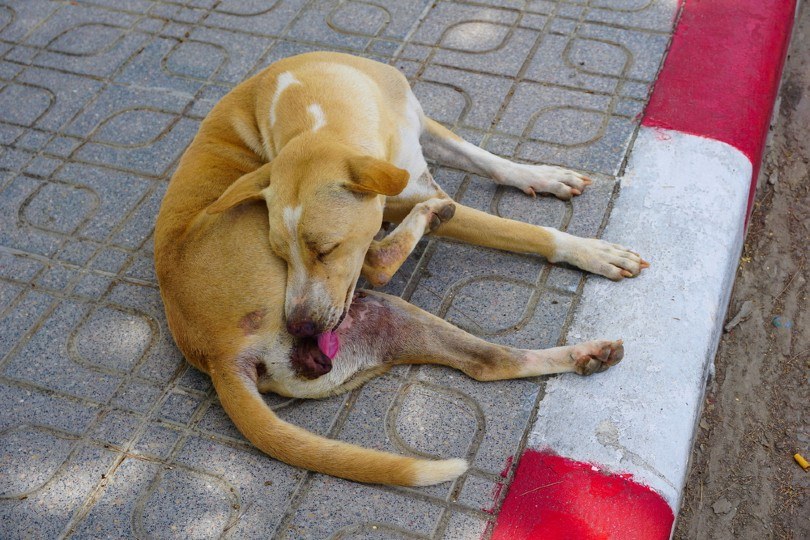
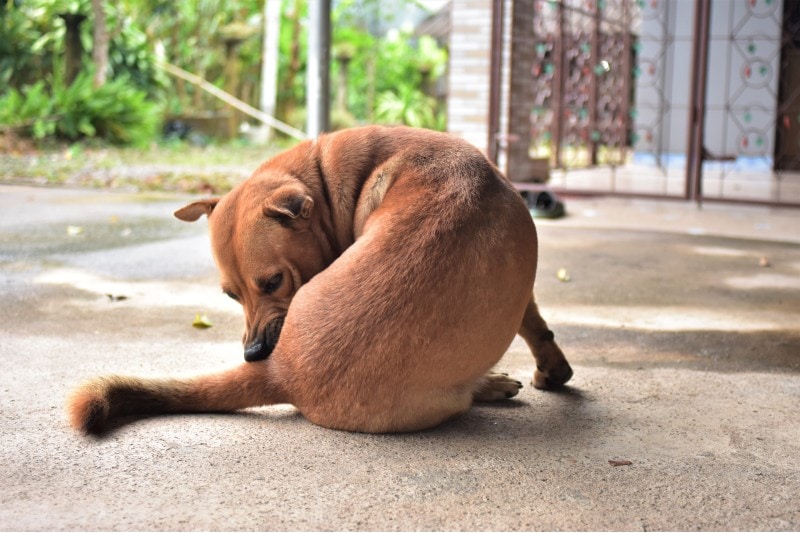
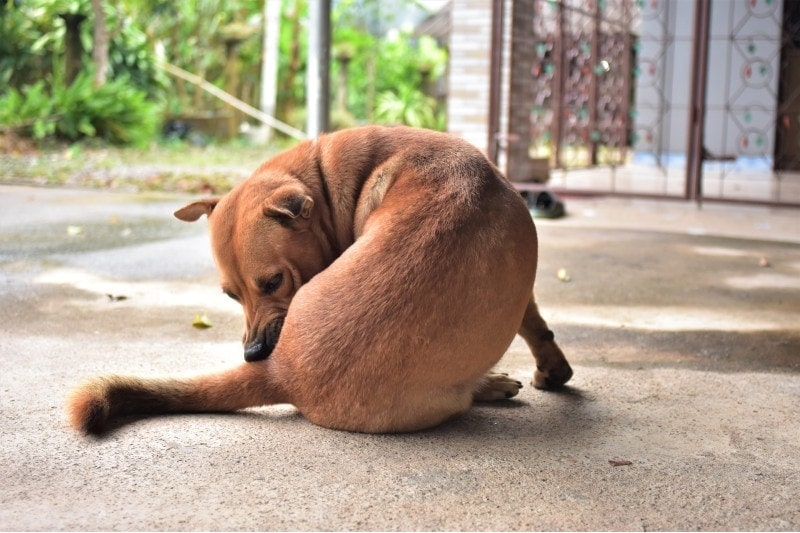
It can occur in adult female dogs and young female dogs (before first estrus), where it is called juvenile vaginitis. This condition has no age or breed predisposition; any dog breed can be affected at some point in their life. The clinical signs are represented by white to yellow vaginal secretions, with an unpleasant odor (if complications occur), increased frequency of urination, and excessive licking of the vulva to the point of irritation.
In this article, learn what vaginitis in dogs is, its clinical signs and causes, how to care for a dog with vaginitis, and more.

What Is Vaginitis in Dogs?
Vaginitis is an inflammatory condition of the vaginal mucosa, which causes the occurrence of vaginal secretions that are associated with disturbing clinical signs that can cause affected dogs to lick and chew their genitals excessively.
This condition can occur in any female, regardless of age and breed. It can also occur in intact females, though it is more common in spayed adult females. In puppies under 1 year of age, the condition typically resolves after their first heat cycle.
What Are the Signs of Vaginitis in Dogs?
Uncomplicated vaginitis (i.e., a mild form) is often discovered by the veterinarian during a routine check-up. The clinical signs may not be obvious.
Mild forms of vaginitis in dogs may include the following clinical signs:
If vaginitis becomes complicated, the following clinical signs may occur:
Dogs suffering from vaginitis usually appear healthy in that they eat and drink water normally, have the same level of activity, and are happy. So, if your dog becomes lethargic, stops eating or drinking water, or vomits, consult your veterinarian as soon as possible.
What Are the Causes of Vaginitis in Dogs?
Vaginitis in dogs has numerous causes.
The most common ones include:
How Is Vaginitis in Dogs Diagnosed?
If you suspect that your beloved four-legged friend may be suffering from vaginitis, it is best for a veterinarian to examine them. Most of the time, mild forms of vaginitis are diagnosed incidentally during routine medical check-ups.
In the case of juvenile vaginitis, the clinical signs, test results, and age of the puppy will establish the diagnosis. In adult dogs, the diagnosis of vaginitis is based on clinical signs and your dog's medical history. Additional tests can help diagnose vaginitis.
These may include:
Also, to exclude anatomical anomalies, ultrasounds, and radiographs with contrast can be recommended.
How Is Vaginitis in Dogs Treated?
In young puppies, vaginitis does not usually need medical treatment, resolving on its own after the first heat cycle. For adult dogs, vaginitis can only be treated by a veterinarian.
After diagnosing the condition, the veterinarian may recommend the following treatments:
Some dogs may groom the genital area excessively. For this reason, your veterinarian may recommend an Elizabethan collar (e-collar or pet cone) for your pet in order to prevent inflammation and subsequent infections.
How Do I Care For a Dog With Vaginitis?
Here's what you can do to take care of your dog with vaginitis and prevent this condition in the future:
- Follow the instructions and treatment recommended by the vet.
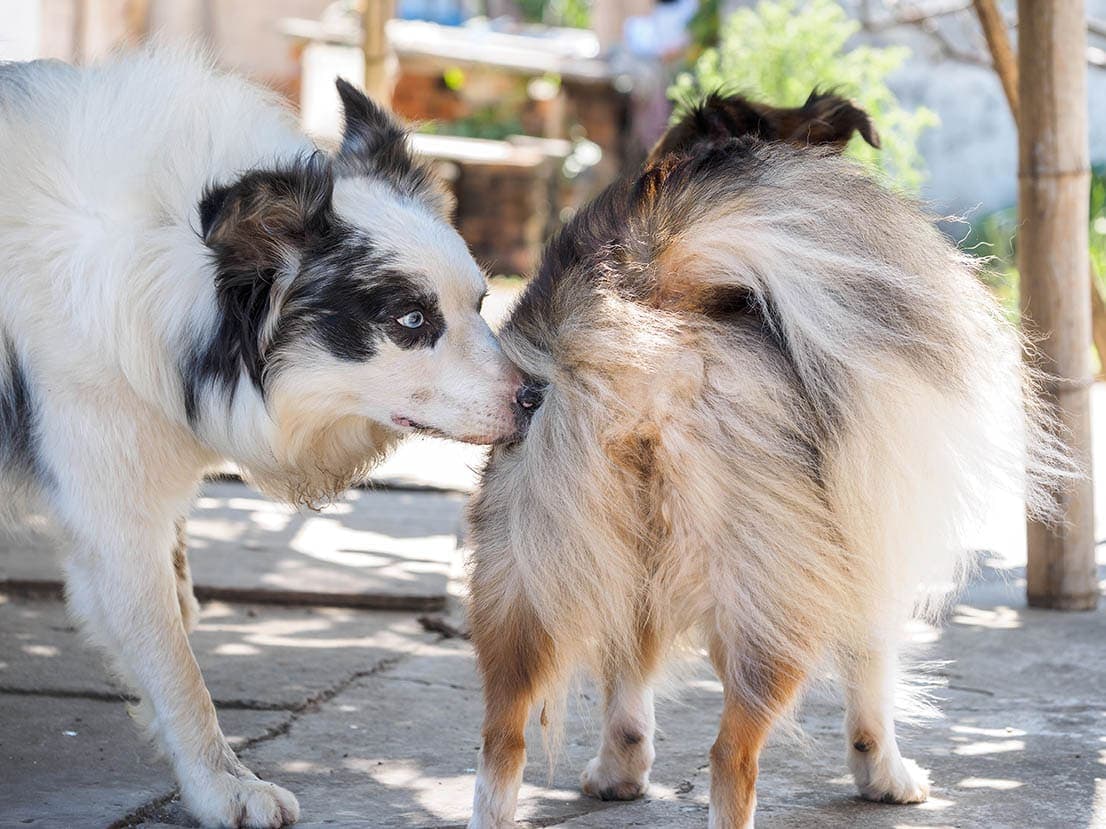
- Keep your dog away from males that are attracted to your pet to prevent complications and delay healing; some males are more attracted to females with vaginitis.
- Keep the genital area clean and dry.
- Keep your dog in proper hygiene conditions.
- Provide quality food for a strong immune system.


Frequently Asked Questions (FAQ)
Is Vaginitis in Dogs Painful?
Vaginitis can be painful, irritating, and uncomfortable for dogs. Frequent licking can worsen the situation, leading to more severe clinical signs. Contact the veterinarian if you notice swelling and irritation of the vulva, abundant secretions, or signs of discomfort.
Can a Dog With Vaginitis Be Bred?
Dogs with vaginitis may or may not be bred, depending on the cause of the condition. For example, females diagnosed with bacterial vaginitis caused by the bacterium Brucella canis should not reproduce. They can suffer from infertility or spontaneous abortion, and males can become infected by the female (the primary route of transmission of B. canis is through sexual contact). It is recommended not to breed dogs suffering from vaginitis until they heal, as the clinical signs may worsen and the recovery may be delayed.
Conclusion
Vaginitis in dogs is a fairly common condition, especially in young dogs that have not gone through their first heat cycle. In these pets, once the first heat cycle has passed, the vaginitis will resolve on its own. The causes are mostly hormonal, but predisposing factors like infections, trauma, foreign bodies, or cancer can also lead to this condition. Clinical signs include yellow-white vaginal secretions and excessive licking of the vulvar area. Vaginitis is not a life-threatening condition (unless it becomes complicated) and can successfully be treated by taking antibiotics, cleaning the vulvar area daily, and addressing the underlying cause.
Related Read: Uveitis in Dogs: Signs, Causes & Treatments (Vet Answer)
Featured Image Credit: SeventyFour, Shutterstock
Get Hepper In Your Inbox


Pet care tips from our vets and experts, straight to your inbox.
You may opt-out at any time. View our Privacy Policy for more information.
Marta has been a veterinarian for over sixteen years working across the UK and Spain and as a remote veterinary consultant. She has wide experience in small animal internal medicine and surgery with a soft spot for cats.
Her main fields of interest are ophthalmology and critical care medicine enjoying every single aspect of animal’s care, and she is a member of the Royal College of Veterinary Surgeons. Marta enjoys sharing the most helpful information with pet parents across the world about every aspect of their life with their beloved ones.
As one of our in-house veterinarians, Marta enjoys sharing the most helpful information with pet parents across the world about every aspect of their life with their beloved ones. She loves knowing that she can support our readers and communicate about any medical topic that might be relevant to your pet’s health and well-being.
Education
Marta graduated from Cardenal Herrera-CEU University in Valencia, Spain. She holds two Ophthalmology Certificates, GPCert Ophthal from ESVPS and UAB.
Experience
Marta has been a veterinarian for over sixteen years working across the UK and Spain and as a remote veterinary consultant. She has wide experience in small animal internal medicine and surgery with a soft spot for cats. Her main fields of interest are ophthalmology and critical care medicine enjoying every single aspect of animal’s care. Marta is a member of the Royal College of Veterinary Surgeons.
Join the conversation
Ask a question, share your story, or send private feedback.