Hepper is reader-supported. When you buy via links on our site, we may earn an affiliate commission at no cost to you. Learn more.
When Can Puppies Go to the Dog Park? Their First Visit (Vet Answer)

In this article
One of the hardest things to do once you get a puppy is resist the urge to take them everywhere to do everything. We want them to grow up social, confident, and adventurous, and it can be hard juggling all the new things the world has to offer.
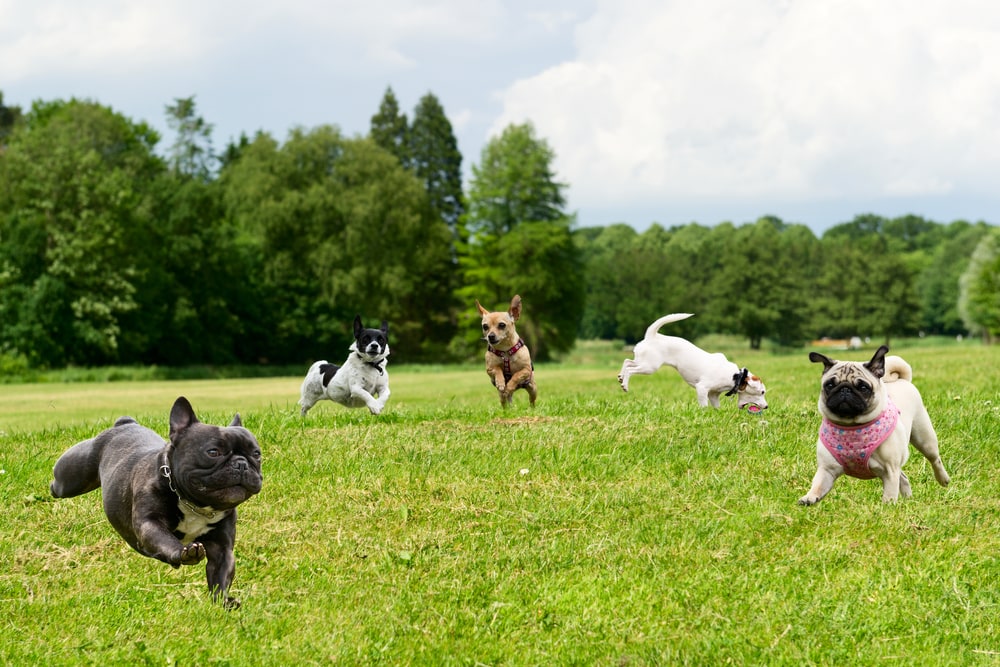
Most puppy owners are eager to start showing off their pup around the neighborhood and getting them used to other dogs at the dog park, but when exactly can that process start? Should puppies be at dog parks? The short answer could be, that puppies can go to the dog park when they are at least sixteen weeks to six months old.
It is however important to note, that there are many things to keep in mind, so here’s what you need to know.

Dog Park Concerns for Puppies
When deciding when it’s safe to take a puppy to a dog park, you want to track a few things in their life.
- First, puppies need to be up to date with and finish all their vaccines before they can go. Dog parks are also notorious places to pick up fleas, mites, and giardia, among other contagious diseases, so getting a puppy up to date on monthly internal and external parasite preventatives and giving their immune systems time to establish themselves goes a long way to not bringing home anything from the park.
- Puppies should only be allowed to run so long and so far before the age of one. It’s worth discussing exercise habits for puppies and how that pertains to large dog parks in particular.
- New puppy owners will also be worried about missing socialization windows for their puppies, so you need to know how best to handle this as well.

Puppy Vaccine Schedules
While puppy vaccine schedules can differ based on local laws at the state, county, or even city level, there are some basics to know across the board.
A puppy currently up to date on vaccines but hasn’t finished their vaccine series is NOT protected from the things in the vaccine yet. They are not ready to go out into the world until the full vaccine series for all the vaccines is complete.
Most puppies need several DAPP (distemper, infectious hepatitis, parvo, parainfluenza) vaccines, each about three to four weeks apart. They get these vaccines until they’re about sixteen weeks old, potentially all the way up until six months.
In most areas of the US, a puppy will also need their leptospirosis vaccine, a vaccine series of two they usually complete around sixteen weeks of age that protects from a life-threatening bacterial infection that can cause kidney or liver failure.
The Bordetella vaccine, or kennel cough vaccine, is also critically important for puppies heading to the dog park since this respiratory infection is highly contagious and can be airborne.
For puppies planning to be in high-volume dog areas regularly, like the dog park, it’s also best that they’re up to date on their influenza vaccine, as dangerous spread is most common in areas with lots of dogs mingling.
States will differ in their rabies vaccine policies, but most require this vaccine between eight to sixteen weeks of age, and it'll be mandatory for a puppy that wants to go to a dog park.
These vaccine schedules mean that most puppies cannot go to the dog park until after they’re sixteen weeks old, possibly as much as six months, to give them time to get all their shots. They need vaccines until this age because this is when their immune system starts taking over properly instead of relying on antibodies from their mom that helped keep them healthy when they were young.
Puppy Monthly Preventatives
Before trotting off to the dog park, your puppy needs to have started taking their internal and external parasite preventatives. This usually looks like heartworm, flea, tick, mites, and intestinal worm prevention. There are many ways to do this now, but most come in a chewy treat that is given once monthly. Of the many brands, most are safe to start giving at eight weeks old, though some aren’t safe until as late as six months.
Since there are so many types and they don’t all cover the same things, be sure to consult with your veterinarian about which products are best for your pup and your lifestyle.

Puppy Exercise Schedule
No significant running is recommended for puppies of any size under six months of age. From six months to a year, they can gradually work up to a mile-long walk, still with only minimal actual running.
This is important to know because most puppies will take very few pauses while at a dog park. Small city parks might not be too different from your yard or living room, but large sprawling parks can easily leave a puppy running for more than they should.
Early running can cause damage to a puppy’s growth plates, paw pads, and risk heat exhaustion or heat stroke, so always keep this in mind.
Puppy Socialization Schedule
The generally accepted critical age period for socialization in puppies is 3–14 weeks. Their interactions with other dogs (or lack thereof) can have lasting or even permanent effects on their personalities and behaviors in the future.
You may think it’s critical to get a puppy out to dog parks, daycare, and more during this period, but you may also realize their vaccine schedule says not to do those things until after 16 weeks. So, what gives?
The first part of this discussion is that dog parks are not actually considered socialization spaces for dogs by dog trainers and behaviorists. Behaviors are heightened, less natural, and communication is often ignored or variable, and it isn’t a safe place for puppies to be learning to socialize in.
You also have to remember that bad experiences in this period can have a lasting effect. You can’t control what dogs come to the park, and you’d be surprised how often a reactive dog comes into a dog park. Puppies are also still learning cues about boundaries and may incite a dog fight even though they didn’t mean to. If this happens, your puppy may not ever tolerate other dogs around them in the future, and they are in more danger in a fight than an adult dog being as young as they are.
Instead, puppies shouldn’t head to dog parks to socialize until at least six months of age, which lines up with their vaccine and exercise recommendations.

Should Dogs Go to Dog Parks?
With the rise of popularity and accessibility to dog parks, there’s also been an increase in discussions of whether dog parks should exist at all.
From the veterinary perspective, they’re frequent places for dog fight wounds to come from, and they’re ground zero for infectious diseases regularly too.
From the behaviorist perspective, dog parks often create dogs that are more reactive to other dogs, not less, due to too many stressful interactions. This can be from resource guarding, lack of boundaries, dogs without recall, overwhelming scanning to track so many animals, and of course, long-term consequences from fights. Dogs with no problems with other dogs, when they start going to dog parks, can develop into dogs that escalate or even fight with other dogs in as few as a few trips.
If you really want your dog to go to a dog park, it’s best to maintain some ground rules. Make sure they have strong recall training, meaning they will always come when called, in addition to a flawless "Leave it!" command. Dogs shouldn’t take toys that aren’t theirs, nor should food be introduced.
Puppies don’t belong at dog parks because they can’t learn proper socialization in this setting but also because they don’t already know boundaries. They need to learn how to respect boundaries and set their own in controlled, calm settings with dogs that they know, rather than with unknown ones at the dog park, for theirs and everyone else’s safety.
The time it takes to work on good manners and recall can often mean a puppy may not head for a dog park at all until they’re nearly a year old, but that’s okay if it helps them handle the park with confidence.

Frequently Asked Questions (FAQs)
When can a puppy go to the dog park?
The final answer is they usually need to be at least sixteen weeks to six months old but will benefit from waiting until they're about one year old in most cases.
Can my puppy get parvo from the dog park?
Yes, they absolutely can, in addition to giardia, kennel cough, and more.
Where is it safe to take an unvaccinated puppy?
Generally, you can take a puppy almost anywhere to help with their socialization in terms of acclimating them to sights, sounds, and smells if you carry them or otherwise transport them in a way so they don't touch the ground. If they don't touch the ground and they don't touch other dogs, then they can safely get used to lots of new things while waiting to finish their vaccine series. They can even start to see other dogs from a distance to help with reactivity, which can really help with calm doggy introductions in the future.

Conclusion
While dog parks can seem like a great adventure for a puppy, it turns out they're not actually a great space for the little guys. At a minimum, they need to be about six months old, all things considered, to start going, but waiting until they're a year may be even better when it allows time for more training beforehand. If you want to know if your puppy is ready to head to the dog park, check in with your veterinarian to make sure they've gotten all the relevant vaccines and parasite preventatives so you can proceed with confidence.
Sources
Featured Image Credit: Greatphotographyagain, Shutterstock
Get Hepper In Your Inbox


Pet care tips from our vets and experts, straight to your inbox.
You may opt-out at any time. View our Privacy Policy for more information.
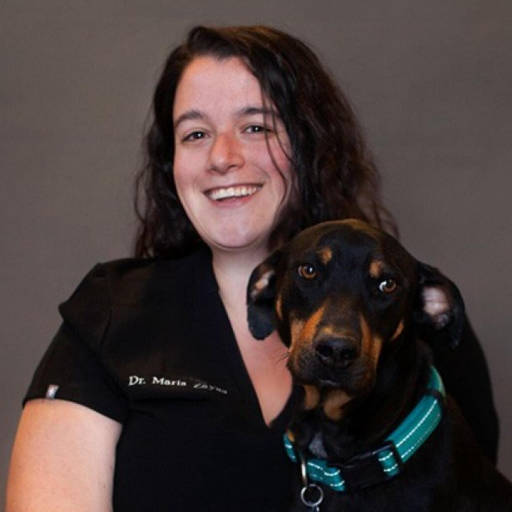
Dr. Zayas has a passion for sharing her extensive knowledge base with everyone she can. She lives in Colorado with her dogs, cat, and fish and has traveled all over the world with them. Her various life and work experiences have allowed her to focus on not only clinical practice, but also providing informative, accurate answers to almost any question her clients and readers can ask of her.
Education
Dr. Zayas received her Bachelor’s degree from Bryn Mawr College and her Doctor of Veterinary Medicine degree from Ross University School of Veterinary Medicine.
Experience
Dr. Zayas owns a house call small animal and exotics veterinary practice. She has special interests in allergies, pain management, end of life/hospice care, and finding unique solutions tailored to her patients’ and families’ individual needs. She has worked in shelter medicine, home health, and everything in between.
Join the conversation
Ask a question, share your story, or send private feedback.