Hepper is reader-supported. When you buy via links on our site, we may earn an affiliate commission at no cost to you. Learn more.
Why Do Cats Have Rough Tongues? Vet-Verified Facts & FAQ


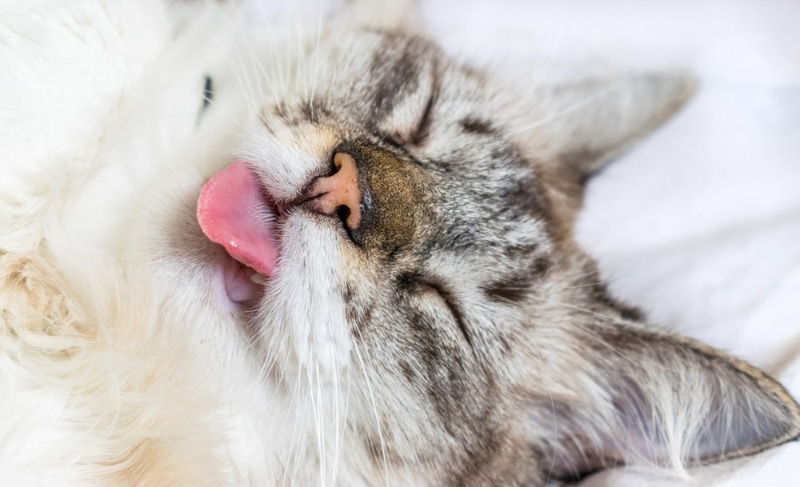
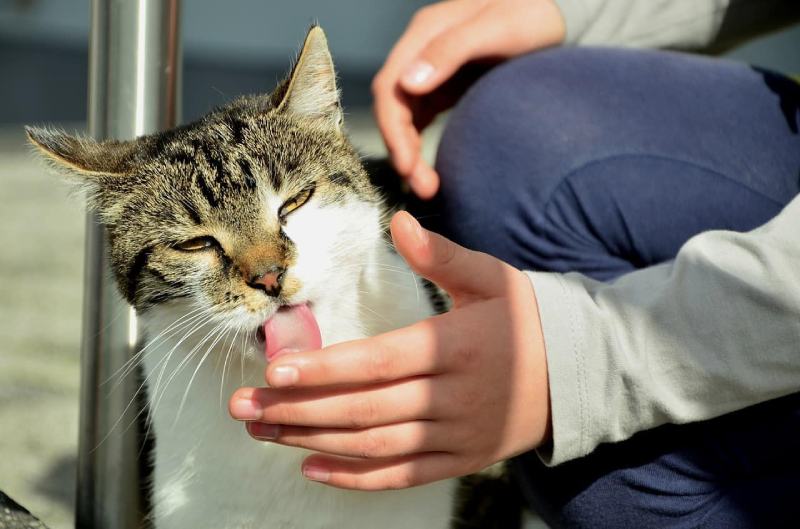
If you have ever owned a cat or been licked by one, you are well aware of how rough a cat’s tongue is. It’s often compared to sandpaper, but it is probably closer to Velcro.
Tiny barbs called papillae cover the surface of a cat’s tongue, and these are what causes the roughness.
Read on for more science-based information about cat tongues, along with answers to frequently asked questions about this topic!

The 4 Reasons Why Cats Have Rough Tongues
Now that you know what causes a cat’s rough tongue, you’ll need to know the purpose of those papillae.
1. Works for Grooming
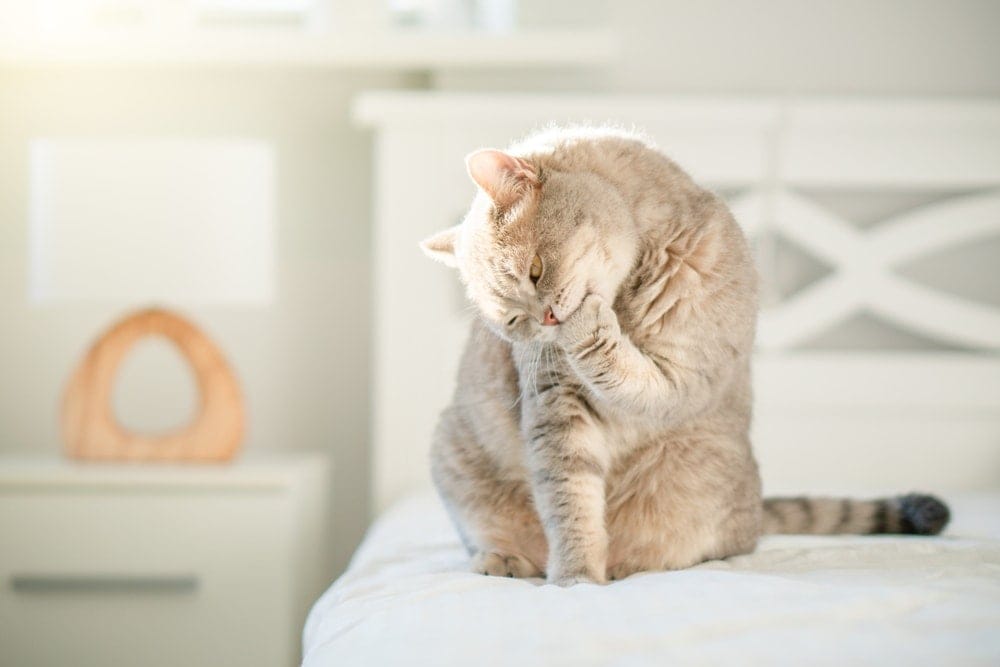
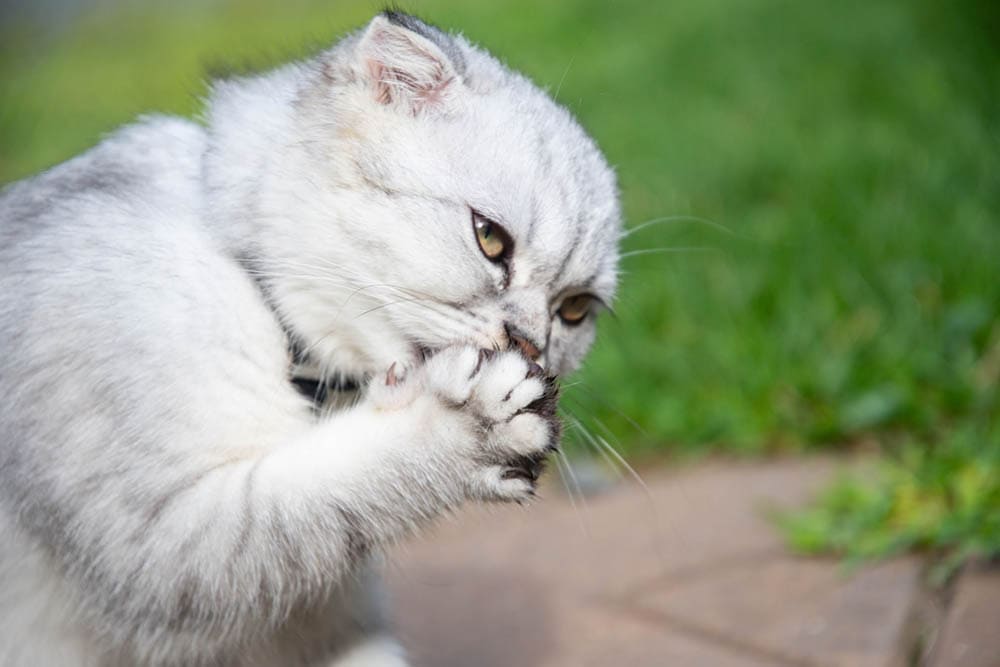
If you know anything about cats, you know that when they aren't sleeping, they are grooming themselves over the day. In fact, on average, cats spend 30% to 50% of their time daily in the act of grooming.1 Grooming is essential to cats for several reasons.
The top reason is to remove dirt, debris, loose hair, and pests like fleas from their coats. Their tongue’s papillae are also effective at removing small mats and tangles, which can be painful and lead to skin irritation and infections.
2. Acts Like a Brush
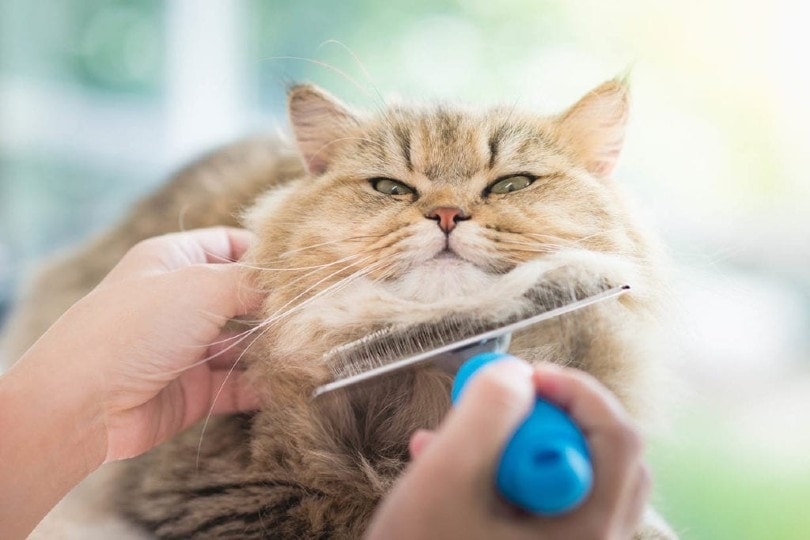
Papillae are relatively flexible and function as a kind of brush, and their curved shape makes it easy to remove hair from them. Researchers created a brush based on the cat's tongue and found it to be quite effective at brushing hair,2 and it was simple to remove the excess hair.
Typical hair brushes have bristles or pins that stand straight up, and picking out the hair can take a while. A brush based on a cat’s tongue only needs you to run your finger along the surface in the same direction as the papillae, and the hair comes off all at once.
3. Helps Cats Cool Off
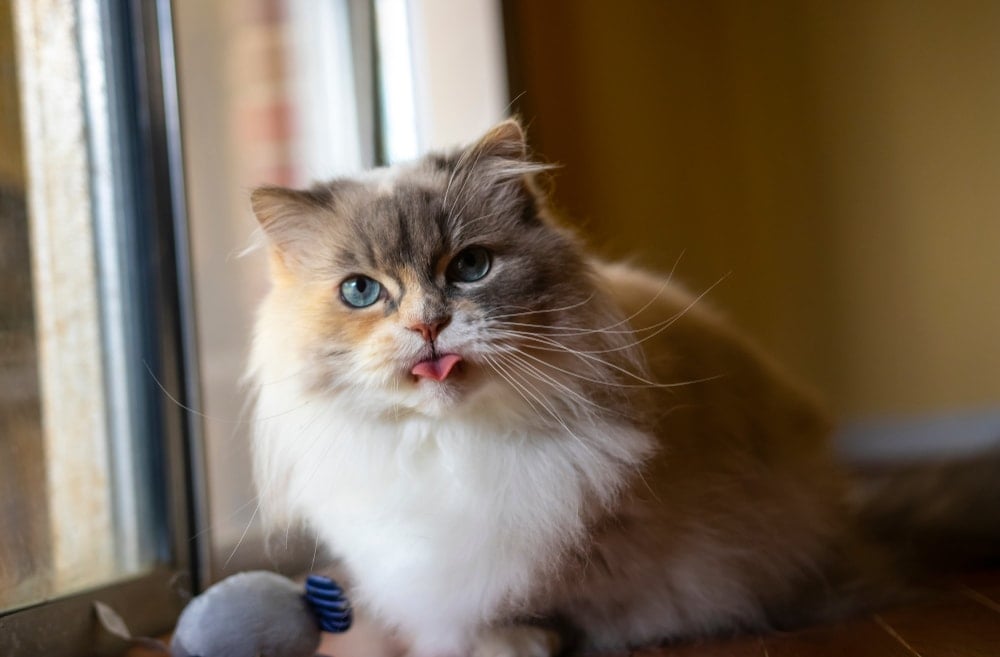
The papillae have hollow tips so they can draw up extra saliva, which is then distributed over the cat’s fur. As the saliva evaporates, it cools the cat’s coat. Cats have sweat glands only in their paw pads and chin, so when a cat is overheated, the saliva cooling off the coat helps your cat to not overheat.
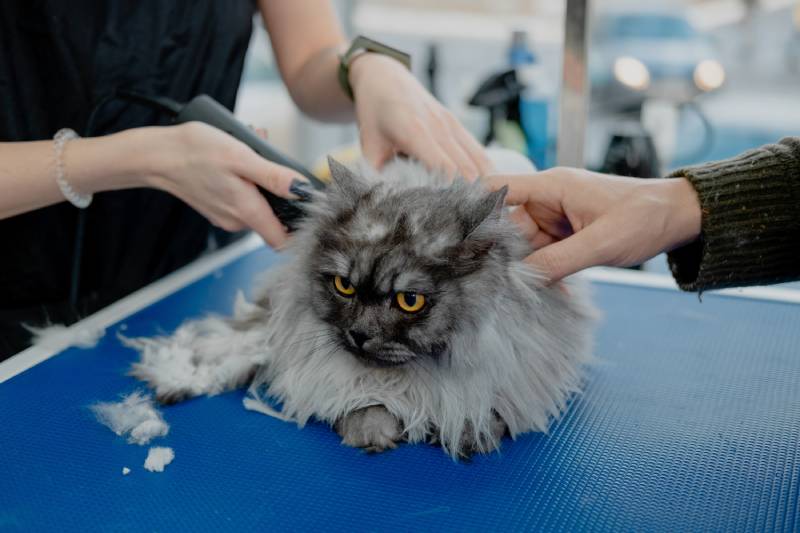
This is a big reason that shaving and bathing cats isn’t recommended except when absolutely necessary (like if they get something toxic on their fur or are covered in mats). Grooming also distributes natural oils throughout their coat, making it somewhat water repellant. Excess bathing removes these natural oils and can dry out the skin.
4. Helps With Eating
All cats, including domestic pets, are obligate carnivores. The papillae on their tongues can help grasp and rip meat from bones. This way, they get every scrap of meat that they can, which is essential for wild and feral cats.
What Makes a Cat’s Tongue So Rough?
The surface of a cat’s tongue is covered in tiny little spines called papillae. These scoop-shaped spines are made from keratin, which is the same stuff that our hair and nails are made from, as well as the claws, hooves, and horns of animals.
The papillae are essentially claw shaped: They are backward-facing curved spines that are hollow at the tips. A cat’s tongue is covered in roughly 250 papillae, which explains why their tongues are so sandpapery.

Frequently Asked Questions
Do All Cats, Including Big Cats, Have Rough Tongues?
Yes, all big cats, including tigers, lions, leopards, and bobcats, have papillae on their tongues. The papillae act in the same way for the big cats as they do for our pets. They use them for grooming and shredding the meat off the bones of their prey.
Are There Other Animals With Spiny Tongues?
Cats are not the only animals with spiny tongues. If an animal has a unique tongue, it typically has something to do with their usual food and/or grooming habits.
The giant anteater has a 2-foot-long tongue, which is coated with similar spines as those seen on cats. The spiny anteater has a spiny tongue, which helps them catch ants and other insects.
Many bird species have spines on their tongues, including geese, flamingos, certain raptors, and penguins. Their tongues help to grip the prey that they’ve just caught or to filter out small prey, such as fish or shrimp.
Cows also have rough tongues, which are used chiefly for grooming. The roughness is effective at removing ticks and other pests, and they can also clean their noses!
Why Is Grooming So Important to Cats?
Besides cleaning, removing mats, and cooling off, excessive grooming is a way of removing any strong odors, which can leave cats detectable to other predators.
Being predators themselves, they must be nearly invisible to their prey in order to have a successful hunt. If their prey can smell the cat, they will make their escape before the cat has a chance to pounce!
Conclusion
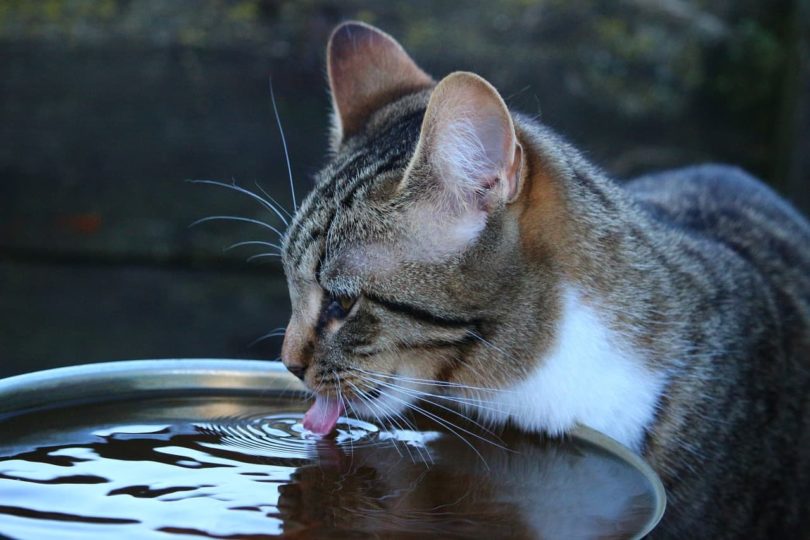
Cat tongues are incredibly fascinating when you think about it. They help cats eat and drink, keep them cool, remove dirt and parasites, and eliminate mats in their coats.
Those scratchy little papillae can flatten (to a certain degree) when the cat doesn’t need them, and they pop out to be effective for grooming purposes.
No matter how rough their tongue is, if you love your cat, you probably enjoy those sandpapery kisses, anyway.
Featured Image Credit: Bruno Rodrigues B Silva, Shutterstock
Get Hepper In Your Inbox


Pet care tips from our vets and experts, straight to your inbox.
You may opt-out at any time. View our Privacy Policy for more information.
Kathryn was a librarian in a previous lifetime and is currently a writer about all things animals. When she was a child, she hoped to work in zoos or with wildlife in some way, thanks to her strong love for animals. Unfortunately, she's not strong in the sciences, so she fills her days with researching and writing about all kinds of animals and spends time playing with her adorable but terribly mischievous tabby cat, Bella. Kathryn is hoping to add to her family in the near future – maybe another cat and a dog.
Join the conversation
Ask a question, share your story, or send private feedback.