Hepper is reader-supported. When you buy via links on our site, we may earn an affiliate commission at no cost to you. Learn more.
Why Does My Cat Cough After Drinking Water? 7 Vet-Verified Reasons


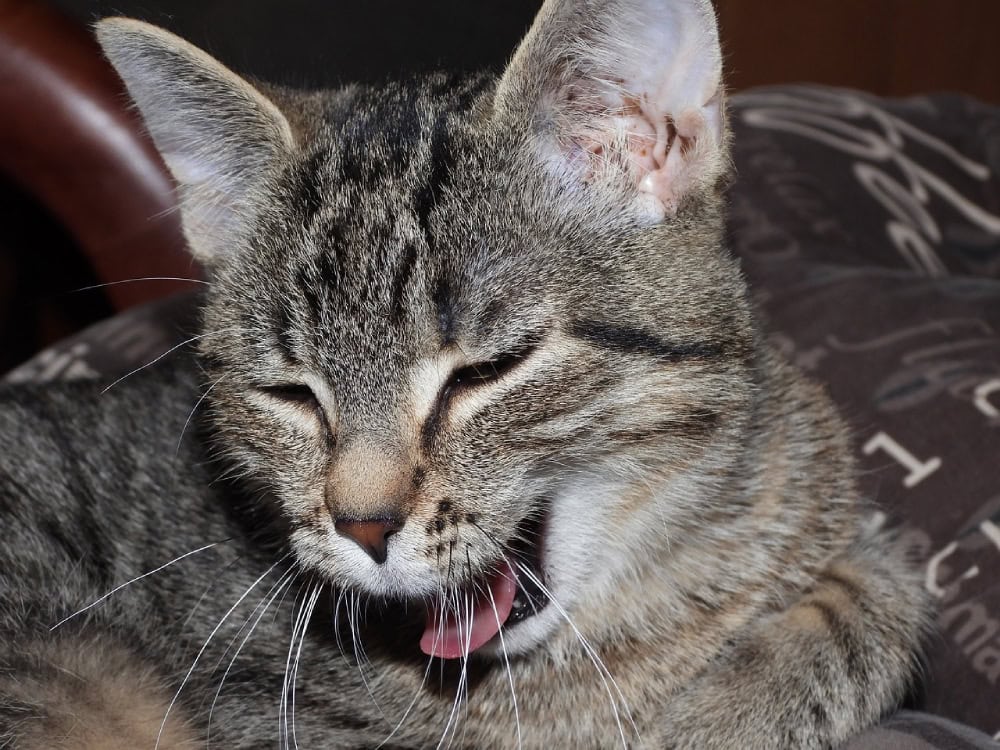
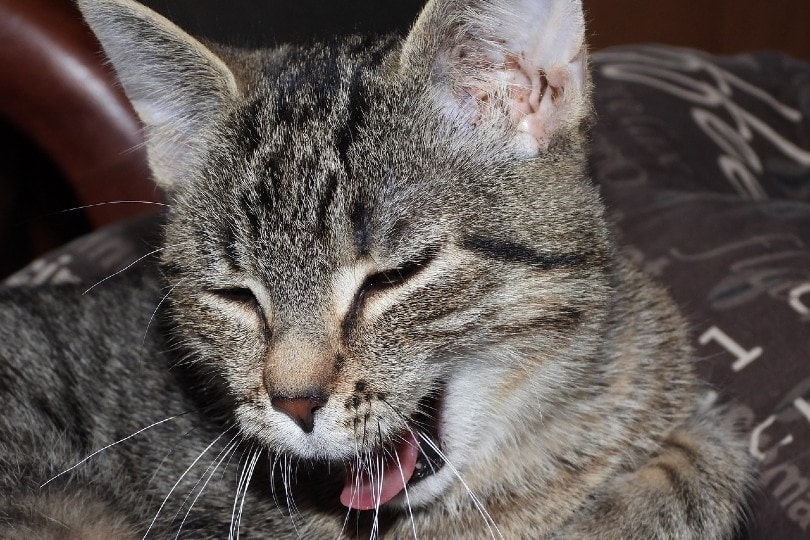
When you love your cat as much as you do, it can be quite scary when they start doing something unexpected, like coughing or gagging after drinking water.
There are several reasons for this behavior, many of which are nothing to worry about. That said, certain health conditions might also cause it, so it’s essential to understand the source to ensure that your cat is healthy and safe.

The 7 Reasons Why a Cat Coughs After Drinking Water
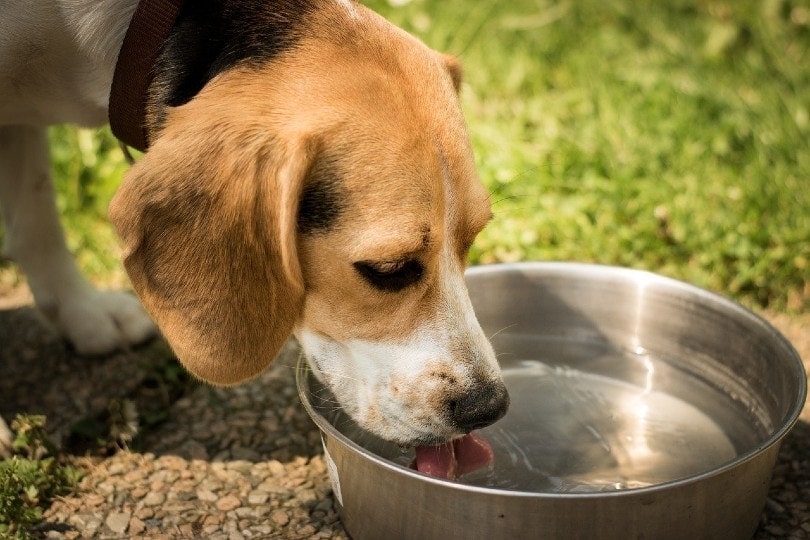
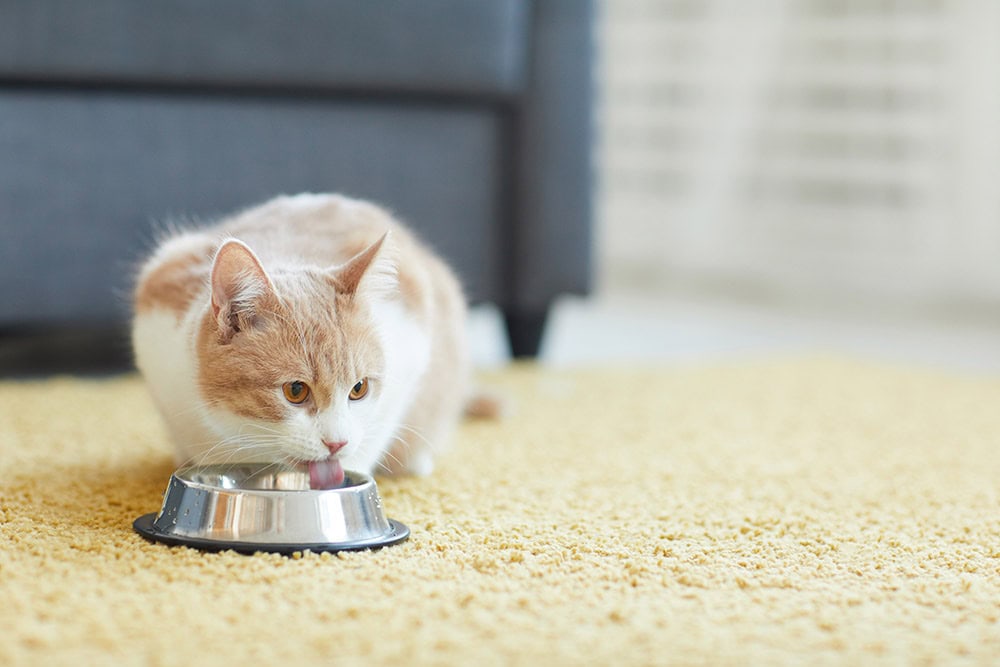
1. Drinking Too Quickly
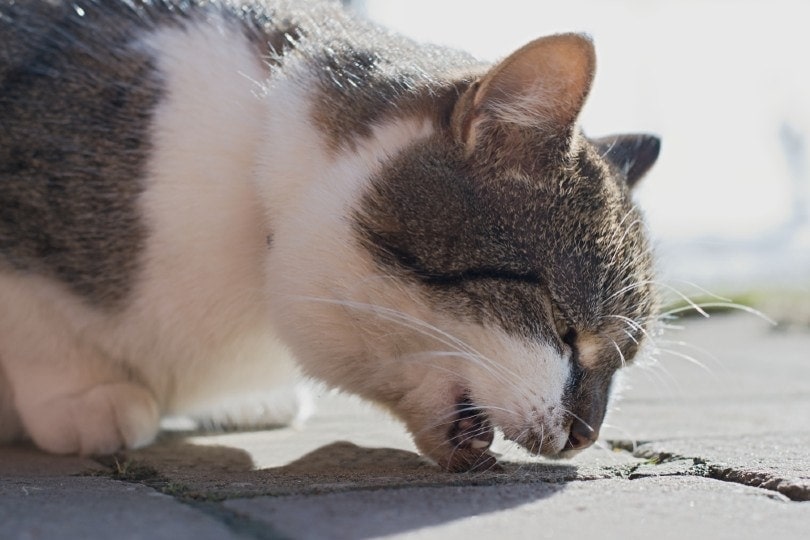
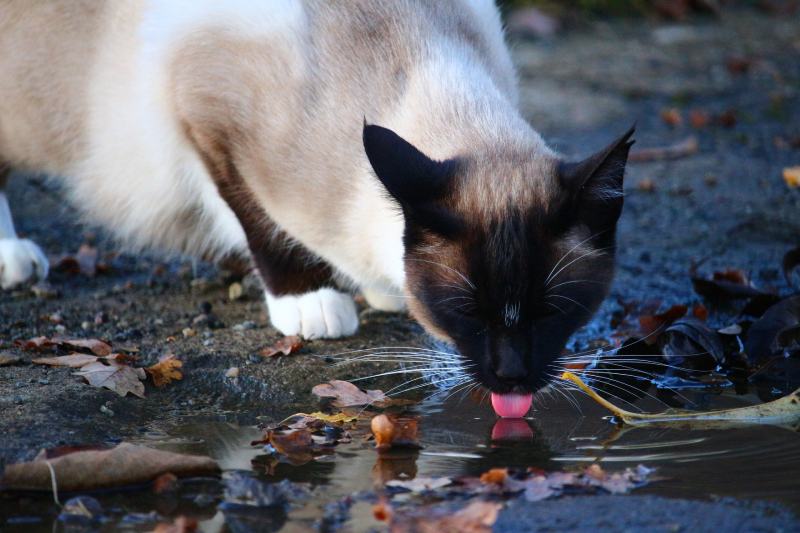
Just about anyone will likely cough after drinking too quickly, and cats are no different. When lapping up water too fast, it can accidentally enter the windpipe, which will cause coughing.
2. Drinking Excessively
Cats are not known to be big water drinkers, so if your cat seems to be gulping water down regularly, this might be a sign of an illness, such as:
- Urinary tract infection
- Kidney disease
- Liver disease
- Diabetes
- Hyperthyroidism
These conditions tend to have a range of different signs, but an increase in thirst is often one of the early signs that something isn’t quite right. Try and take note of how much your cat is drinking in a 24 hour period and book an appointment with your vet for an examination. With all of these conditions, an early diagnosis makes treatment more likely to be successful.
3. Something Wrong With the Water
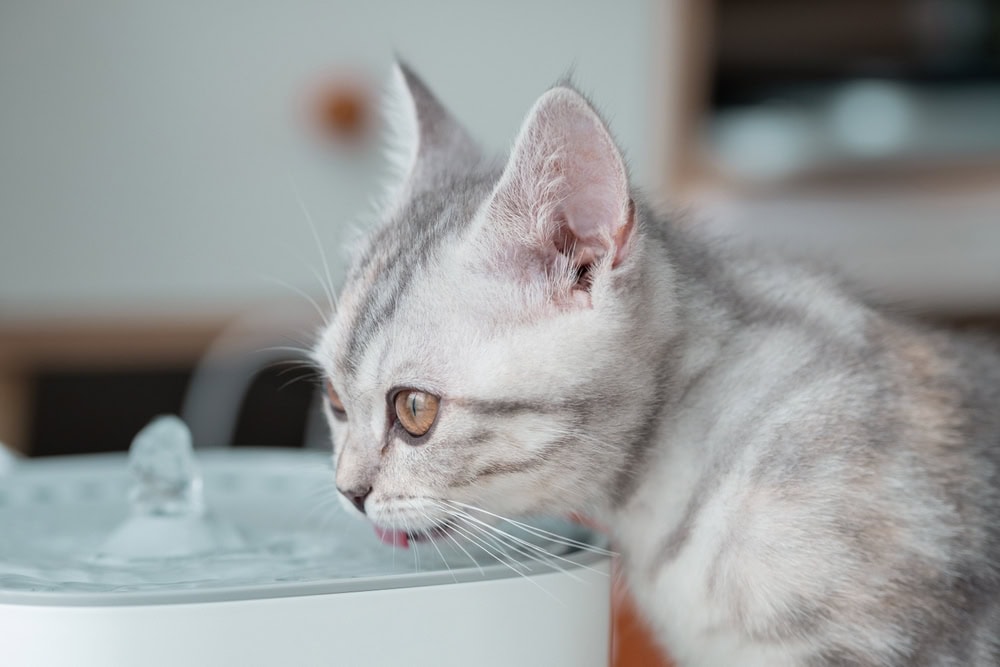
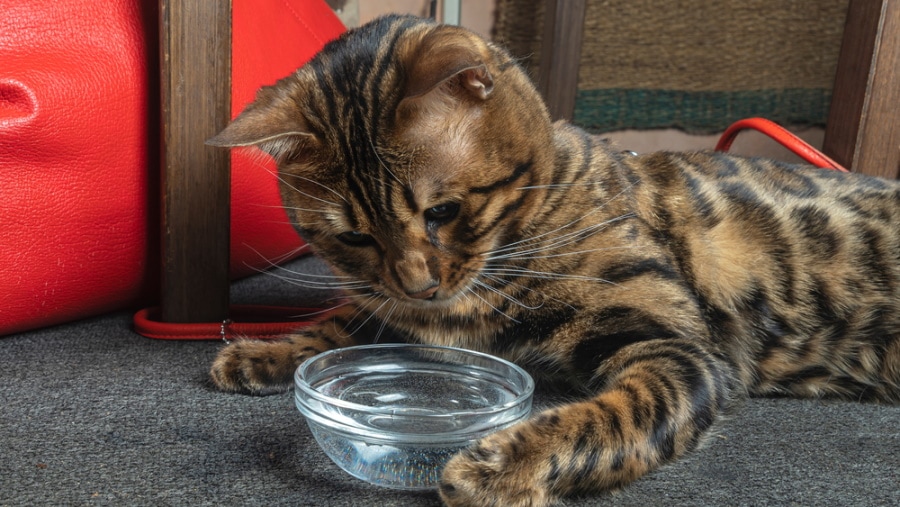
Your cat’s water might taste funny or perhaps it’s too cold. Cats can be highly sensitive to tastes and temperatures, and they can taste some things more acutely than we do. So, if the water has a large amount of chlorine or just tastes funny, it could cause a cat to gag which may be mistaken for coughing.
Solutions to this include:
4. Something Obstructing the Throat
If something is stuck in a cat’s mouth or throat and drinking dislodges it, the cat will likely cough. If your cat has something that is obstructing their throat, they may be highly sensitive in this area, in which case coughing will occur more easily. Examples of things that might cause obstruction in the throat include;
- Small bones, particularly fish bones
- Hairballs
- Polyps or tumors
- Food that hasn’t been properly chewed (common in cats with dental problems)
- A collar that is too tight (you should be able to slip two fingers under it)
- Foreign object in the water (this can be hair or anything else that your cat accidentally laps up)
If the coughing and gagging continue, your cat requires a visit with your vet. In some cases, the obstruction will clear up on its own, but in others, a vet examination will be needed.
5. Allergies
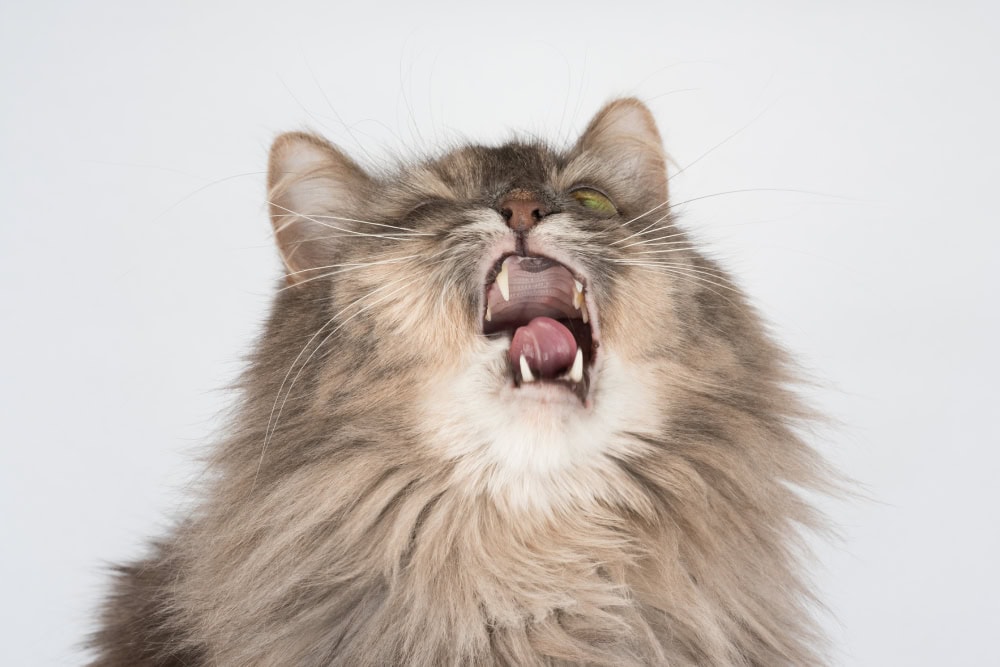
There are several allergies that cats can suffer with. These include both food and environmental allergies. But while a cat with allergies might cough after drinking water, they are also likely to cough throughout the day.
Signs of allergies in cats can include:
You’ll need to see your vet if you believe that your cat might have allergies.
6. Respiratory Infection
Feline respiratory infections are fairly common, and generally are viral origins, but they can also be bacterial or fungal. The cat flu viruses (which can be vaccinated against) are common offenders when it comes to a cat with a respiratory infection, and these include feline herpesvirus (FHV-1) and feline calicivirus (FCV). Signs of a respiratory infection in cats can include:
- Coughing and sneezing
- Eye and nose discharge
- Labored breathing (can sound congested)
- Loss of appetite
Your vet can determine what infection your cat has and provide supportive treatment, to help your cat recover more quickly. Unfortunately, many of the cat flu viruses will remain latent and will reappear throughout a cat’s life.
7. Heart Issue
Hypertrophic cardiomyopathy (HCM) is the most common form of heart disease in cats, where one in seven cats will develop it in their lifetime. However, many cats will not show any sign of there being a problem until the disease is fairly well progressed.
Like our own, a cat’s heart has 4 chambers; two small ones at the top (the atria) and two large ones at the bottom (the ventricles). The heart's left ventricle works to pump oxygen-rich blood to the rest of the body. Hypertrophic cardiomyopathy occurs when the muscular wall of the left ventricle enlarges and thickens, making the chamber smaller and less able to pump blood around the body. The harder the left ventricle works, the thicker the muscle of the wall becomes and the smaller the chamber becomes.
The physical signs of HCM can include:
Your vet will need to run tests, including a physical exam, blood work, and echocardiogram.

Should You Worry If Your Cat Coughs After Drinking Water?
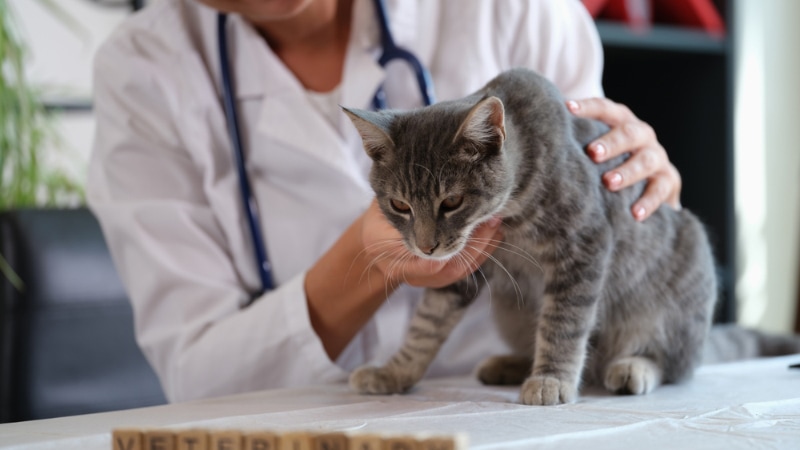
If your cat has done this on the odd occasion, and seems to be fine afterwards, there may be nothing to worry about. That said, you should still speak to your vet to rule out the possibility of something more serious and for your peace of mind. If your cat has started to cough, be it after drinking water or other times of day, it is essential that you book in with your veterinarian.
You can try a few of these tips to see if any of them makes a difference, but if you are concerned about your cat’s health, a trip to the vet is in order.
- Use a new water bowl or fountain made with glass, ceramic, or stainless steel. Try to avoid plastic.
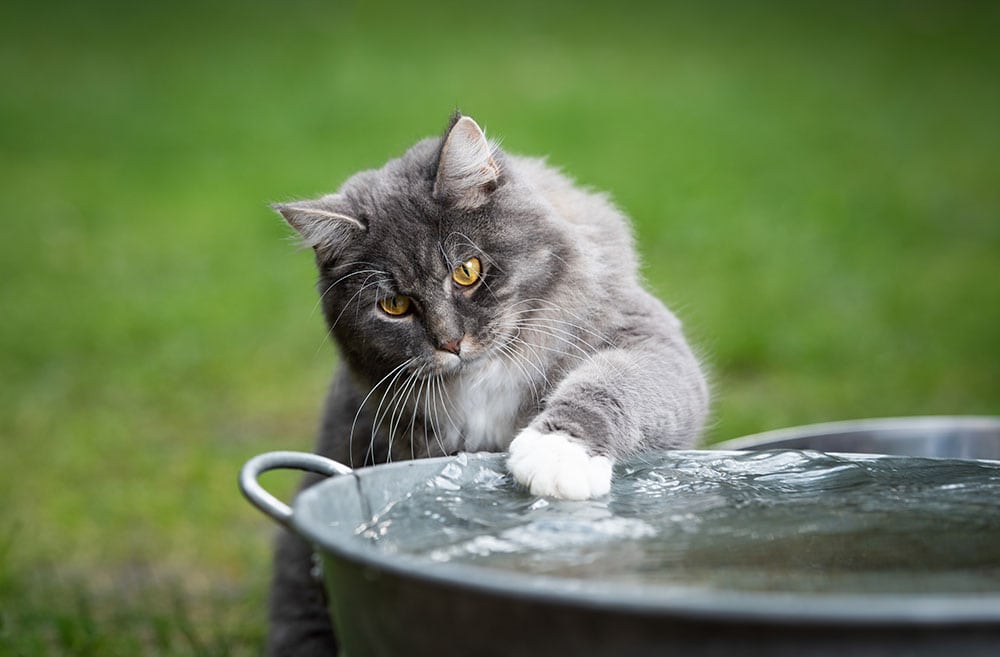
- Use a fountain if your cat tends to paw at the bowl.
- Provide filtered water over tap water.
- Ensure that your cat’s collar fits correctly (you should be able to slide two fingers under the collar).
- Keep the water at room temperature.
- Clean and refill the water bowl twice a day.
- Give your cat multiple bowls in different locations in your home.
- Move the bowl or fountain to a stress-free area (away from noisy appliances or high-traffic areas).
- Move the bowl or fountain away from the litter box and food bowls.
- Take your cat to your veterinarian for regular annual checkups or anytime you’re concerned.

Conclusion
Some cats simply cough after drinking water, which can be chalked up to a unique trait. But if your cat suddenly starts coughing, it’s best to take them to the vet to rule out the possibility of something serious.
Keeping hydrated is vital for a healthy cat, as dehydration can lead to serious complications. But if your cat is in good health, perhaps a few of the tips here can help your cat drink more comfortably.
Sources
https://www.petmd.com/cat/conditions/cardiovascular/feline-hypertrophic-cardiomyopathy-hcm-cats
https://www.petmd.com/cat/conditions/respiratory/treating-upper-respiratory-infections-cats
https://www.petmd.com/cat/conditions/systemic/allergies-cats
https://www.petmd.com/blogs/thedailyvet/dr-coates/2015/july/nasopharyngeal-polyps-cats-32890
Featured Image Credit: satynek, Pixabay
Get Hepper In Your Inbox


Pet care tips from our vets and experts, straight to your inbox.
You may opt-out at any time. View our Privacy Policy for more information.
Kathryn was a librarian in a previous lifetime and is currently a writer about all things animals. When she was a child, she hoped to work in zoos or with wildlife in some way, thanks to her strong love for animals. Unfortunately, she's not strong in the sciences, so she fills her days with researching and writing about all kinds of animals and spends time playing with her adorable but terribly mischievous tabby cat, Bella. Kathryn is hoping to add to her family in the near future – maybe another cat and a dog.
Join the conversation
Ask a question, share your story, or send private feedback.