Hepper is reader-supported. When you buy via links on our site, we may earn an affiliate commission at no cost to you. Learn more.
Why Is My Cat Gagging? 10 Vet Reviewed Reasons


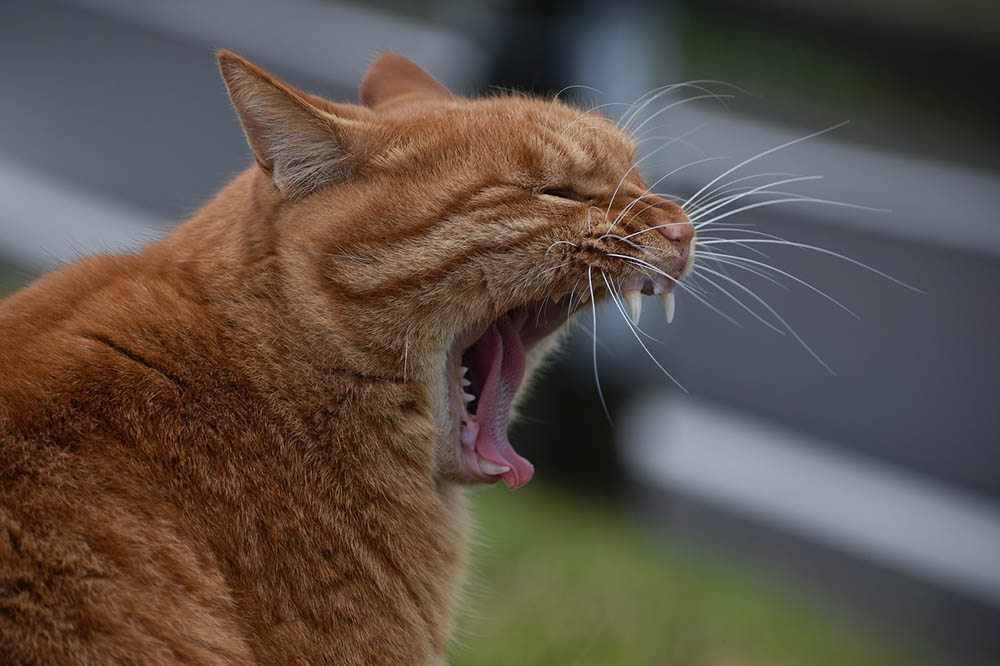
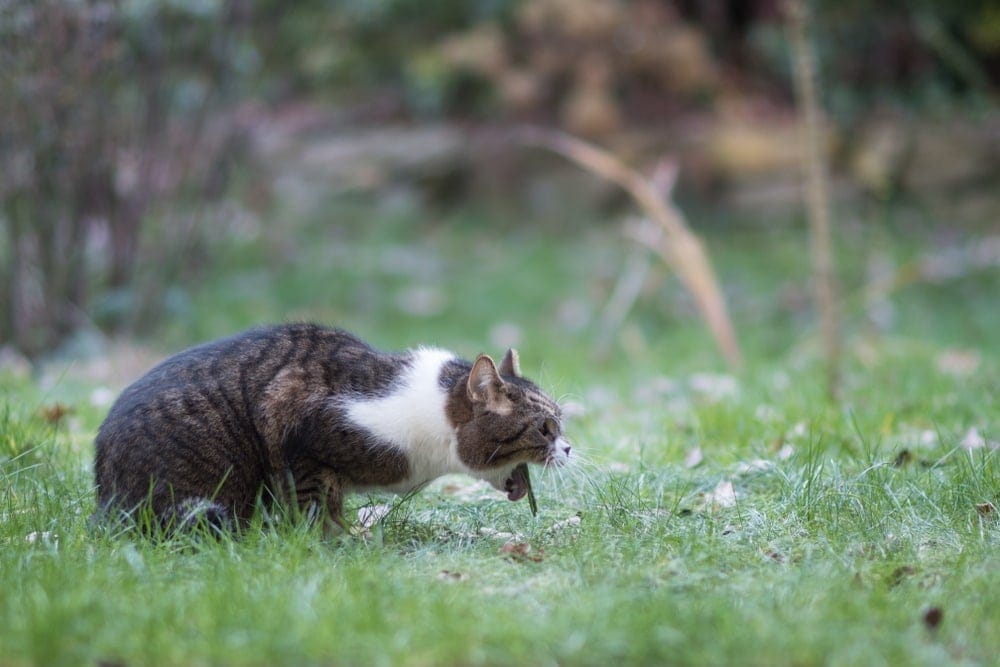
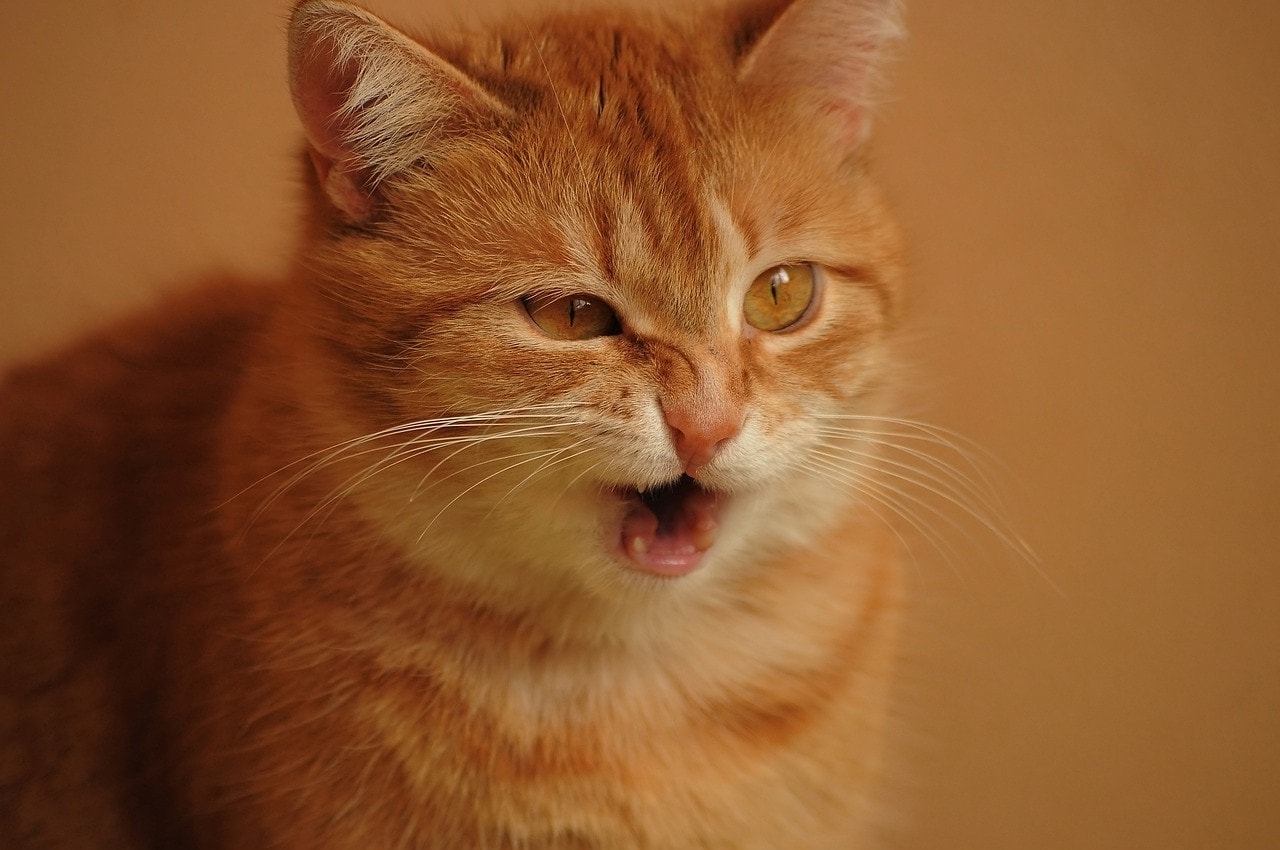
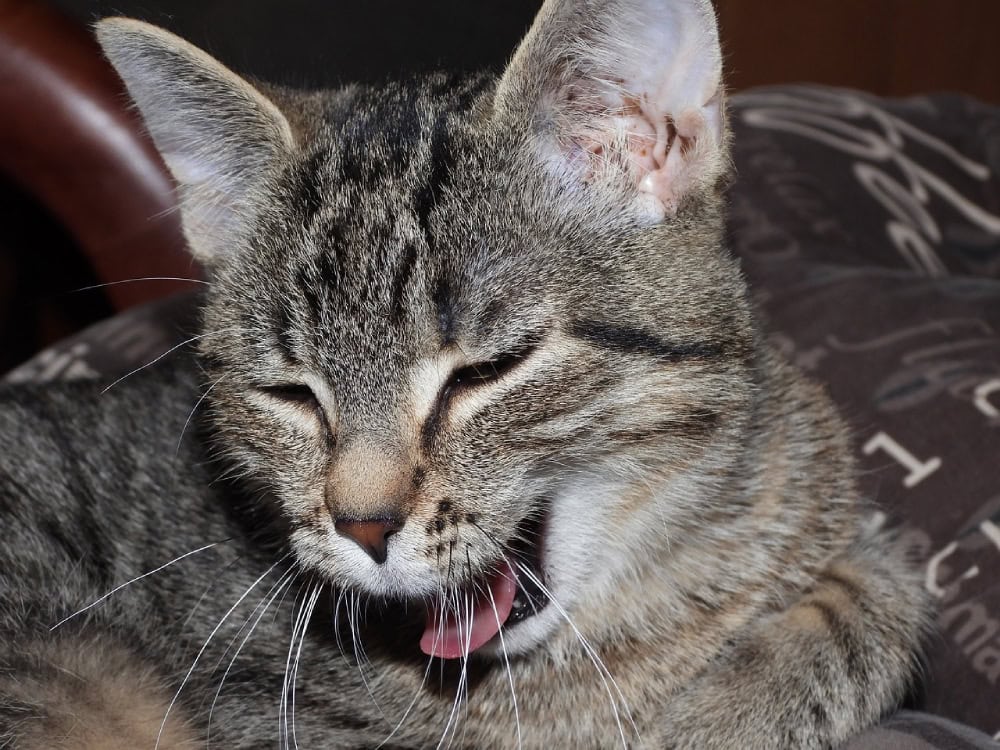
If your cat is gagging all the time or has just started, it’s something you’ll need to pay attention to and figure out relatively quickly because it could be something serious. Sometimes it’s something small you can figure out right away, and other times, it requires a trip to the vet as soon as possible.
But how can you tell the difference and what are the various reasons your cat might be gagging? We’ve highlighted 10 reasons for you below and came up with a brief snippet on each one so you can try and figure out the best plan of action.

The 10 Reasons Why a Cat is Gagging
1. Hairballs
| Likelihood | High |
| Seriousness | Varies |
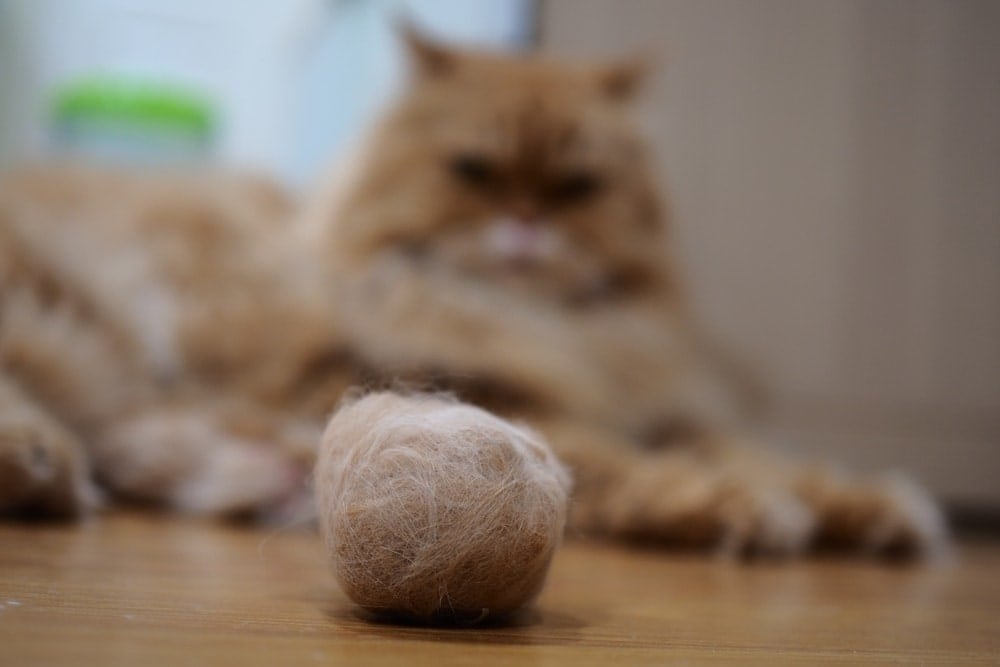
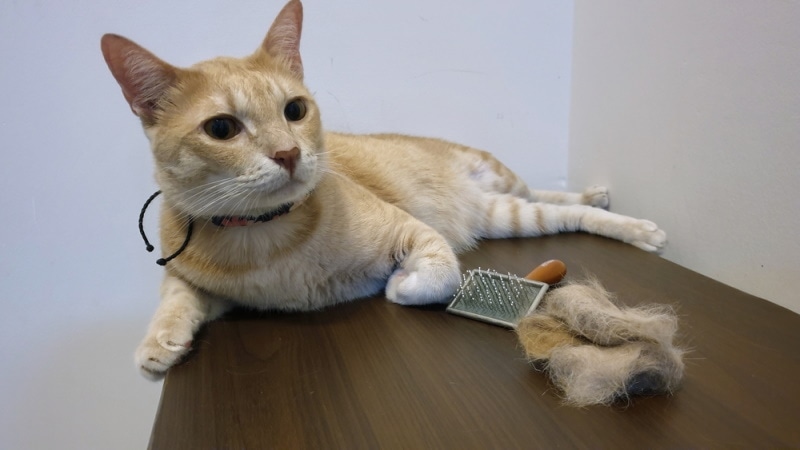
Hairballs are by far the most likely reason your cat is gagging, and as long as it’s not something that’s happening regularly, it’s perfectly normal. If this is the case, your cat should be able to get the hairball up on their own, and once it’s up, they should stop gagging.
However, if your cat seems to get an excessive number of hairballs, it could be because of excessive grooming, food allergies, a low-quality diet, or something else entirely. If you think there’s an underlying issue, we highly recommend reaching out to your vet.
2. Nausea
| Likelihood | Uncommon |
| Seriousness | Moderate |
Nausea isn’t the most common thing for your cat to experience, but if they are feeling nauseous, one of the first and most notable signs is gagging. Often, this gagging will lead to vomiting, but not always. If your cat is gagging because they are nauseous, you typically don’t need to do anything as long as it doesn’t persist for too long and it doesn’t happen regularly.
3. Eating Too Fast
| Likelihood | Moderate |
| Seriousness | Moderate |
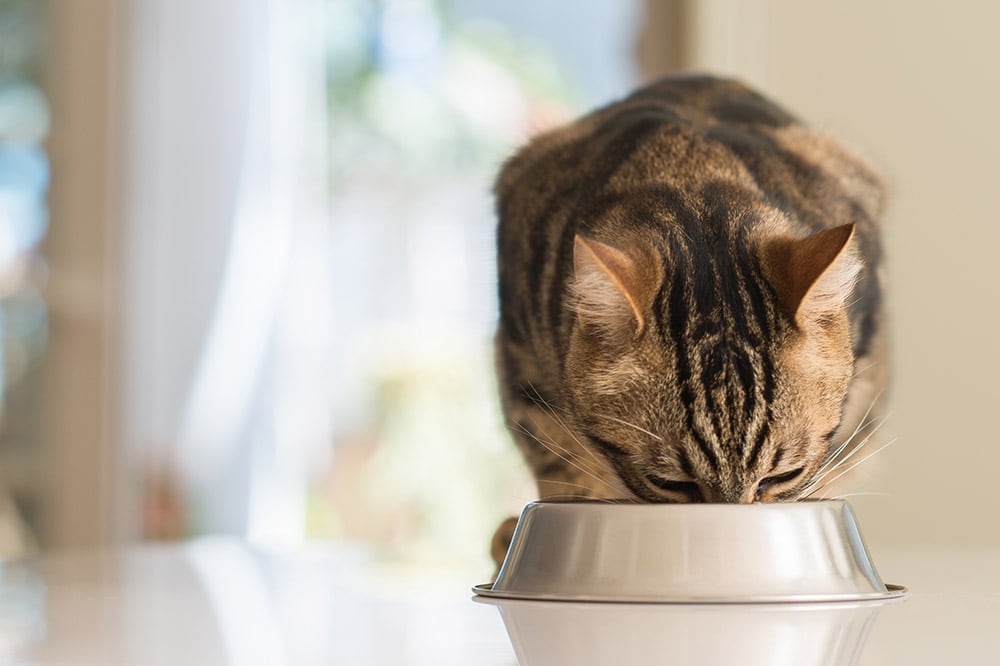
Some cats simply scarf down their food as fast as they can, which can have numerous adverse health consequences for your cat. You can do a few things to help your cat eat a little slower, including using a special food bowl, getting a different type of food, or controlling how much food your cat gets at once.
4. Swallowing Something They Shouldn’t
| Likelihood | Moderate |
| Seriousness | High |
When a cat is gagging, it could be because they just ate something they shouldn’t. Common items that can cause gagging in cats after they eat it include strings, bones, toxic substances, or tinsel. Blades of grass are another common culprit. If you think your cat ate a foreign substance, you need to take them to the vet immediately for proper emergency treatment.
5. Kidney Disease
| Likelihood | Low |
| Seriousness | High |
Kidney disease isn’t something you typically need to worry about with younger cats, but with older cats, it’s unfortunately common. With kidney disease, there’s an excessive buildup of waste in the bloodstream, and in most cases, there is no cure. However, with special diets and medication, you can usually control kidney disease enough to give your cat a fulfilling life. Cats with kidney disease will sometimes gag if the build up of toxins makes them feel nauseous.
6. Upset Stomach
| Likelihood | High |
| Seriousness | Low |
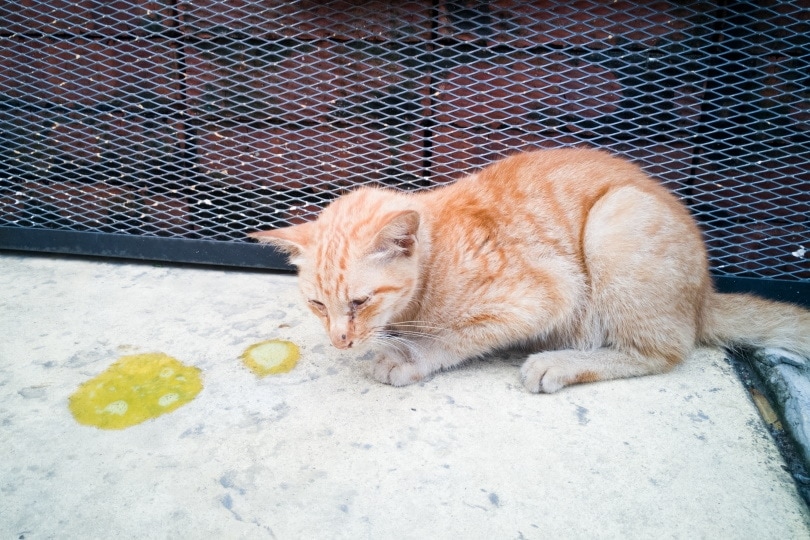
When something isn’t sitting right in your cat’s stomach, it’s their body's natural reaction to try and get it out. They do this through gagging and vomiting, and there are various reasons your cat might have an upset stomach in the first place. It could be an illness or something they ate, but as soon as their stomach settles, the problem should go away.
7. Respiratory Illness
| Likelihood | Moderate |
| Seriousness | Moderate |
If your cat is suffering from something like pneumonia or another respiratory illness, they’re likely to start coughing a bit more. While coughing isn’t necessarily gagging, it’s common for some people to mix the two up.
If your cat is coughing a lot because of a respiratory illness, take them to a vet so they can get the proper diagnosis and medication before things get too serious.
8. Internal Parasites
| Likelihood | Low |
| Seriousness | High |
Heartworm and Lungworm can both cause significant respiratory inflammation and damage. Heartworm can be transmitted via biting insects like mosquitoes, whereas lungworm requires your cat to ingest a slug or snail. Neither are particularly common in cats, but are more prevalent in certain areas.
In addition to these, the larval stage of some intestinal worms will migrate across the trachea (windpipe) causing irritation, coughing, and sometimes gagging.
The good news is that regular worming treatment will keep these worms at bay.
9. Allergies
| Likelihood | Moderate |
| Seriousness | Moderate |
Often cats suffer from various allergies, which can come from their environment, their food, or something else entirely. Allergic reactions can present themselves in all sorts of ways, and if your cat is gagging, it’s likely a serious allergic reaction you need to address.
You need to find the underlying cause of the allergy so you can keep it away from your cat in the future and keep them from having the allergic reaction again.
10. Coughing
| Likelihood | High |
| Seriousness | Low |
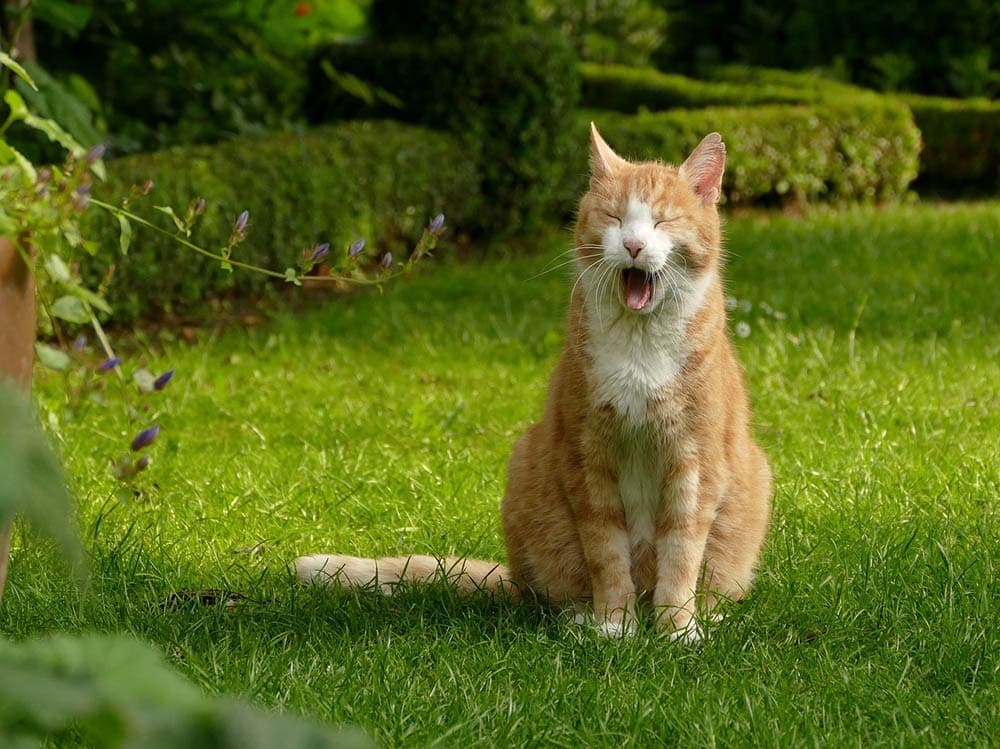
While coughing technically isn’t gagging, it's pretty easy to confuse the two. Because of this, if you see your cat gagging, ensure you pay special attention to ensure they’re actually gagging and not coughing. They’re both completely different things and come from different underlying conditions. Asthma is a relatively common condition in cats, particularly in the Siamese breed, so if your cat is regularly coughing or wheezing, it is time for a check up at the vet.
In Conclusion
Now that you know about some of the most common reasons your cat might be gagging, it’s up to you to figure out why your cat is doing this, as well as what you should do about it! If you can’t figure it out or if the gagging persists, take your cat to the vet as soon as possible so they can get a professional diagnosis and treatment!
If your cat seems unwell, lethargic, not eating and is gagging, they should be seen by a vet urgently. This is also the case if your cat seems to be having difficulty breathing or is in distress.
Sources
Featured Image Credit: Santa3, Pixabay
Get Hepper In Your Inbox


Pet care tips from our vets and experts, straight to your inbox.
You may opt-out at any time. View our Privacy Policy for more information.
Adam, a dedicated freelance writer and animal advocate, has a long history of rescuing animals and creating compelling written content. For over ten years, he has worked as a freelance writer, and his passion for rescuing animals extends even further back. Adam is also a proud father of three, always ready for a challenge and eager to embark on new adventures.
Join the conversation
Ask a question, share your story, or send private feedback.