Hepper is reader-supported. When you buy via links on our site, we may earn an affiliate commission at no cost to you. Learn more.
Why Do Bearded Dragons Wave? 5 Vet-Reviewed Reasons


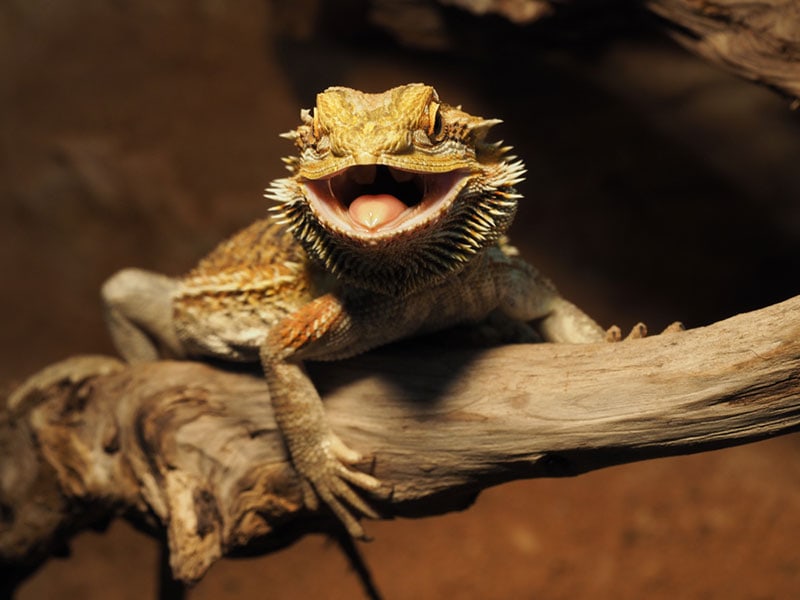
Bearded dragons are among the most popular reptile pets. They are quite docile and have amazing behaviors that can be quite fascinating to watch and even learn from.
These behaviors include utilizing their impressive beards, bobbing their heads, and waving their legs. If you’re unsure what this waving is all about, we get into the reasons for it here and whether you need to do anything about it.

The 5 Possible Reasons a Bearded Dragons Wave
1. Submissiveness
Waving consists of the bearded dragon settling themselves onto three legs and raising one of their forelegs, which may appear as if they are waving. A common reason for this is that they are demonstrating submissiveness. If your beardie seems to raise one of their front legs, moving it slowly in a circular motion when you approach their enclosure, they are likely giving you a visual signal that they are submissive.
It’s almost like waving a white flag; not only are they letting you know that they view you as dominant, but they are also not interested in any conflict.
2. Reflection
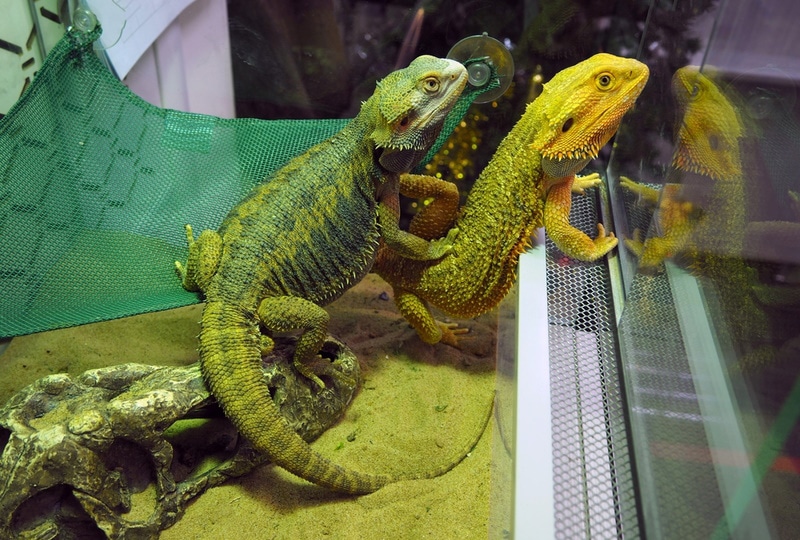
In some cases, your beardie might be seeing their reflection in the glass of their enclosure and getting confused. They might think that this is another bearded dragon and is showing their submissiveness to their own reflection.
This is usually not a big problem unless you start to notice that your dragon seems stressed by their reflection. If this is the case, you should try different lighting or move the reflective surface to another area.
3. Mating Behavior
A female beardie will sometimes wave to a male as a signal that she is ready to mate. The waving will be in conjunction with other behaviors, such as slow head bobbing and sometimes circling the enclosure.
If you are housing a male and female together, you should know that the male can be aggressive toward the female.
4. Threatened
If a bearded dragon is fearful and stressed and feels threatened, they will wave their arm as a sign of their distress. This can be due to various situations:
- Pets, such as cats and dogs
- Boisterous children
- Unfamiliar objects
- New location or enclosure
If your other pets get too close to their enclosure, this can stress them out, as can too much noise and activity. Loud children or people they don’t know walking near your beardie can make them anxious and feel threatened.
The solution here is to place your beardie’s enclosure in a quiet place where there won’t be any noisy activity. Supervise young children or any pets in the same room.
5. Acknowledgement
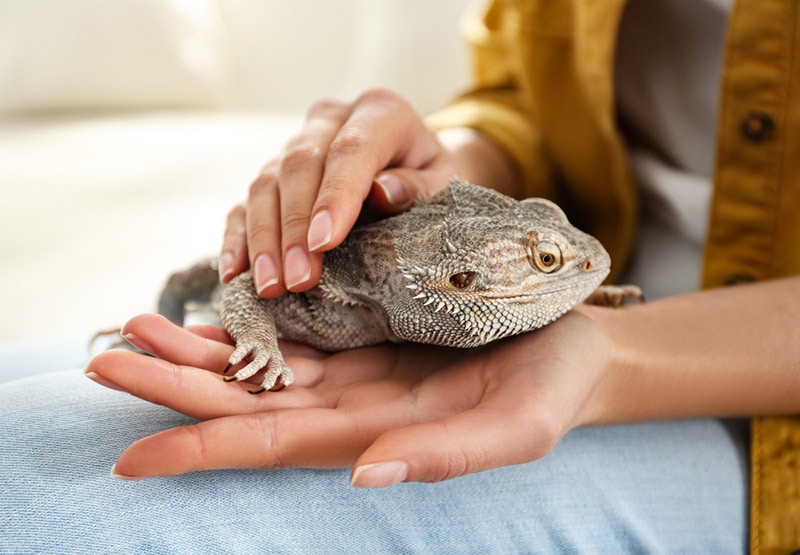
In some cases, the waving is just to acknowledge the presence of others. This can be prompted by a few of the same things that can trigger the submission wave, but is generally one wave rather than repeated waving. Pets or anyone else entering the area of your beardie’s enclosure might get the acknowledgement wave. This is different from the submissive wave; your beardie is just letting you know that they see you and are aware of your presence.
What If Your Bearded Dragon Is Waving Too Much?
Waving is normal behavior, but if your beardie is waving more than usual, there are a few things to take into consideration.
Habitat Issues
If something’s wrong with their enclosure, it can lead to your beardie excessively waving out of fear and stress. Look for the following potential issues:
- Tank size: A tank that is too small or too large can lead to stress. A small tank can make them feel trapped and confined, and too large a tank might make them feel vulnerable and exposed.
- Lack of hides: All dragons need hiding places, and a lack of these can make them feel vulnerable. Their instincts tell them to hide when they are nervous or feel threatened.
- Close to a window: If their habitat is too close to a window, they might see birds or other predators that will cause them stress. Either keep the window covered or move their enclosure.
- Environmental problems: You should always stay on top of the temperature and humidity levels in your beardie’s enclosure. Constant upkeep is required, such as replacing the UVB lights every 6 months. Ensure that you have a hygrometer and thermometer to check the atmosphere frequently.
- Natural environment: The dragon’s enclosure should have enough decorative pieces to emulate their natural habitat. Check out other beardie owners' enclosures online for ideas.
Stress
A dragon that is stressed will likely wave too much. Being under stress for long periods is unhealthy and can lead to health problems. Even things as simple as adding new furniture to your home and moving your beardie's enclosure around can lead to stress.
Try to keep the room that your beardie is housed in as quiet and stress-free as possible.
What If Your Bearded Dragon Never Waves?
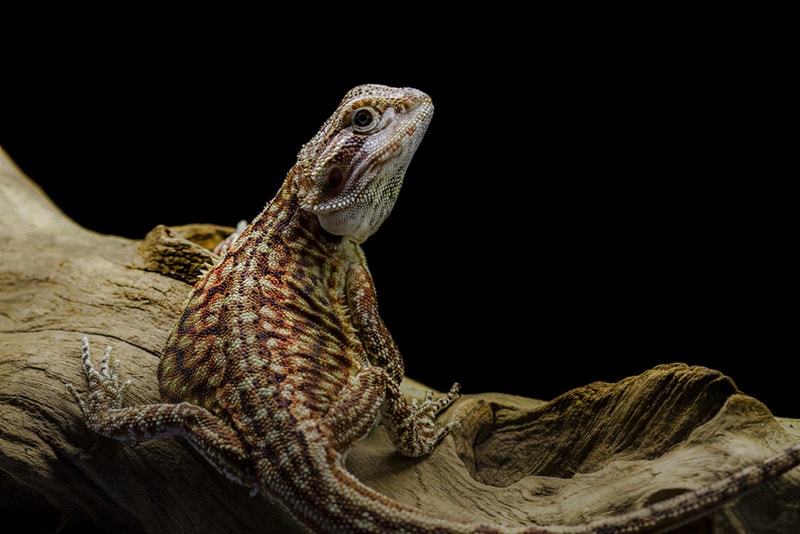
If your beardie doesn’t wave, it’s usually nothing to worry about. They are likely just happy and relaxed, so you must be doing something right! It is also possible that they do wave on occasion, and you simply happen to miss it.
But if you’re ever worried about your beardie and think that something might be wrong, you should see an exotic veterinarian. They can check your dragon to determine if anything might actually be wrong and give you advice on any changes that you might need to make to your beardie's diet or enclosure.
Conclusion
The occasional waving by a beardie is typically not a cause for concern. Check what they are doing at this time: Are they looking relatively relaxed or moving away to hide? They might be feeling threatened by larger pets or rambunctious children. They might be showing submissive behavior to you or even to themselves! But if there aren’t other signs of stress accompanied by the waving, you don’t really need to worry.
Check their habitat regularly to ensure that everything is in order, and separate your dragons if you have more than one. If you’re still concerned, speak to a vet who specializes in reptiles. In a healthy environment, your beardie should remain more or less content and stress free.
Featured Image Credit: Dudley Simpson, Shutterstock
Get Hepper In Your Inbox


Pet care tips from our vets and experts, straight to your inbox.
You may opt-out at any time. View our Privacy Policy for more information.
Kathryn was a librarian in a previous lifetime and is currently a writer about all things animals. When she was a child, she hoped to work in zoos or with wildlife in some way, thanks to her strong love for animals. Unfortunately, she's not strong in the sciences, so she fills her days with researching and writing about all kinds of animals and spends time playing with her adorable but terribly mischievous tabby cat, Bella. Kathryn is hoping to add to her family in the near future – maybe another cat and a dog.
Join the conversation
Ask a question, share your story, or send private feedback.