Hepper is reader-supported. When you buy via links on our site, we may earn an affiliate commission at no cost to you. Learn more.
Can Bearded Dragons Eat Basil? Vet-Approved Benefits & Tips


In this article
Bearded dragons are popular exotic pets in the United States. They are relatively easy to look after (for a reptile), charismatic, and friendly. However, like other reptiles, Beardies need the correct diet to keep them healthy. A varied diet is essential since they’re omnivorous and need animal and vegetable proteins to thrive.
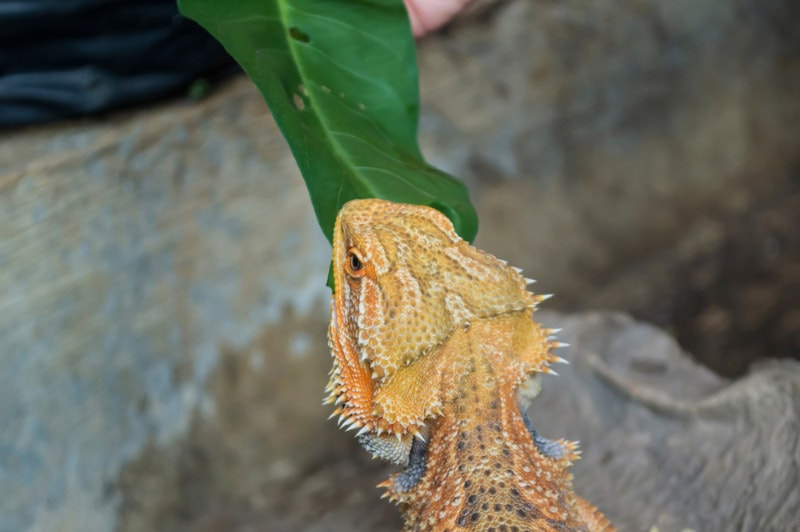
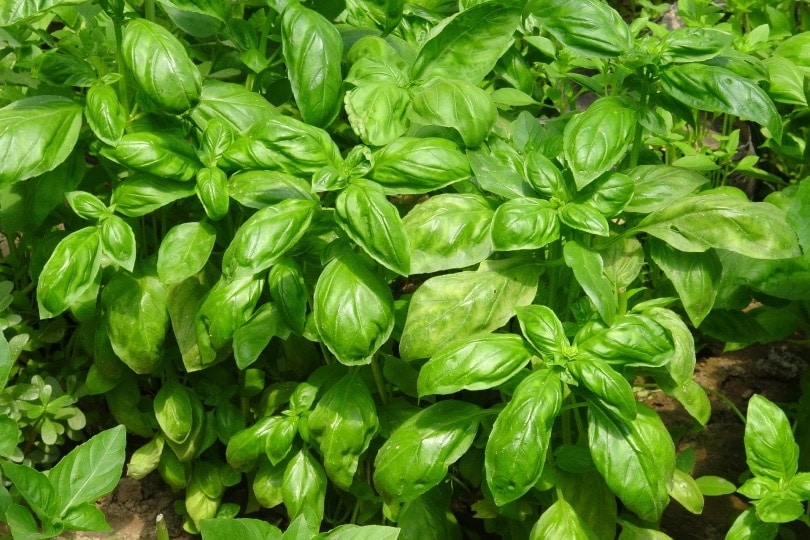
Homegrown foods, including herbs, are convenient for Bearded dragon owners. But what about basil? Bearded Dragons can eat basil, and it is a highly nutritious herb. Like anything in your dragon's diet, basil should be balanced with other foods to ensure complete nutrition. However, basil provides some essential nutrients that can benefit your Beardie!

Is Basil Good for Bearded Dragons?
Basil is a dark, leafy herb commonly grown around the world. Darker greens are more nutritious (generally) than lighter veggies and leaves, and basil is no exception! Basil can provide your Bearded Dragon with several essential vitamins and minerals; its sharp flavor keeps mealtimes interesting and tempts them to eat.
1. Calcium
Calcium is arguably one of the most important minerals for Bearded Dragons to consume. Reptiles need calcium to maintain healthy bones and growth, and they often need supplementation since omnivorous reptiles have trouble getting it from their diet. Metabolic bone disease can occur if your Bearded Dragon doesn't get enough calcium or vitamin D3.
The parathyroid glands are stimulated to start removing calcium from bone to use in the body if there isn't enough in the diet, causing brittle bones, deformities, and pain. Feeding a diet high in calcium and low in phosphorus is essential, so basil can help ensure your Beardie gets as much as they can!
2. Potassium
Potassium levels are usually well controlled in Bearded Dragons, but they still need potassium in their diet. Potassium helps electrical impulses function correctly, including those that control muscle movement and nerves. The heart functions because of these impulses, so dietary potassium is important!
3. Beta-Carotene
Beta-carotene is an antioxidant found in many fruits and vegetables, which your Bearded Dragon can convert into vitamin A. The good thing about beta-carotene is that your Beardie will only convert the amount it needs into vitamin A, so you don't have to worry about over-supplementation! The pigments that beta-carotene provides can also enhance your dragon's color.

How Much Basil Can Bearded Dragons Have?
How much basil you should give your Bearded Dragon depends on how old they are. Younger Beardies eat more animal or insect protein, and older Beardies prefer more vegetation. However, a 50/50 split of insect and vegetable protein is a rough guideline. Bearded Dragons should be given vegetables and leafy greens daily, and you can give them a few leaves of basil a week. Basil has a high calcium-to-phosphorus ratio and shouldn't be fed more than once weekly.
Calcium to Phosphorus Ratio
Calcium and phosphorus ratios are important for Bearded dragons because phosphorus levels determine how much calcium can be used by the body. Because calcium is so vital for correct bone growth and maintenance, the ideal ratio of calcium to phosphorus for Beardies is between 1:1 and 2:1. Basil has a ratio of 3:1, meaning it's too high to be fed more than once a week.
How Can I Safely Give My Bearded Dragon Basil?
Basil can be easily prepared and served safely to your Bearded Dragon. Find an organically grown basil plant or fresh basil leaves in the store and thoroughly wash the leaves to remove any potential pathogens or residues. Next, you can serve them as whole leaves or chop them finely and mix them with your Beardie's other leaves and vegetables. Bearded Dragons can eat cooked greens, but they lose nutritional value during cooking. Raw greens are best!
Can I Give My Beardie Dried Basil?
While the drying process changes the nutrient content of herbs and makes them more potent, they're too much for your Bearded Dragon. Dried herbs are less nutritious, are more concentrated in minerals such as calcium and phosphorus, and are less palatable to reptiles, so avoid dried basil and only offer your Beardie fresh leaves.
Which Other Herbs Are Good for Bearded Dragons?
There are many other fresh herbs that you can feed to your Bearded Dragon to give them a nutrient boost. Remember that variety is the important thing; feeding each of these herbs in moderation will ensure your Beardie has an enriching, healthy, and balanced diet:
Final Thoughts
Bearded Dragons are omnivorous reptiles that eat various vegetables and meats. Leafy greens are a daily essential for them, but you can safely give your Beardie a few leaves of basil once a week. Basil is healthy and full of nutrients beneficial for Beardies, but the calcium-to-phosphorous ratio is too high for it to be fed to your dragon more than once a week. If fed as part of a balanced diet, your Bearded Dragon will reap all the benefits of basil without any drawbacks! Remember, wash the leaves thoroughly before giving them to your Beardie, and wash your hands after feeding them!
Featured Image Credit: Tookapic, Pixabay
Get Hepper In Your Inbox


Pet care tips from our vets and experts, straight to your inbox.
You may opt-out at any time. View our Privacy Policy for more information.
Beth is a mom to two babies: one with four legs, and one with two. Beth has years of practical experience as a veterinary care assistant, working in both the operating room and in consult, expanding her knowledge to gain certification in her favorite subject: feline behavior and well-being! When she's not writing about her favorite topics (cats, dogs, and creature comforts), she's looking after her two-year-old daughter and her energetic eight-year-old Nebelung, Kiba. When she gets a moment's respite, Beth loves to read fiction books. Horror is her number one genre, with fantasy and rich history being her second option.
Join the conversation
Ask a question, share your story, or send private feedback.