Hepper is reader-supported. When you buy via links on our site, we may earn an affiliate commission at no cost to you. Learn more.
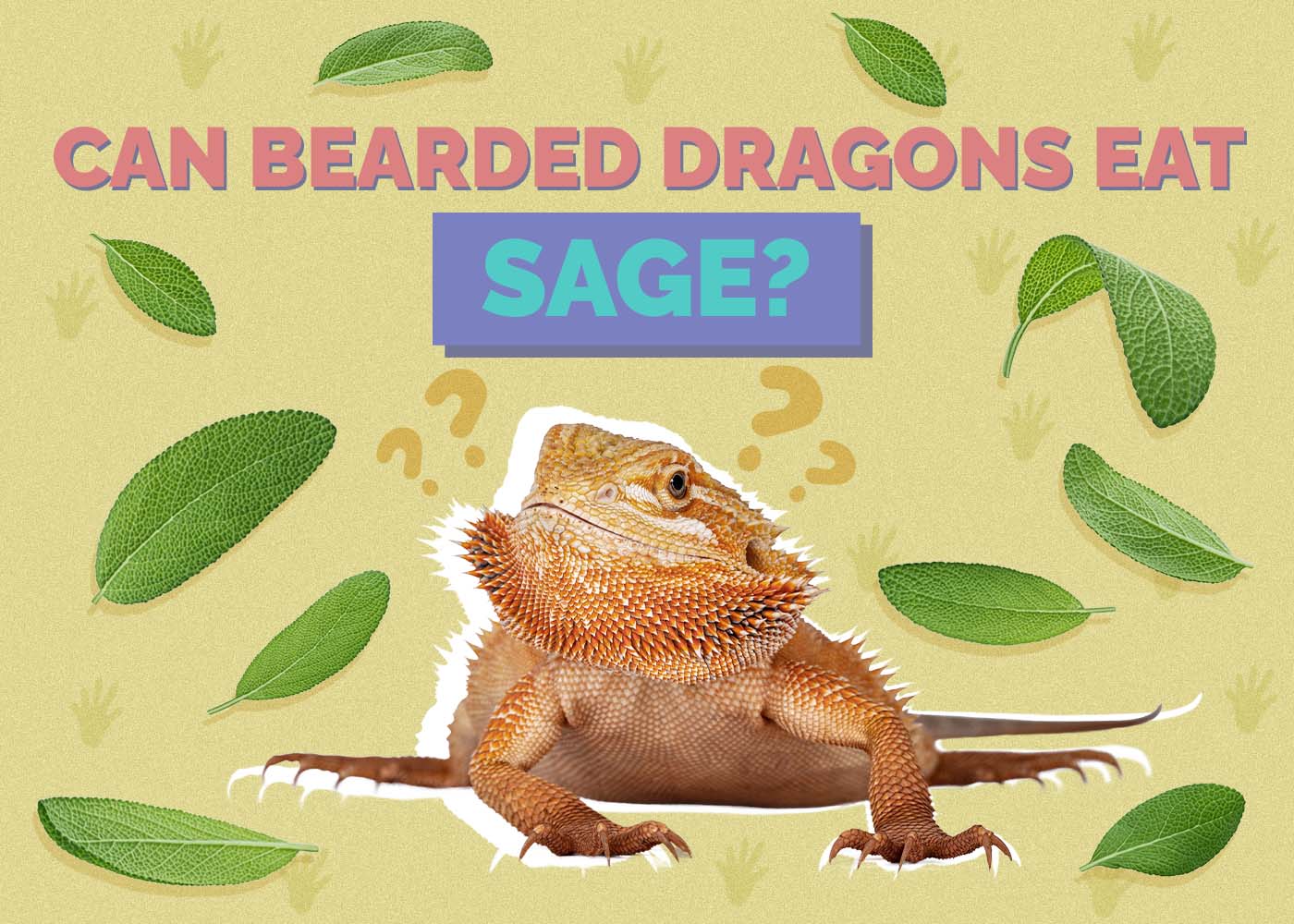
Can Bearded Dragons Eat Sage? Vet-Reviewed Nutrition Facts & FAQ


In this article
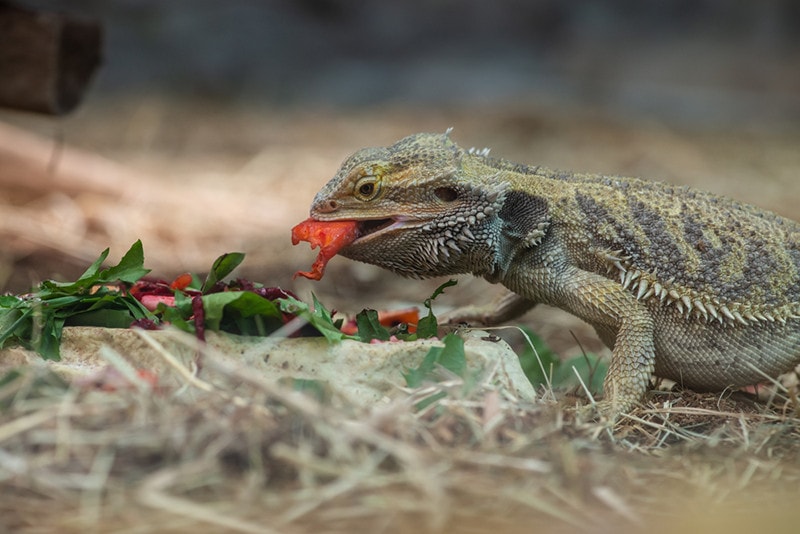
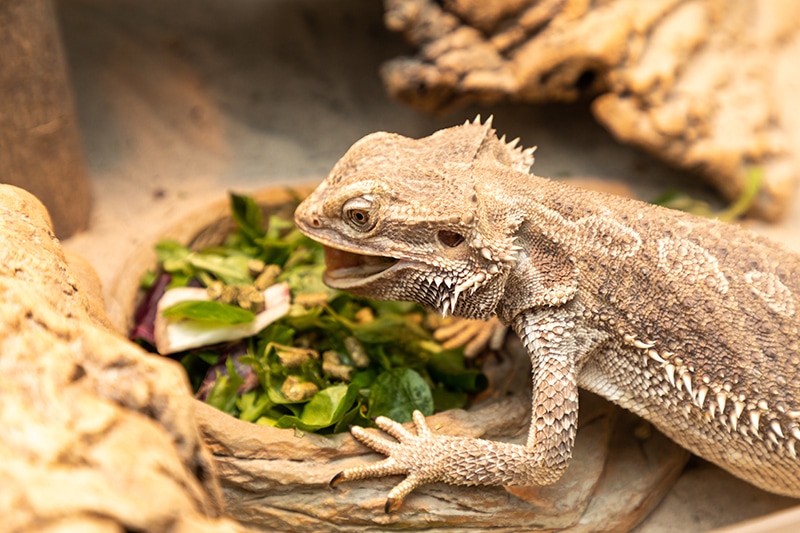
Bearded Dragons are omnivores that, in the wild, eat a combination of insects and plant matter. As pets, they are ideally given similar insects to those eaten in their natural habitat, as well as greens and vegetables. Insects may be gut-loaded (fattened up) and supplements can be added to their food to ensure that they are given a complete and balanced diet. Beardies can also be given some fruits, herbs, and plants as occasional treats. These treats may be unhealthy when fed in too large a quantity, or they do not contain enough of certain nutrients for them to safely constitute a large portion of the animal’s diet but are still safe in moderation.
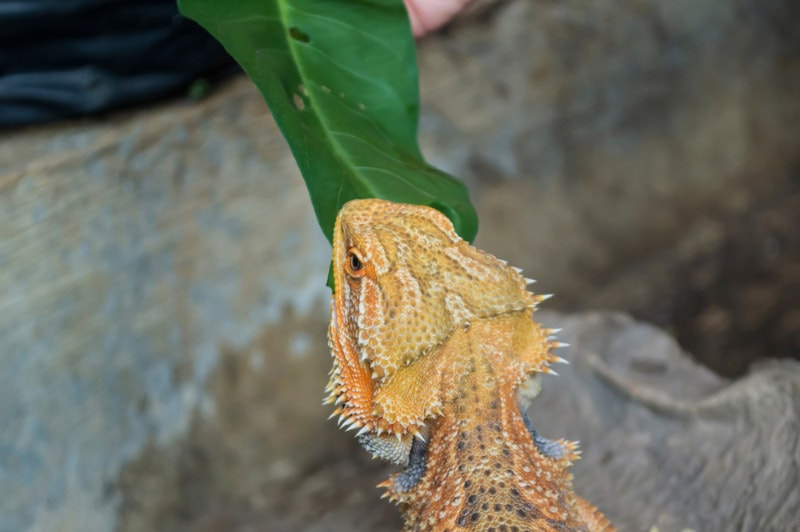
Sage is considered a safe treat to feed Bearded Dragons. It can be given every week or so, but it should not make up a large portion of your lizard’s diet.
Read on for more information on Bearded Dragons’ diets and whether they can safely be given sage as a treat.

Bearded Dragon Diet
In the wild, Bearded Dragons eat a diet consisting primarily of insects and plants. The exact foods they eat are determined by their habitat and, as pets, we should aim to closely mimic their wild diet to ensure that they get all the nutrients and goodness they require. Young Beardies will eat a diet that primarily consists of insects but, as they age, this will reverse, so that the majority of an adult’s diet is made up of plant matter with a small amount of insects, by weight, at least.
With 80% of their diet coming from plants, most of this should consist of greens and some other vegetables. Approximately 5-10% of the plant element of their diet can be made up of fruit and other plants.

Is It Safe to Feed Sage?
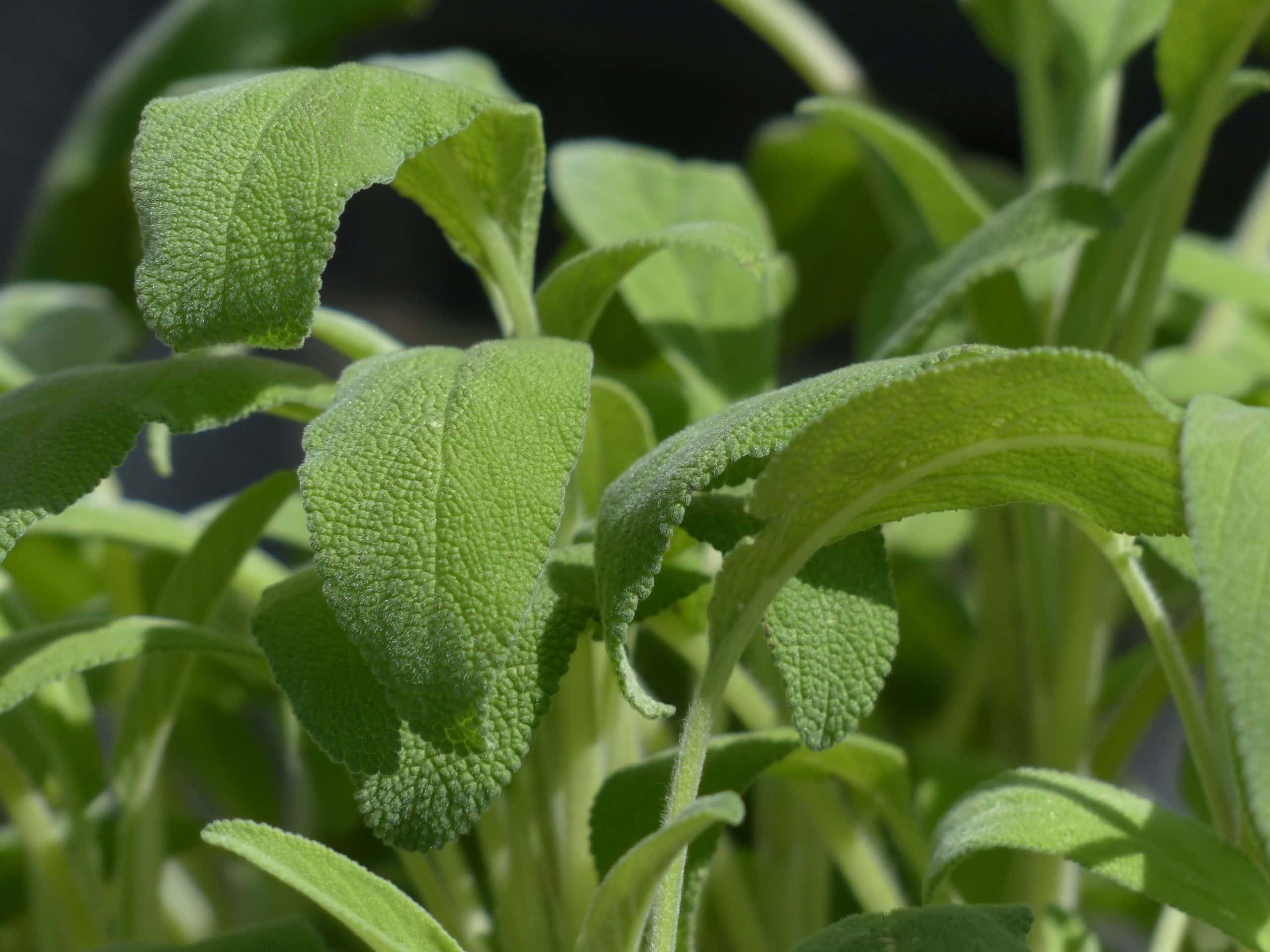
Bearded Dragons can eat some herbs, including sage. Sage is not toxic to Beardies and is a safe treat. The calcium-to-phosphorus ratio is one of the most important factors when designing a diet for your Beardie. Overall, your Beardie needs between one and a half and two times as much calcium as phosphorus. This is because phosphorus binds to calcium, effectively rendering that portion of the calcium useless. Too much phosphorus, compared to calcium intake, can lead to a calcium deficiency which, in turn, can cause brittle bones and even deformities of the limbs.
The target ratio is 2 parts calcium to 1 part phosphorus. Sage has a ratio of more than 18:1 so it is certainly an excellent source of calcium, and can be especially beneficial if your Beardie is not getting enough calcium from other sources. However, too much sage can cause stomach upsets and diarrhea, so we recommend that sage only be fed every couple of weeks.
What Greens Can I Give My Bearded Dragon?
Greens that are high in calcium and relatively low in phosphorus, as well as those that are low in oxalates while being nutrient dense are the best greens. Examples include kale or collard greens, which have a very high calcium-to-phosphorus ratio; cactus pads, with a high level of vitamin C and antioxidants; and mustard greens, which are also high in calcium and offer vitamins A, C, and K.
The FoodData Central page is a great place to check the nutrient values of various foods, using the SR Legacy Foods tab.
Conclusion
Bearded Dragons make fascinating pets. They tend to tolerate handling and they have some unusual quirks and habits that make them fun to watch and interact with. One of the key aspects of ensuring your Bearded Dragon pet is healthy and fit is to provide a healthy and balanced diet. This diet will consist of a combination of live insects, leafy greens, and vegetables. You can also incorporate some fruit, herbs, and plants, but these should be given only as a treat and fed sparingly.
Sage is one of the healthier herbs you can feed in terms of its high calcium-to-phosphorus ratio, but it can cause stomach upsets so it should not form a significant part of their diet.
Related Reads:
Sources
https://beardeddragoncare.info/can-bearded-dragons-eat-sage/
https://reptilesblog.com/can-bearded-dragons-eat-sage/?utm_content=cmp-true
https://beardeddragonsociety.com/can-bearded-dragons-eat-sage/
https://dragonsdiet.com/blogs/dragon-care/best-greens-for-bearded-dragons
https://dragonsdiet.com/blogs/dragon-care/can-bearded-dragons-eat-carrots
https://dragonsdiet.com/blogs/dragon-care/can-bearded-dragons-eat-tomatoes
Featured Image Credit: JumpStory
Get Hepper In Your Inbox


Pet care tips from our vets and experts, straight to your inbox.
You may opt-out at any time. View our Privacy Policy for more information.
Nicole is a lover of animals of all sizes but is especially fascinated with the feline variety. She’s the proud mom of Baby, a Burmese, and works every day so he can relax in the sunshine or by the fire. She’s always had a cat in her home and has spent countless days with others, observing behaviors and softening up even the grouchiest of the lot. Nicole wants to share her kitty expertise with you so you and your cat can live happy, healthy, and care-free.
Join the conversation
Ask a question, share your story, or send private feedback.