Hepper is reader-supported. When you buy via links on our site, we may earn an affiliate commission at no cost to you. Learn more.
Can Bearded Dragons Eat Clovers? Vet Approved Facts & FAQ


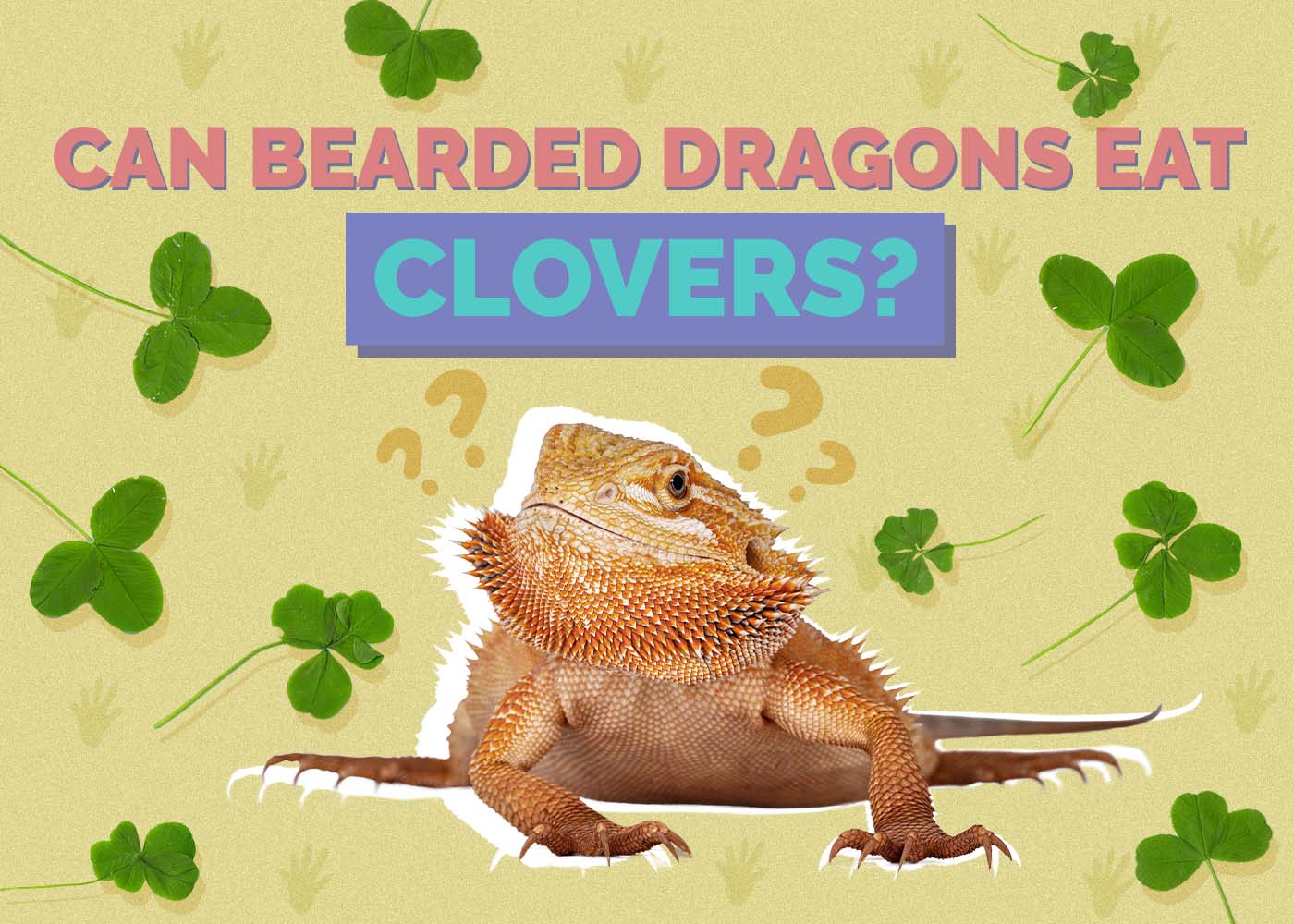
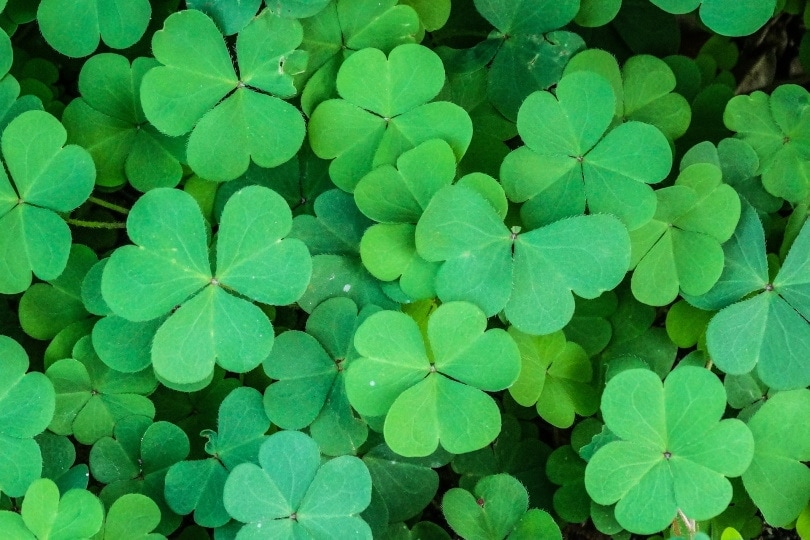
The humble clover has long been a symbol of good luck, but just how lucky is it if your Bearded Dragon munches on these greens? Bearded Dragons can eat clovers; in fact, they’re a popular green of choice for feeding, but only pesticide-free clovers should be fed.
In this guide, we’ll dive into this further and share what a healthy Beardie’s diet looks like.

Are Clovers Safe for Bearded Dragons?
Yes, clovers are safe for Beardies as long as they haven’t come into contact with pesticides. This can make things tricky if you’re unsure whether or not pesticides have been used in the area where the clovers are. In this instance, we’d say don’t take the risk and stick to plant matter that you know for sure is free of pesticides.
That said, if you’ve got some clover that you’re sure is pesticide-free, feel free to let your Beardie munch away! Experts—including vets at VCA Animal Hospitals and the RSPCA—recommend feeding clover along with several other greens and veggies.
What Do Bearded Dragons Eat?
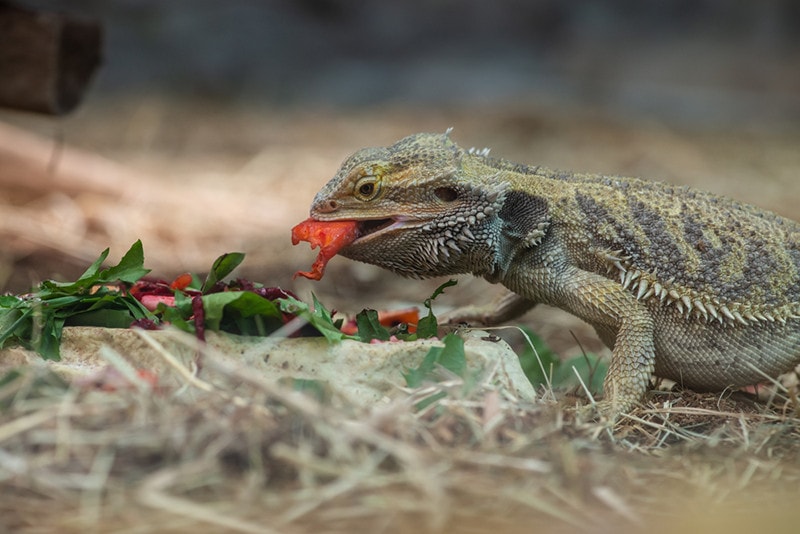
As omnivores, Bearded Dragons eat a diet that consists partly of plant matter and partly of animal matter. Their protein comes from live invertebrates like crickets, and they also eat a wide variety of greens. The ratio of live food to plant matter changes depending on how old your beardie is—while juveniles eat more insects due to the need for more protein, adult Beardies enjoy a diet heavier in plant matter.
As a basic guideline, young Bearded Dragons eat around 65% live food and 35% greens. Older Beardies’ diets are more around the 50/50 mark. It’s wise to talk this through with your vet to ensure your Beardie’s ratio of animal matter to plant matter is just right for their age.
Food should be dusted lightly with a vet-approved, phosphorus-free calcium powder, as calcium is a very important mineral for beardies. Beardies also need vitamin D3 supplements. We’d also recommend talking to your vet about this because the amount of calcium and D3 you should offer depends on your Beardie’s age and health condition.
Greens and Vegetation
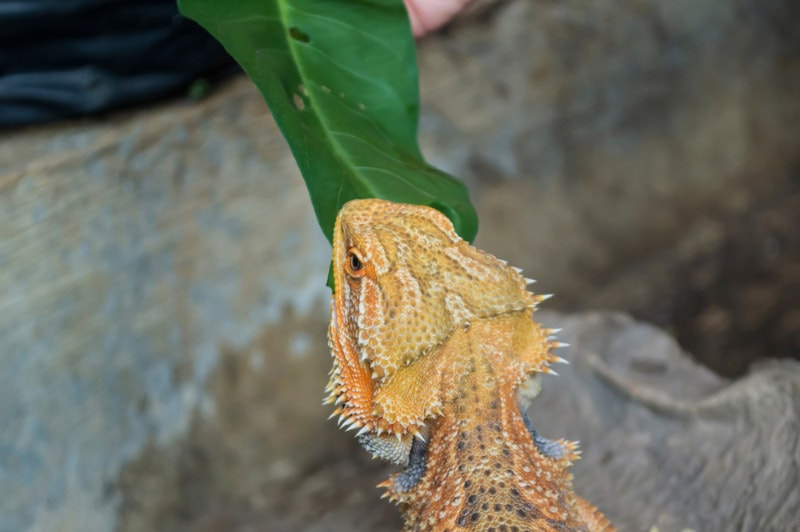
The good news is that you’ll be spoiled for choice when it comes to offering greens to your Beardie because there are so many safe options. Greens should be rotated regularly to offer plenty of variety.
Some of the best greens and vegetables for Bearded Dragons include:
Veggies to Be Fed More Sparingly
Some veggies are okay for Bearded Dragons but are best fed in moderation. One example is cabbage because it contains goitrogens, and when fed in excess this can cause issues with the thyroid.
Other veggies to feed more moderately include:
Animal-Based Proteins
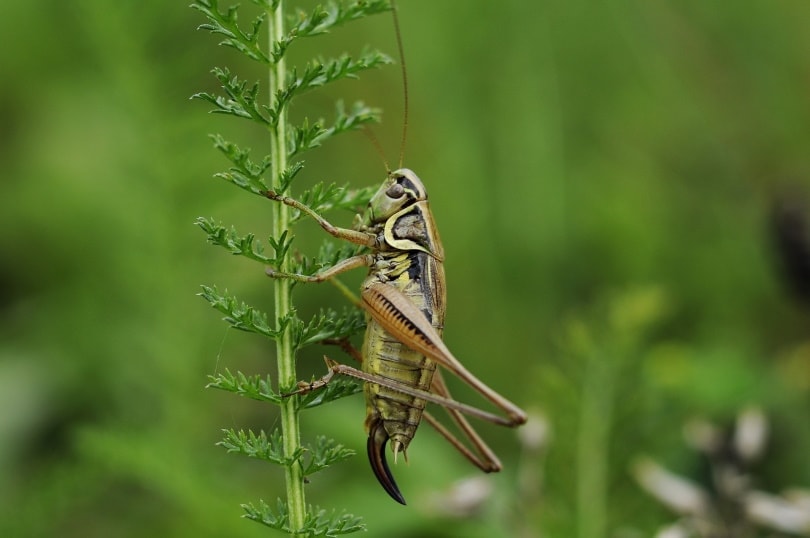
In addition to plant matter, Bearded Dragons eat a wide variety of live foods. It’s best to acquire live insects from reputable sources (breeders or reptile stores) rather than collecting them from outdoors, as wild bugs could be coated in pesticides.
Live foods for Bearded Dragons include:
Conclusion
Clovers are fine for Bearded Dragons as long as they haven’t been affected by pesticides. That said, it can be tricky to get a Beardie’s diet just right, so it’s important to get an expert’s advice.
When you bring a Bearded Dragon home, one of the first things you should do is make an appointment with a vet who has experience with reptiles. Your vet can talk you through Bearded Dragon nutrition and advise you on the best kinds of foods for your dragon in particular.
Sources
Featured Image Credit: bairli1, Pixabay
Get Hepper In Your Inbox


Pet care tips from our vets and experts, straight to your inbox.
You may opt-out at any time. View our Privacy Policy for more information.
Kit Copson is a freelance writer and lifelong animal lover with a strong interest in animal care. She has parented various furry beings over the years and is currently a proud cat mom of two—one skittish but adorable Domestic Shorthair and very chilled (unless hungry) Siamese and a —and dog mom of one—an adopted Bichon Poodle cross. When not writing about or spending time with pets, Kit can be found doodling in her sketchpad, reading, or more often than not, drinking tea.
Join the conversation
Ask a question, share your story, or send private feedback.