Hepper is reader-supported. When you buy via links on our site, we may earn an affiliate commission at no cost to you. Learn more.
Can Bearded Dragons Eat Escarole? Vet-Approved Benefits, Tips, & FAQ



In this article
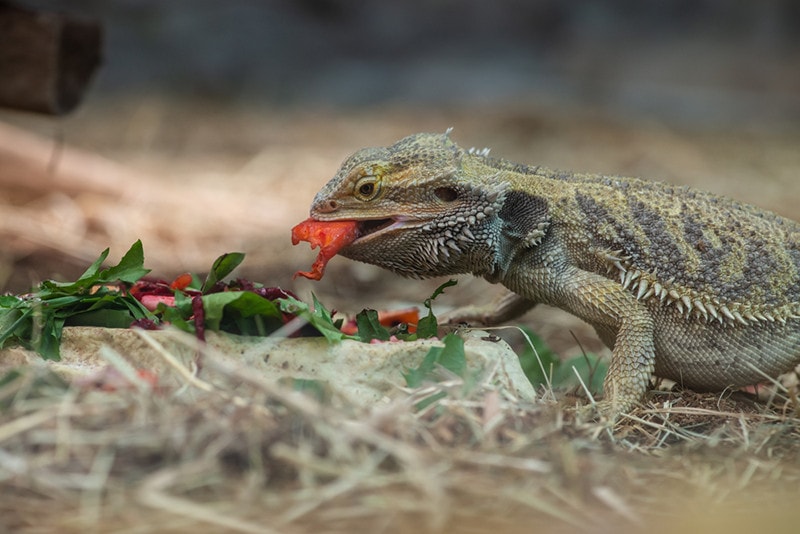
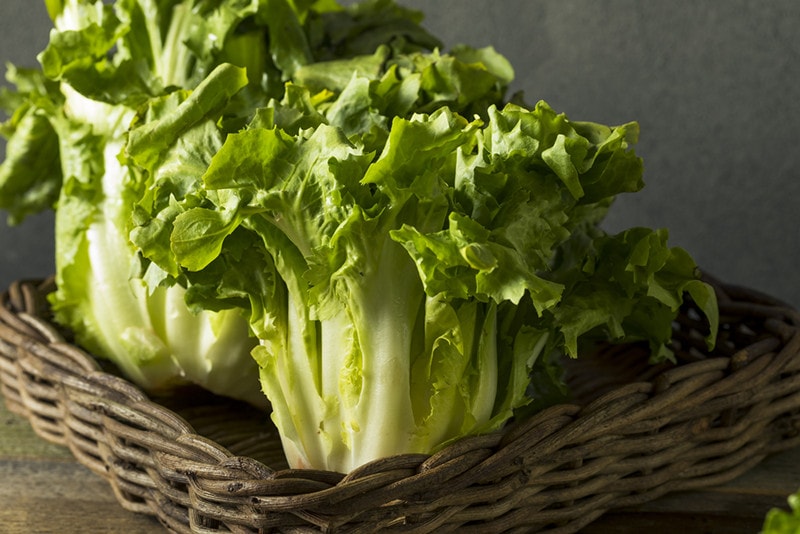
Escarole (Cichorium Endivia var Latifolium) is a leafy green vegetable that belongs to the chicory family. It's known for its broad, pale green leaves and a slightly bitter taste and is related to endive. This nutrient-rich vegetable is packed with vitamins and minerals, making it a healthy addition to many diets. But how about for bearded dragons? After all, we know that bearded dragons can eat some fruits and vegetables. Is escarole a good choice for their diet? The quick answer is yes; bearded dragons can indeed eat escarole.

Can Bearded Dragons Eat Escarole?
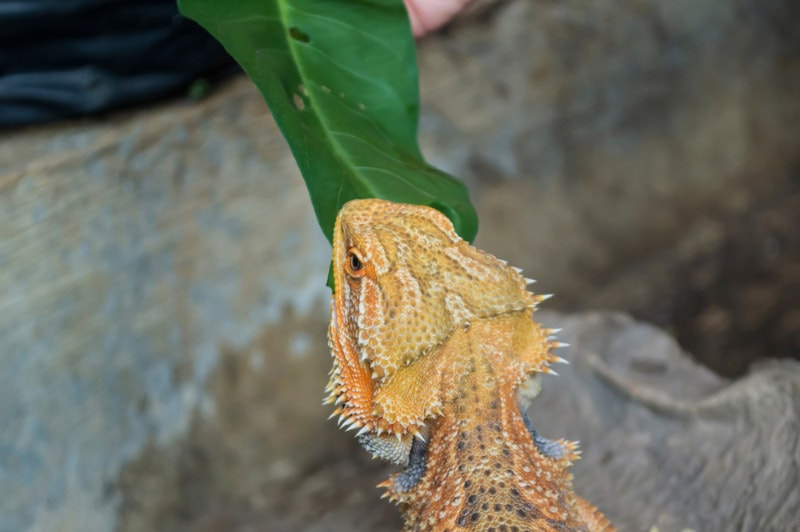
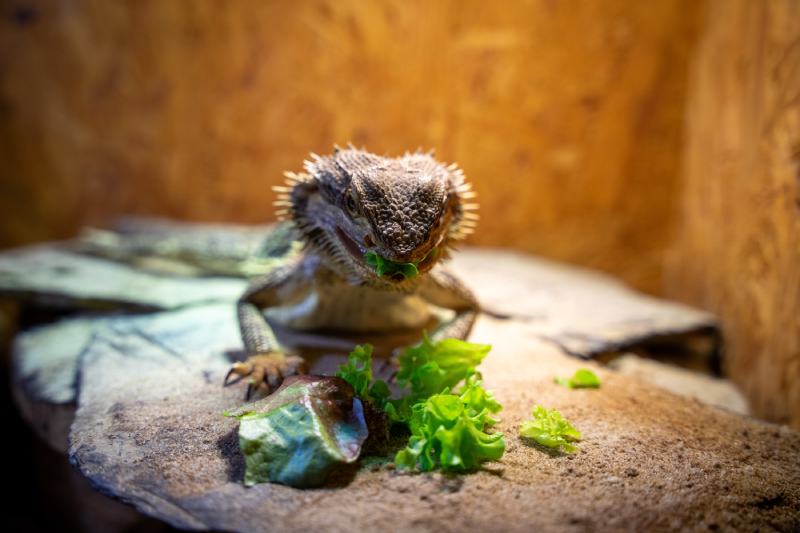
Bearded dragons can safely consume this leafy green. However, there are a few things to keep in mind.
While escarole can be part of their diet, it should be given only occasionally and not as a staple food. This is because escarole has a moderate oxalate content. Also, when feeding your bearded dragon escarole, ensure it is fresh and well-rinsed to remove any potential pesticides or chemicals.
The Nutritional Benefits of Escarole for Bearded Dragons
Vitamins and Minerals
Escarole is a nutritionally rich vegetable that provides a plethora of essential vitamins and minerals to your bearded dragon. This leafy green is packed with immune-boosting vitamins A, C, and K. These vitamins play a critical role in maintaining good vision, skin health, and blood clotting mechanisms.
Dietary Fiber
In addition to these vitamins, escarole also provides dietary fiber which aids in digestion and helps prevent constipation in bearded dragons.
Potassium and Calcium Content
Escarole contains minerals like potassium and calcium. Potassium plays a vital role in nerve function and muscle health, while calcium is crucial for bone development and strength. Calcium should be present in higher quantities than phosphorus to maintain reptile health.
Potential Risks of Feeding Escarole to Bearded Dragons
Oxalate Content
Despite its many benefits, escarole also comes with potential risks due to its moderate oxalate content. Oxalates are compounds that can bind to calcium, forming crystals that cannot be absorbed by the body. This could potentially lead to calcium deficiency, causing serious health issues such as metabolic bone disease.
Combating Oxalate Risks with Calcium-Dense Greens
To mitigate this risk, it's recommended to pair escarole with calcium-dense greens such as mustard or turnip greens and to feed it only on occasion. These foods have a high calcium content that can balance out the calcium-to-oxalate ratio, ensuring your bearded dragon receives the right amount of calcium necessary for their health.
Importance of a Varied Diet
Too much of any single type of food can lead to nutrient imbalances. Variety is key when feeding your bearded dragon. By offering them a mix of different vegetables, fruits, and proteins, you can ensure they receive a well-rounded diet that caters to all their nutritional needs. Bearded Dragons are omnivorous species and need a balance of protein (mostly insects) and vegetable sources.
Alternatives to Escarole
While escarole is undoubtedly a beneficial addition to your bearded dragon's diet, it's crucial to keep the menu diverse. A variety in diet not only ensures your pet gets a wide range of nutrients but also keeps them interested in their food. Here are some other safe and nutritious options you can consider:
Watercress
Watercress is an excellent alternative to escarole. It's packed with vitamins A, C, and K, and offers a higher amount of calcium. Watercress also contains lower levels of oxalates compared to escarole, making it a safer option for regular feeding.
Dandelion Leaves
Dandelion leaves are another great choice for your bearded dragon. These leaves are rich in vitamins A and C, and also provide a good amount of calcium. They're usually well-liked by bearded dragons due to their slightly bitter taste, similar to escarole.
Kale
Kale is a nutrient-dense leafy green that's safe for your bearded dragon to consume. It's high in vitamins A, C, and K, and is a good source of calcium. However, like escarole, kale also contains moderate levels of oxalate, so it should be balanced with other low-oxalate foods.
Other Greens
Other greens you can consider include mustard greens, collard greens, and turnip greens. These are all high in calcium and contain various vitamins necessary for your bearded dragon's health.
Remember, each of these leafy greens has different vitamin and calcium contents, so rotating them in your pet's diet ensures they receive a balanced mix of nutrients.
Always introduce new foods gradually and observe your bearded dragon's response to ensure they digest it well. If you notice any adverse reactions, it's best to remove that food from their diet and consult with a vet.
Tips for Feeding Your Bearded Dragon
- Variety Is Key: Just like humans, bearded dragons thrive on a varied diet. Mix in different types of vegetables, fruits, and proteins to provide a range of nutrients.
- Balance Greens With Proteins: A balanced diet for adult bearded dragons should consist of 80% plant-based food and 20% protein. Adjust this ratio for younger dragons that need much more protein.
- Size Matters: The size of the food should never be larger than the space between your bearded dragon's eyes. Larger pieces can lead to choking or digestive issues.
- Hydrate Them: While bearded dragons get most of their water from their food, they still need fresh water available at all times.
- Avoid High Oxalate Foods: Foods high in oxalates, like spinach and beet greens, can cause calcium deficiencies and should be avoided.
- Moderation With Fruits: Fruits should make up only a small portion of your bearded dragon's diet due to their high sugar content.
- Wash All Food: Always wash fruits and vegetables thoroughly to remove any pesticides or chemicals.
- Avoid Lettuce: Despite being a green, lettuce is nutritionally poor and should not be a part of your bearded dragon's diet.
- Feed Insects Too: Insects like crickets, mealworms, and roaches are good protein sources for your bearded dragon. Make sure they are not wild-caught to avoid parasites.
- Monitor Their Health: Always keep an eye out for changes in your bearded dragon's behavior or appearance after introducing new foods. If you notice anything unusual, consult with a vet.
Other FAQs About Escarole for Bearded Dragons
What is the best way to prepare escarole for my bearded dragon?
Always rinse escarole thoroughly to remove any potential pesticides or chemicals. You can then tear it into small, manageable pieces for your dragon.
Can baby bearded dragons eat escarole?
Yes, baby bearded dragons can eat escarole, but it should be given in smaller quantities and less frequently than to adult dragons.
Does escarole need to be cooked before feeding it to a bearded dragon?
No, escarole does not need to be cooked. In fact, it's healthier for your dragon if served raw as cooking can diminish its nutritional value.
Can I feed my bearded dragon escarole every day?
While it's safe for bearded dragons to eat escarole, it's not recommended to feed them this green every day due to its moderate oxalate content.
Conclusion
Bearded dragons can eat escarole, but it should be part of a balanced and varied diet. Always remember to monitor your pet's health and behavior after introducing any new food into their diet. If you notice any adverse reactions, it's best to consult with a vet. Happy feeding!
Sources
Featured Image Credit: Brent Hofacker, Shutterstock
Get Hepper In Your Inbox


Pet care tips from our vets and experts, straight to your inbox.
You may opt-out at any time. View our Privacy Policy for more information.
Nicole is a lover of animals of all sizes but is especially fascinated with the feline variety. She’s the proud mom of Baby, a Burmese, and works every day so he can relax in the sunshine or by the fire. She’s always had a cat in her home and has spent countless days with others, observing behaviors and softening up even the grouchiest of the lot. Nicole wants to share her kitty expertise with you so you and your cat can live happy, healthy, and care-free.
Join the conversation
Ask a question, share your story, or send private feedback.