Hepper is reader-supported. When you buy via links on our site, we may earn an affiliate commission at no cost to you. Learn more.
Can Bearded Dragons Eat Thyme? Vet-Reviewed Nutritional Facts & FAQ


In this article
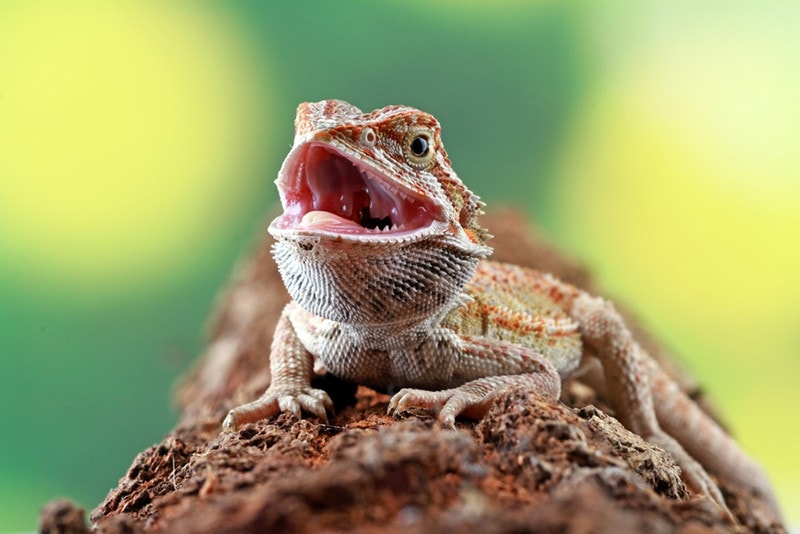
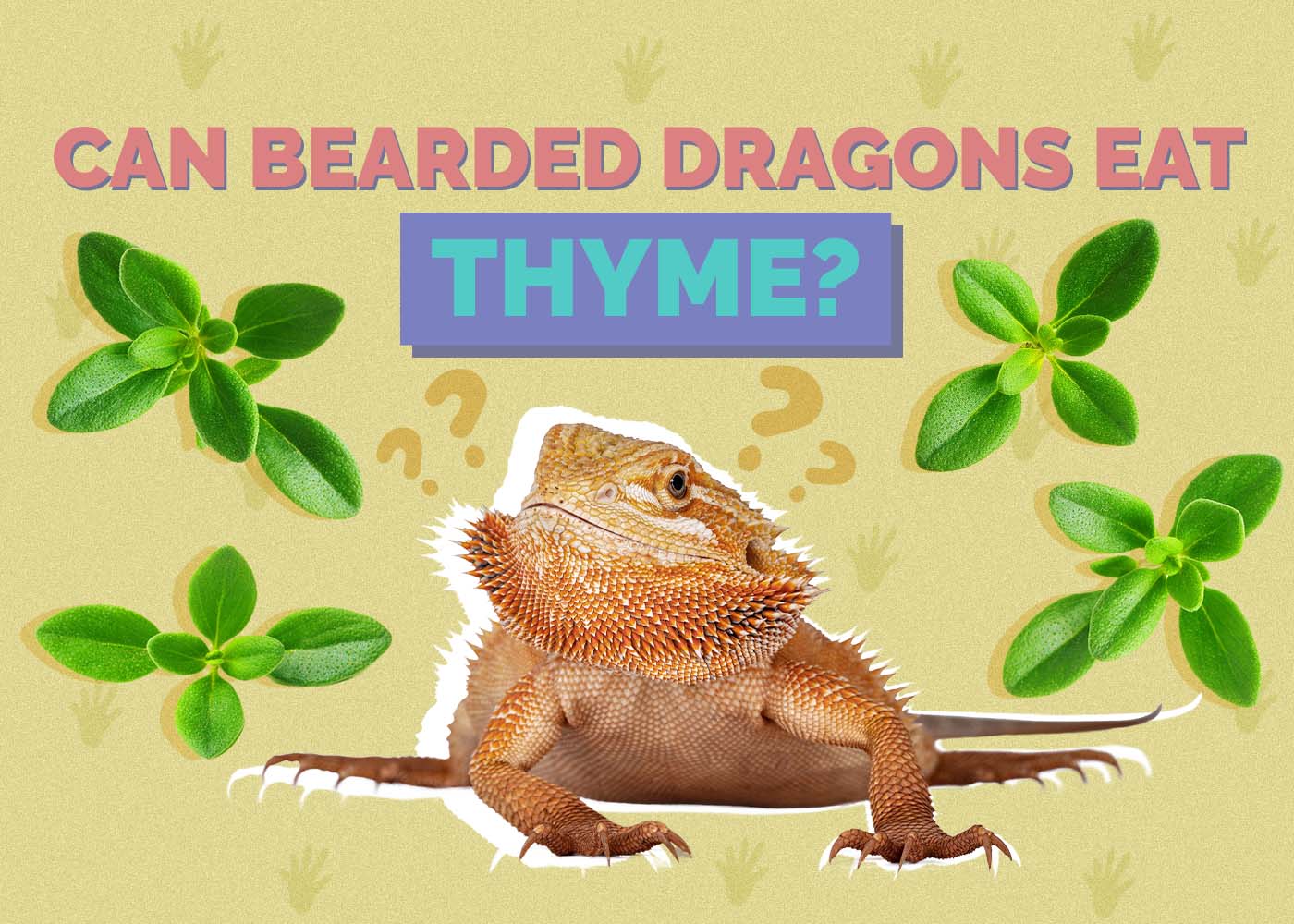
Bearded Dragons are native to Australian deserts, where food options can be quite limited, so they have learned to adapt their diet to stay alive. Pet Bearded Dragons will also accept a wide variety of foods, but it’s important to know what is safe for them to eat. For example, Bearded Dragons can eat the popular herb thyme as part of a balanced diet.
Keep reading to learn more about including thyme in your Bearded Dragon’s diet, along with additional guidance about what they should (and shouldn’t) eat.

How to Include Thyme in Your Bearded Dragon’s Diet
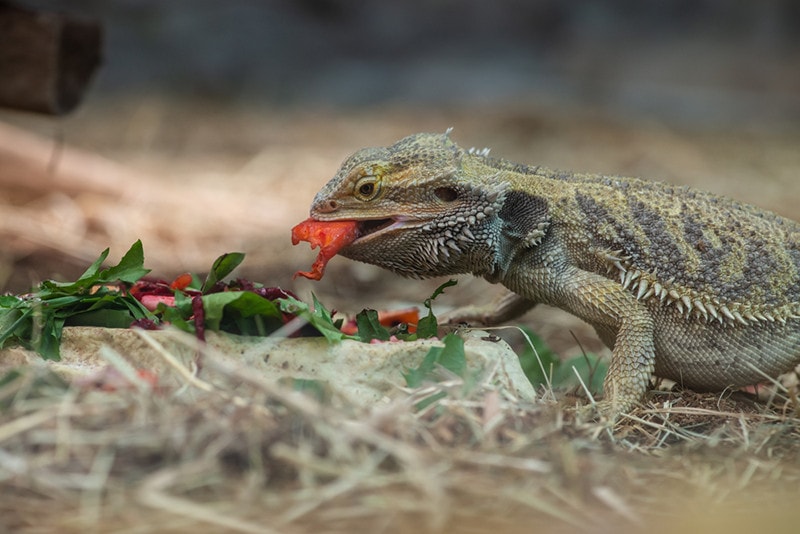
Bearded dragons are omnivores in the wild, and pet lizards should also eat a mix of plant and animal food sources. Young Beardies need more animal protein than adults, but your vet can help you formulate the right combination for your pet’s needs.
No matter how much of a Bearded Dragon’s diet is plant matter, about 80%–90% of that should be leafy greens, other vegetables, and flowers. You should rotate the plants you feed, including herbs like thyme, to provide as many nutrients as possible.
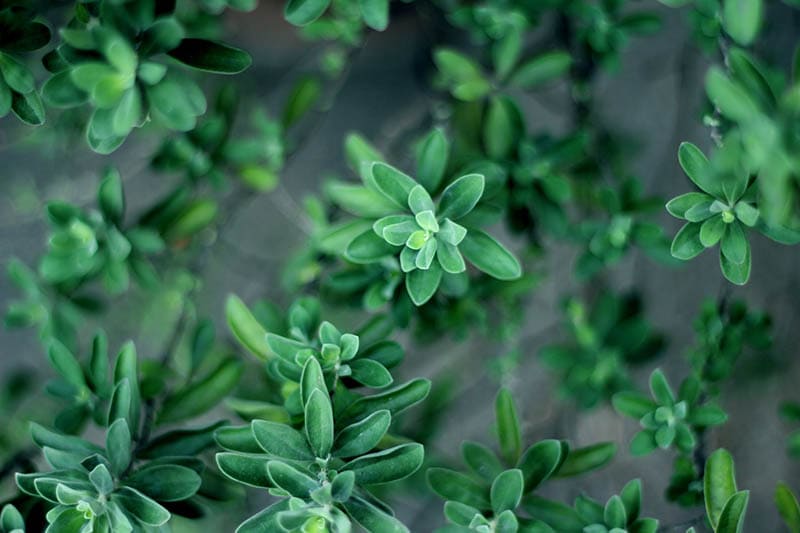
Make sure the fresh thyme is washed thoroughly before feeding. It’s easiest to chop all the vegetables (and fruit) you feed into bite-sized pieces, and mix them into a “salad.” This reduces the risk that your pet will only pick out the tastiest morsels and ignore the rest. Thyme leaves are tiny and don’t need to be chopped, but be sure to remove the stems.
Which Plants Can Bearded Dragons Eat?
Bearded dragons can eat most vegetables, but a few should be limited due to potential health concerns (more on that later.) They can also eat various fruits but should be restricted to 10%–20% of their daily diet because they are high in sugar. Several flower species can also be offered as treats.
Many other fruits, vegetables, and plants can safely be fed to your Bearded Dragon. Talk to your veterinarian if you have questions about whether an item is okay to feed.
Potential Health Concerns with Some Vegetables
Some vegetables, such as beet greens, Swiss chard, and spinach, contain high levels of oxalates. Oxalates can interfere with how the Bearded Dragon absorbs calcium, leading to nutritional concerns. Feed these vegetables only in limited quantities.
Kale, mustard greens, and cabbage (red or green) contain other substances, goitrogens, that impact the proper function of the Bearded Dragon’s thyroid gland. Feeding too many of these vegetables may cause hypothyroidism or low thyroid hormone levels.

Which Animal Foods Should Bearded Dragons Eat?
Bearded dragons also need animal protein, but the exact amount varies by age and species. Live prey is ideal because the Bearded Dragon hunts for insects in the wild.
Suggested animal foods include:
Purchase live food from a pet or reptile supply store or raise your own. Don’t collect insects from outside since they have often absorbed chemicals that may be dangerous to your Bearded Dragon. It’s best to gut-load live food about 12 hours before feeding.
Bearded dragons sometimes need calcium and vitamin supplements added to their food. Your vet can help you decide which products to use and how often to give them.
Conclusion
Bearded dragons can safely eat thyme as part of a rotation of other vegetables and plant-based foods. If you have a green thumb, why not grow your thyme and other herbs to feed your Bearded Dragon? Just make sure to avoid using pesticides or chemical fertilizers if you do. Bearded dragons are charming and easy-to-care-for reptiles that make excellent pets. Choosing the proper diet will help ensure your Beardie stays healthy and happy for a long time (thyme?).
See Also: Can Bearded Dragons Eat Green Pepper?
Sources
Featured Image Credit: Kasia Gajek, Unsplash
Get Hepper In Your Inbox


Pet care tips from our vets and experts, straight to your inbox.
You may opt-out at any time. View our Privacy Policy for more information.
A lifelong lover of all creatures great and small, Elizabeth got her first cat at 5 years old and at 14, she started working for her local veterinarian. After spending more than 20 years working as a veterinary nurse, Elizabeth decided to step away to become a stay-at-home parent to her daughter. Now, she is excited to share her knowledge with our pet parents. Elizabeth lives in Iowa with her family, including her two fur kids, Linnard, a husky mix and Algernon, the worldʻs most patient cat. When not writing, she enjoys reading, watching soccer, and spending time outdoors with her family.
Join the conversation
Ask a question, share your story, or send private feedback.