Hepper is reader-supported. When you buy via links on our site, we may earn an affiliate commission at no cost to you. Learn more.
Can Dogs Eat Daikon? Vet Reviewed Facts & FAQ



In this article
If you've fallen in love with the sharp, sweet taste of daikon radishes, you may wonder if sharing a bit with your dog is safe. Plain daikon is fine for dogs to consume. The radishes make great doggie treats when served in moderation, as they're low in fat and calories yet full of nutrients such as potassium, calcium, and magnesium.
However, some dogs don't like the slightly sharp and tangy taste of radishes. Meals featuring daikon may or may not be safe for your dog; it depends on the dishes' other ingredients.

What Is Daikon?
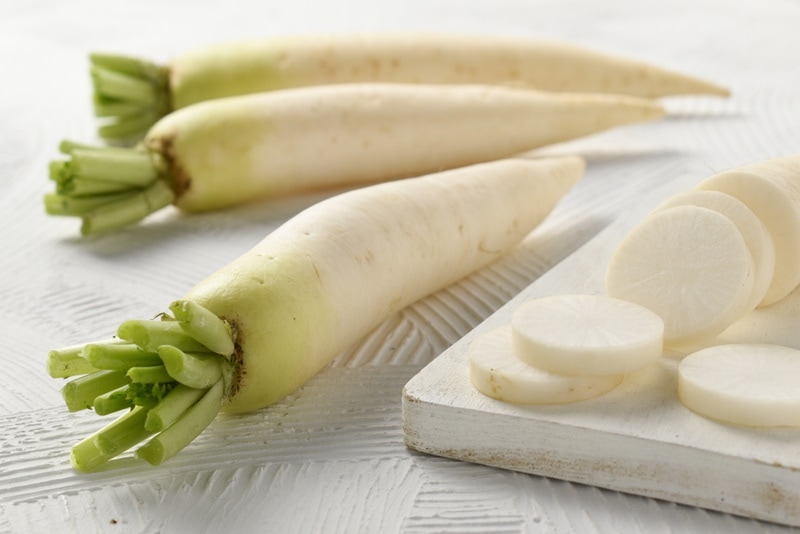
Daikons are winter radishes native to East and South Asia, but they're now grown almost everywhere. The long white radish is often featured in Japanese, Indian, and Chinese cuisine. It's used as a topping with pickled carrots on Vietnamese bánh mì sandwiches. Daikon can be chopped, shredded, pickled, boiled, or eaten raw. A 100-gram serving contains around 18 calories and almost no fat.1
Dogs can safely consume plain raw, cooked, or boiled daikon prepared in a canine-friendly way. Chop raw radishes into bite-sized pieces to keep your pet from choking. And remember to treat daikon as an occasional treat, as too much may cause your dog to have an upset tummy. It's best to avoid allowing your pet to consume human dishes, including those featuring tasty daikon radishes.
Which Nutrients Do Dogs Need to Be Healthy?
Dogs require six basic nutrients- proteins,carbohydrates,fats,minerals, vitamins and water. All are needed as part of their regular diet and essential for their bodies to function properly. The amounts of these nutrients that are required will depend on a dog’s age, activity level, size and whether they are pregnant or lactating.
Generally, the easiest way to ensure your pet gets the nutrition they require is to feed them brands featuring an American Association of Pet Feed Control Officials (AAFCO) certification of nutritional adequacy and to speak to your vet for advice on the best nutrition for your individual dog.
Keeping dogs’ weight under control is essential for their overall health and well-being. More than 50 percent of North American dogs weigh too much.2 Obesity is the most common preventable disease seen by many veterinarians. Carrying too much weight may increase dogs' risk of developing chronic conditions such as osteoarthritis, high blood pressure, and heart disease.
Pet food almost always has feeding information printed on the packaging. Spend some time determining how much food your dog needs, and consider using a measuring cup or weighing the food to prevent under or over-feeding. The Manufacturer's feeding instructions are general guidelines, so your dog may need to eat more or less depending on factors such as its age and activity level.

Why Shouldn't Dogs Eat Human Food?
While it's fine for dogs to have a bite of plain uncooked or cooked daikon, it's generally best to avoid allowing pets to enjoy human food. Many dishes prepared to suit human preferences feature salt, sugar, and other ingredients that aren't good for dogs. Human cuisine also presents problems because of the variety of ingredients in most dishes, some of which, such as onions and garlic, can be toxic to dogs.
It's often difficult to tell if a dish contains an ingredient you should be concerned about, and it can be challenging to determine how much a pet has consumed. Most veterinarians recommend that pet owners avoid sharing human food with dogs.
Are There Some Human Foods Dogs Can Eat?
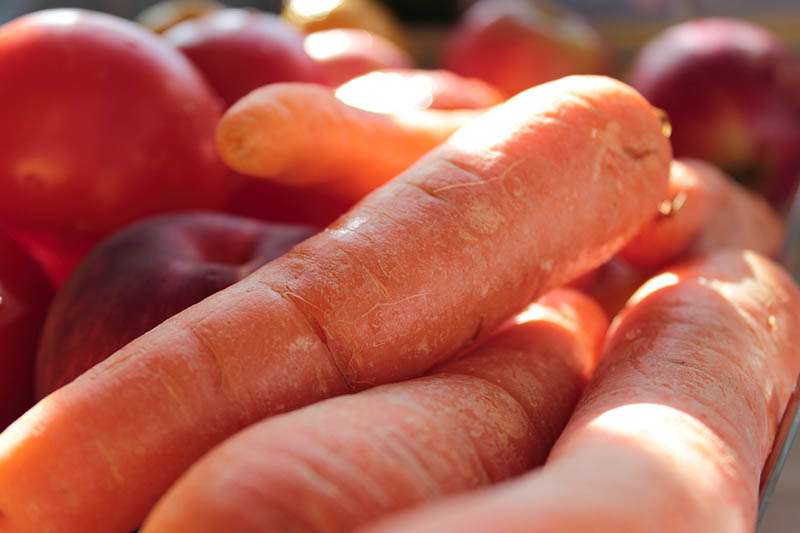
Dogs should stay away from dishes prepared for people, especially when they’re not made in your kitchen. But your companion can safely enjoy beef, eggs, chicken, and turkey unless they have any food allergies to these protein sources. They can also eat sweet potatoes, broccoli, green beans, and carrots. Dogs that enjoy sweet treats can safely consume bananas, blueberries, and oranges in moderation.
When preparing canine-friendly beef, turkey, chicken, or fish dishes, keep the recipe plain. Avoid adding broth, salt, or other seasonings, and remove any bones. Dogs can enjoy vegetables such as green beans, either raw or cooked. Starchy options such as sweet potatoes should always be thoroughly cooked. Bananas and oranges should be peeled before being given to dogs.
While properly-prepared canine-friendly human foods can be great additions to your dog's diet, they should be considered treats. Treats should only make up about 10% of your dog's diet to ensure it gets all the nutrients without exceeding its caloric requirements.

Conclusion
Daikon radishes are nutritious and safe for dogs to eat. While radishes are okay for dogs to eat as treats, they should only be consumed in limited portions to ensure your pet gets all the nutrients they require. To be safe, avoid letting your companion snack on prepared meals featuring radishes. They may contain hazardous ingredients, such as garlic and onions, that are life-threatening. It’s best to cut raw or cooked daikon into cubes or slices to make it easy for your pet to snack on.
Sources
https://www.msdvetmanual.com/multimedia/table/aafco-nutrient-requirements-for-dogs
https://www.petmd.com/dog/nutrition/What-Is-AAFCO-and-What-Does-It-Do
https://www.petmd.com/dog/nutrition/evr_dg_whats_in_a_balanced_dog_food
https://www.metlifepetinsurance.com/blog/pet-care/7-foods-to-cook-for-your-dog/
https://www.humanesociety.org/resources/plants-and-food-can-be-poisonous-pets
Get Hepper In Your Inbox


Pet care tips from our vets and experts, straight to your inbox.
You may opt-out at any time. View our Privacy Policy for more information.
Lorre Luther a reformed lawyer from the United States, she moved to the Netherlands to follow her dream and become a writer. Currently living in Rotterdam, Lorre enjoys traveling and reveling in the astonishing beauty of our planet. As an animal lover, Lorre is convinced that cats are smarter than humans.
Join the conversation
Ask a question, share your story, or send private feedback.