Hepper is reader-supported. When you buy via links on our site, we may earn an affiliate commission at no cost to you. Learn more.
Can Turtles Flip Themselves Over? Facts & Safety Guide
In this article
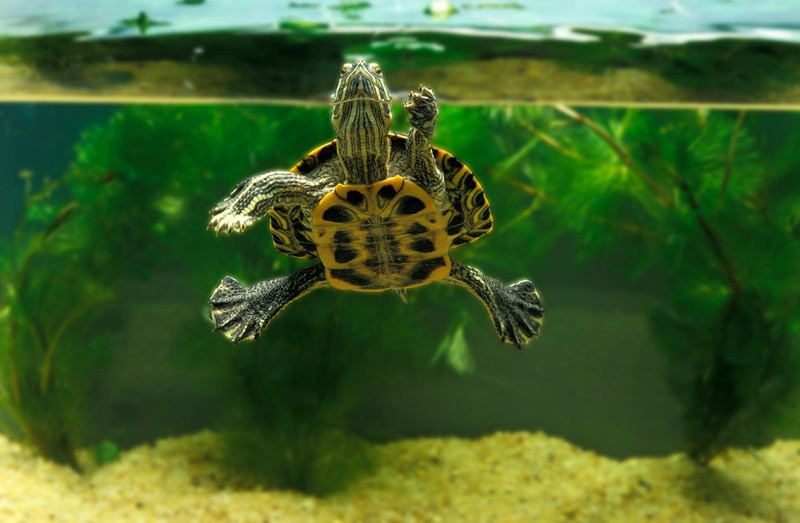
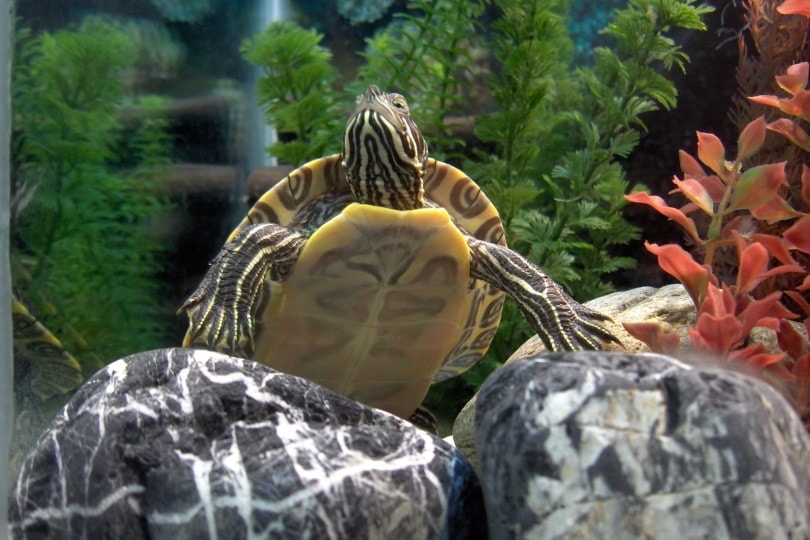
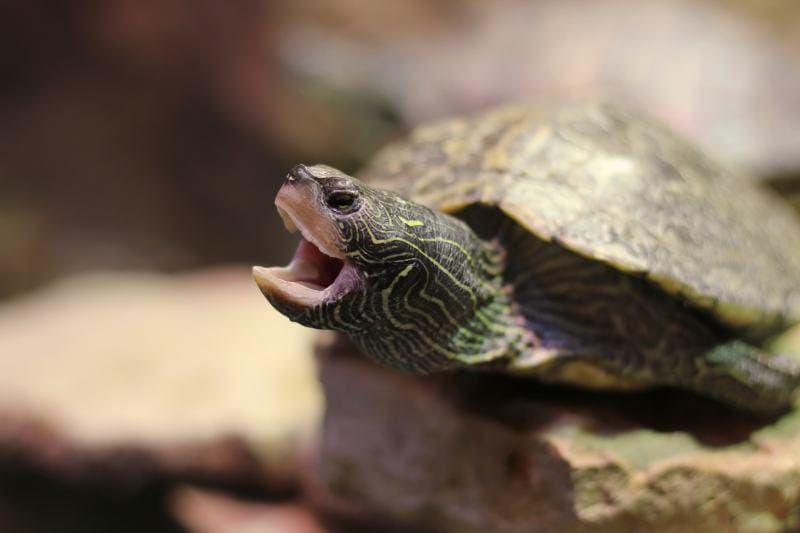
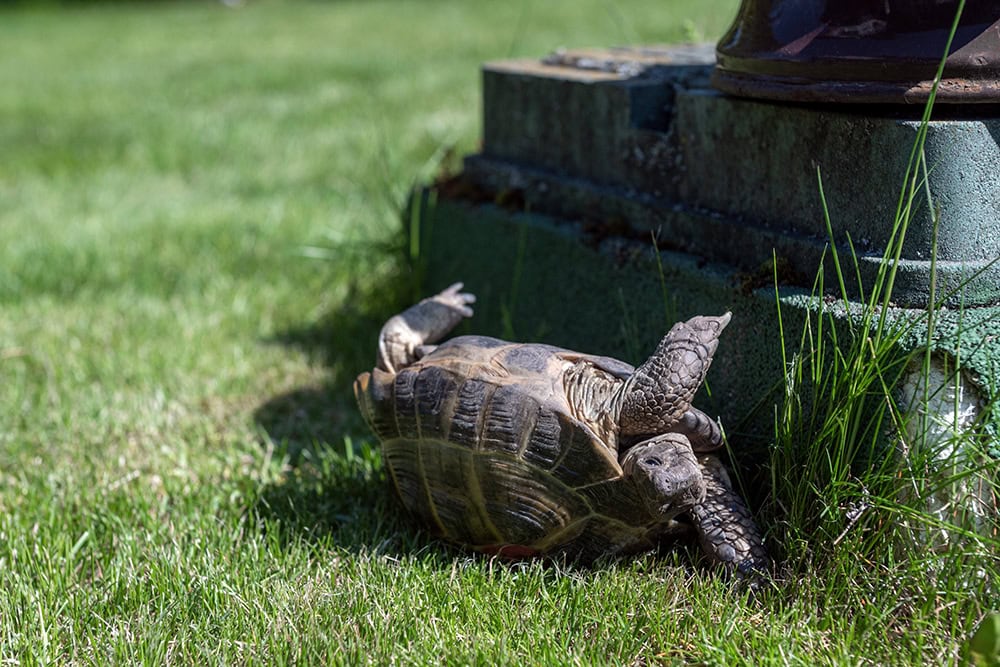
Turtles can flip themselves over, which may surprise you because they are not known for their flexibility. However, not all turtles are created equal, so some may struggle to turn over more than others. Not all turtles have the same shell shape, and how they flip over varies by species.
But this might raise another question; why does your turtle have to flip over? Accidents happen, and falls occur, but if you notice your turtle on their back frequently, you might wonder why, so we’ll also investigate what can cause your turtle to end up on its back in the first place.

How Do Turtles Flip Over?
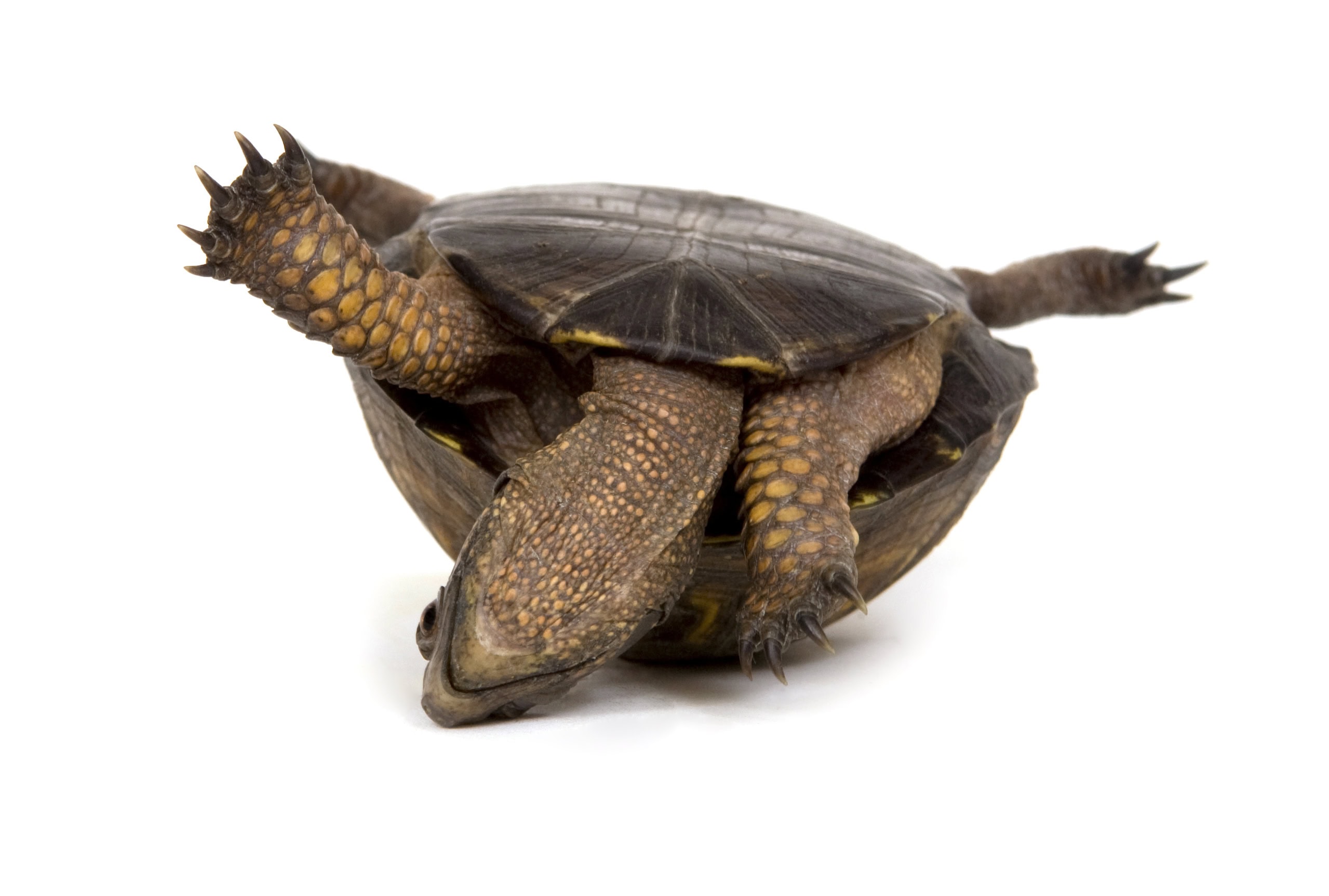
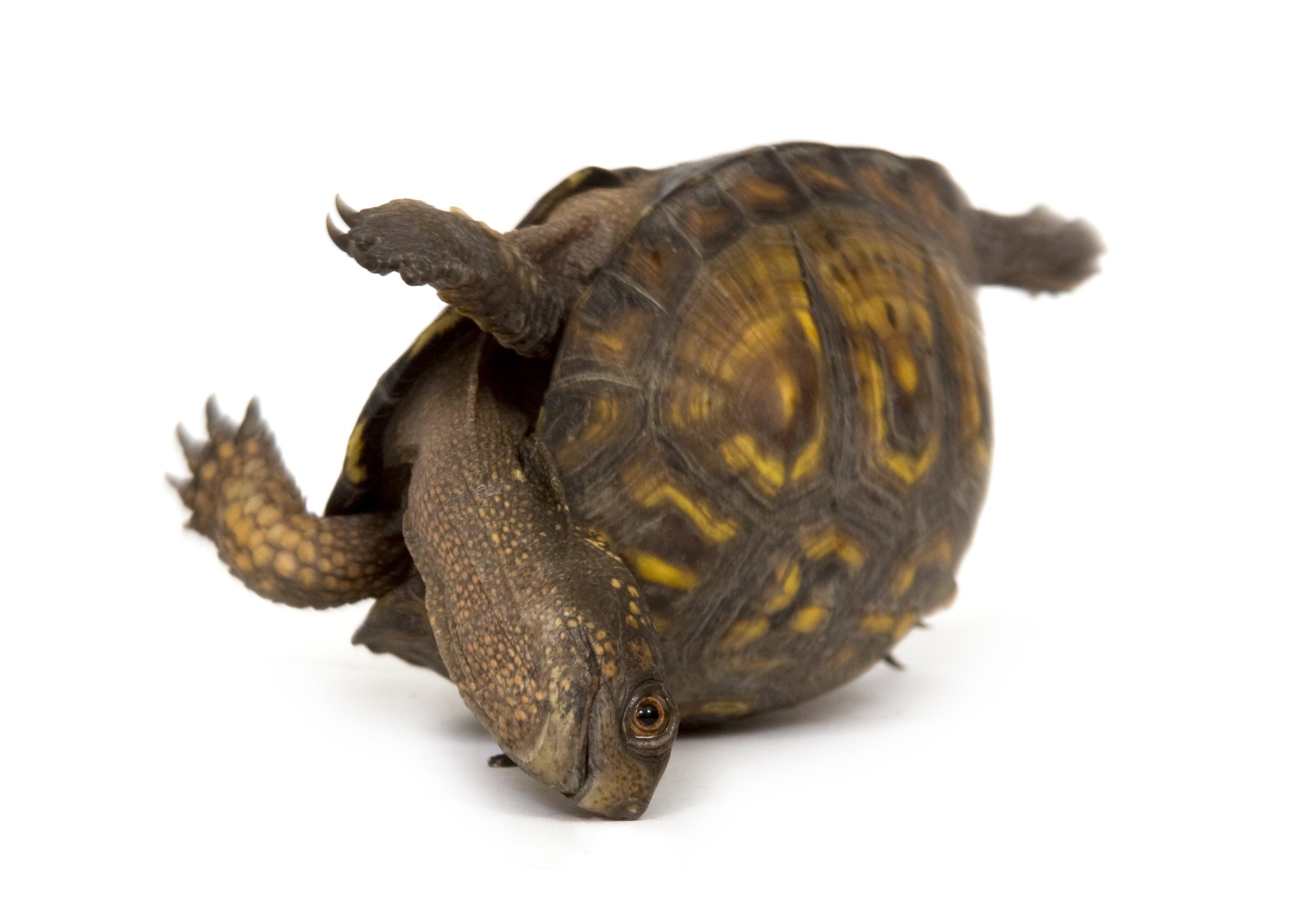
Turtles might not be the most flexible reptiles, but they have another tool at their disposal: ingenuity. Turtles will use their heads to tilt themselves so their legs can push against the ground. The ease with which they do this and how they work their necks and legs will differ depending on the shape of the shell, its weight, and its size.
Aquatic turtles with flatter shells have an easier time flipping themselves back over than turtles with more rounded shells. The way a turtle uses their body parts to flip over is incredibly important and depends on the species. For example, the length of a turtle's legs and neck will affect how easily they can flip themselves, and the length of both will vary.
What Causes a Turtle to Keep Flipping Over?
If you notice your turtle on its back consistently, there could be a reason that requires your attention, so let us look at what these are and what you should do about them.
Fighting Turtles
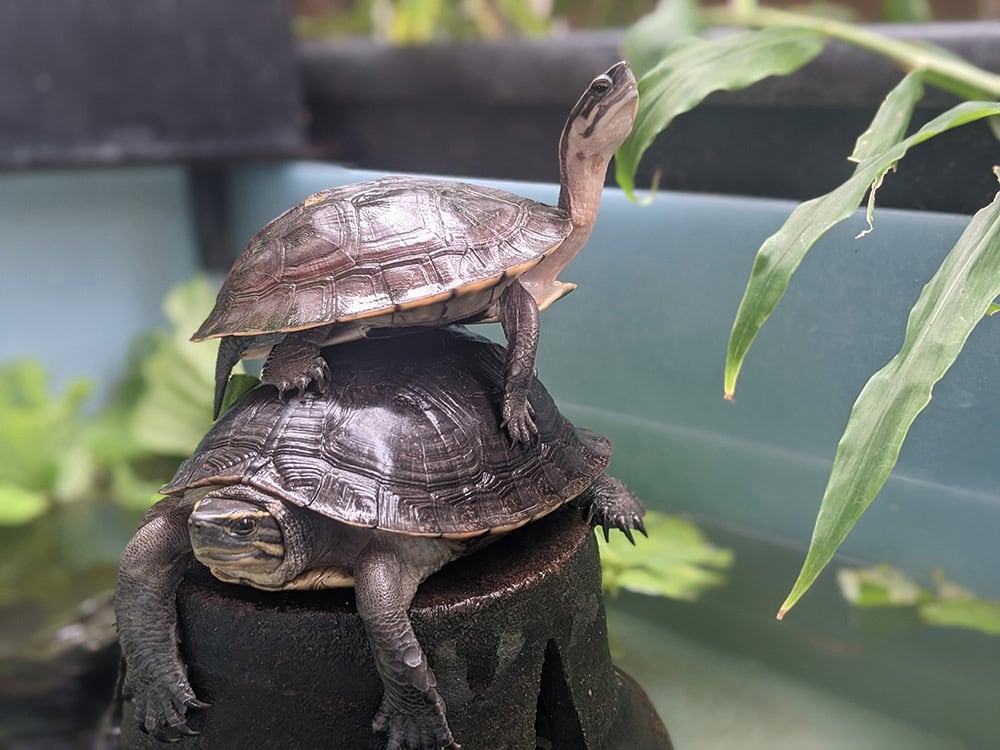
They could be fighting if you have more than one turtle in the same enclosure. A female kept with more than one male will result in males fighting for her attention. However, boredom can also cause them to fight. To avoid injuries, you’ll need to move one of the males to another tank.
Illness
A lack of Vitamin A can result in respiratory illness, leading your turtle to lean to the side when swimming. When they lack Vitamin A, this causes changes in their mucous membranes, including the respiratory system, mouth, and eyes.
Early signs of this infection are:
It’s essential to look for early signs and take them to the veterinarian immediately because, unfortunately, once your turtle begins to tilt, there isn’t anything you can do, and it’s already too late.
Problems With the Aquarium
Improper setup of an aquarium can be harmful and even fatal for your turtle. The tank should be the correct size so your turtle has enough room to swim, and you should consider the length and depth of the tank to ensure your species is comfortable.
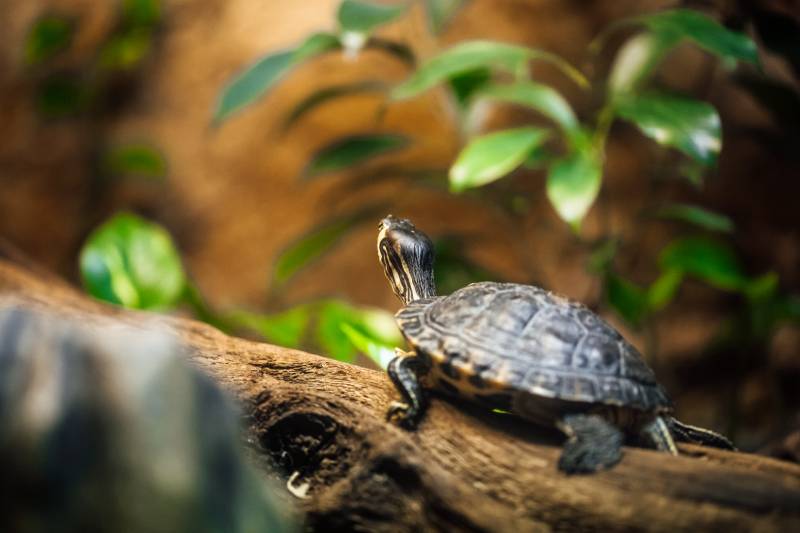
They also need an adequate basking platform; if they are turning over frequently, it could be that the platform is unsuitable. Your turtle needs somewhere they can bask without falling off it or tipping.

Frequently Asked Questions
Is It Easier for Older Turtles to Flip Themselves Over?
You might be mistaken for thinking that with age comes experience, and older turtles might find it easier to flip themselves over. However, that isn’t the case. A study in 2015 showed that younger turtles have a higher success rate of flipping themselves over than adults1.
The younger turtles felt more vulnerable and had a greater sense of urgency. Older turtles have much sturdier shells and tend to stay on their backs longer because they know they’re safer from predators.
What Happens if a Turtle Can’t Flip Themselves Over?
If a turtle cannot flip themselves over, they become trapped, unable to access food or water. Turtles can go several weeks without food, but only when they have access to water. Turtles can go around 6 to 8 hours without water in a warm, dry environment, but they can quickly become dehydrated if exposed to direct sunlight.
While this might not necessarily be an issue in your home, the other problem with being stuck on their back is that turtles are more vulnerable to predators. They might still be able to hide in their shell but cannot flee to safety.
Can a Turtle Suffocate if It Is Upside Down for Too Long?
Turtles can breathe when they’re upside down, but it is more difficult. They also run the risk of drowning if they’re in the water and cannot right themselves. Turtles breathe through their skin, so keeping their heads above water is essential, and if they can’t, they will drown. They will eventually become pressurized as they sink, and as the pressure builds, their capillaries will burst.
How Does a Turtle End Up on Their Back?
There are various reasons for a turtle to end up on their back. In the wild, predators are the most common reason. If you have a pet turtle, another pet might think it’s playing and flip your turtle over, which is why it’s a good idea to keep other pets like dogs or cats away.
Other turtles can also turn them over; males will compete for females during mating season, and an unsuccessful male might find himself on his back. Additionally, turtles have erratic climbing abilities and might slip and fall on their back.
Final Thoughts
Turtles can flip themselves over, but it’s easier for some turtles, depending on factors like their age and the shape, weight, and size of their shell. Species with flatter shells can flip over easier, but those with round shells take longer to turn over. If you find your turtle on their back frequently, contact your vet for an examination to ensure they’re not suffering from respiratory infection or other illness.
Sources
Featured Image Credit: SashkaB, Shutterstock
Get Hepper In Your Inbox


Pet care tips from our vets and experts, straight to your inbox.
You may opt-out at any time. View our Privacy Policy for more information.

Nicole is a lover of animals of all sizes but is especially fascinated with the feline variety. She’s the proud mom of Baby, a Burmese, and works every day so he can relax in the sunshine or by the fire. She’s always had a cat in her home and has spent countless days with others, observing behaviors and softening up even the grouchiest of the lot. Nicole wants to share her kitty expertise with you so you and your cat can live happy, healthy, and care-free.
Join the conversation
Ask a question, share your story, or send private feedback.