Hepper is reader-supported. When you buy via links on our site, we may earn an affiliate commission at no cost to you. Learn more.
7 Dog Breeds Prone to Elbow Dysplasia: Vet Reviewed Info


Elbow dysplasia is a general term that describes several conditions that result when a dog’s elbow joint doesn’t develop properly. If not treated, elbow dysplasia can lead to pain, lameness, and joint damage. While several factors may contribute to the development of elbow dysplasia, it is suspected to be an inherited condition, primarily in large and giant dog breeds. In this article, you’ll learn about seven dog breeds prone to elbow dysplasia. We’ll also tell you more about how this condition is diagnosed and treated.

The 7 Dog Breeds Prone to Elbow Dysplasia
1. Labrador Retriever
| Height: | 21.5–24.5 inches |
| Weight: | 55–80 pounds |
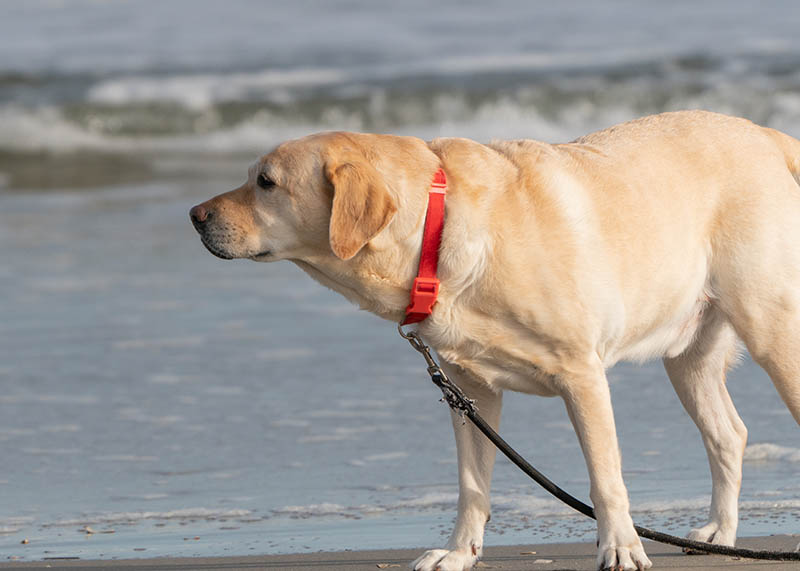
America’s most popular dog breed is also one of the most prone to elbow dysplasia. A study from the UK, published in 2020, found that Labrador Retrievers had a six times higher risk of elbow disease than mixed-breed dogs.1 Labradors also love to eat and are prone to gaining too much weight.
Obesity can make joint pain and damage from elbow dysplasia worse. Unfortunately, the more popular the dog breed, the more common health issues become. Elbow dysplasia is just one inherited issue that Labradors can suffer from, making it vital to choose a breeder carefully. Responsible breeders screen their dogs for elbow and hip dysplasia before breeding.
2. Rottweiler
| Height: | 22–27 inches |
| Weight: | 80–135 pounds |
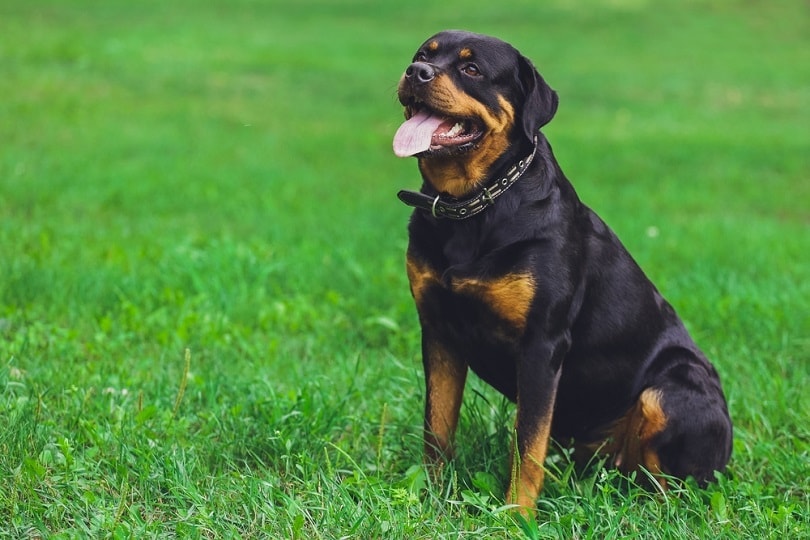
According to that same UK study, Rottweilers are also six times more likely than mixed-breed dogs to have elbow dysplasia. Also ranked in the top 10 most popular breeds, the loyal and protective Rottweiler suffers from some of the same inherited conditions as Labs, including elbow dysplasia.
Because of their size, Rottweilers already put a lot of strain on their joints, and incorrectly developed elbows can quickly cause pain and lameness. Young Rottweilers need dedicated training and socialization to channel their protective instincts, and the last thing they need is to deal with painful elbows too. Look for a Rottweiler breeder who checks their dogs for diseases before breeding.
3. German Shepherd
| Height: | 22–26 inches |
| Weight: | 50–90 pounds |
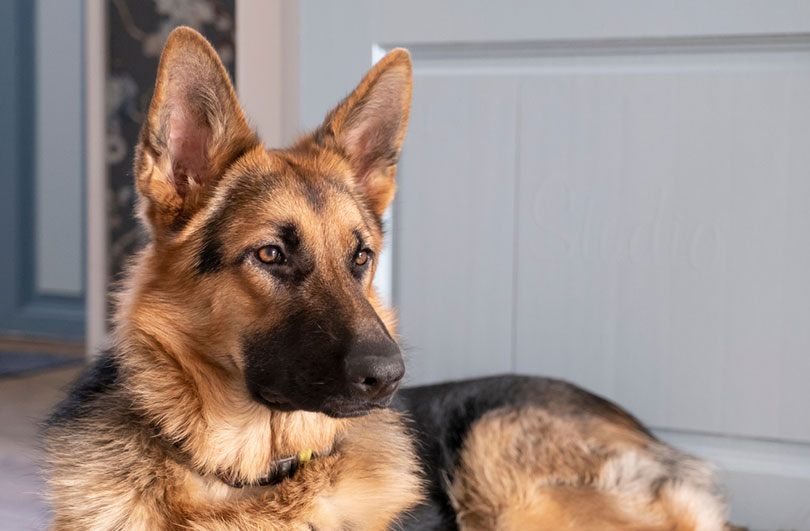
As the most popular working dog in the world, the German Shepherd had a four times higher risk of elbow dysplasia in the UK study. If it seems like all of these breeds we are discussing are energetic, fast-growing working dogs, that’s because those are the ones who tend to be most impacted by elbow dysplasia.
Extremely intelligent, loyal, and quick to learn, the German Shepherd’s popularity has led to overbreeding, especially in the United States. German Shepherd puppies with elbow dysplasia may develop signs as early as 5 months old.
4. Golden Retriever
| Height: | 21.5–24 inches |
| Weight: | 55–75 pounds |
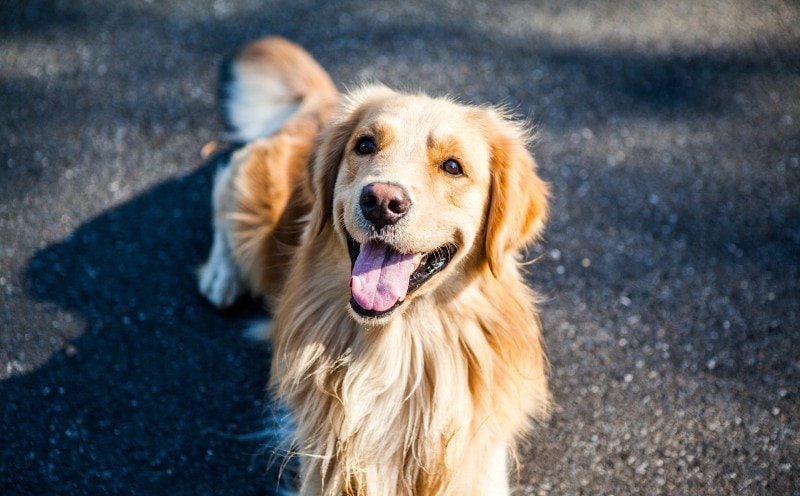
Few dogs can match the Golden Retriever when it comes to constantly wagging tails and happy faces. Somehow this makes it even sadder that the UK study found that this sunny breed is three times more likely to have elbow dysplasia than mixed breeds. It was developed to retrieve downed game for hunters, but the Golden Retriever is now the ideal family and companion pet.
Golden Retrievers are eager to please and easy to train but are also energetic and playful. Like Labs, they enjoy food and can become overweight quickly, increasing the strain on their elbows. As the third most popular breed in America, the Golden Retriever is prone to several inherited health conditions besides elbow dysplasia.
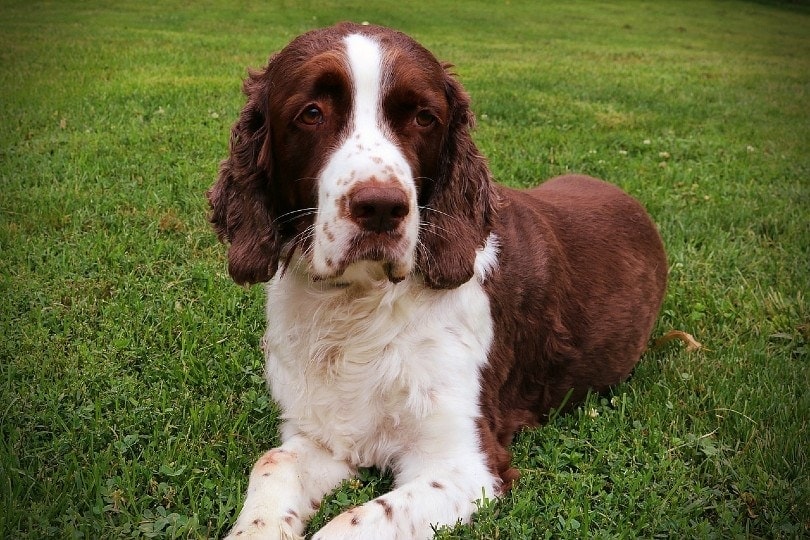
5. English Springer Spaniel
| Height: | 19–20 inches |
| Weight: | 40–50 pounds |
English Springer Spaniels are the smallest and the least popular (but they’re still pretty common) breeds prone to elbow dysplasia that we’ve covered so far. However, the UK study found they were among the top five breeds prone to elbow dysplasia, with twice the risk of the average mixed breed.
Spring Spaniels are smart, loving, and eager to please and were bred as hunting dogs but make wonderful family pets. They hate being left alone and have the energy to keep up with even the most active families. Elbow dysplasia will make family playtime painful, often starting from a young age. Besides elbow dysplasia, this breed is prone to hip dysplasia and several eye issues.
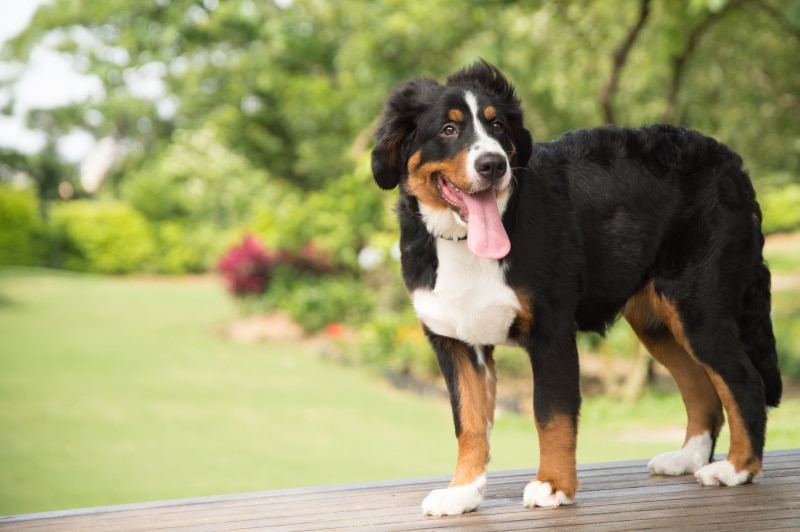
6. Bernese Mountain Dog
| Height: | 23–27.5 inches |
| Weight: | 70–115 pounds |
With their gorgeous coats and calm, sweet personalities, it’s no surprise that Bernese Mountain Dogs are one of the most popular large breed dogs. Developed to work on farms in the Swiss Alps, Bernese Mountain Dogs served as guards, cattle herders, and exceptionally strong cart dogs.
Today, they are often seen as family pets who generally get along well with kids and other animals. Bernese Mountain Dogs are prone to elbow and hip dysplasia, eye issues, and cancer. Several screening tests are recommended for breeding dogs, including an elbow evaluation. While Bernese Mountain Dogs are not as active and energetic as some of the breeds prone to elbow dysplasia, their size can put a strain on their joints.
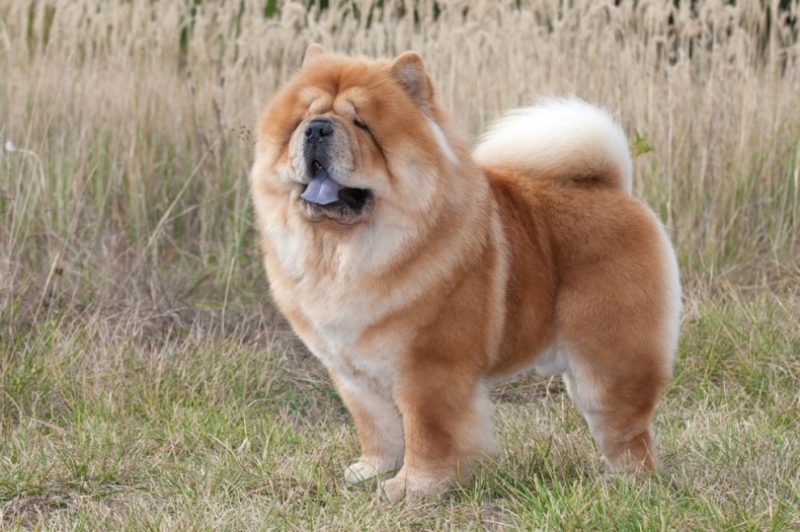
7. Chow Chow
| Height: | 17–20 inches |
| Weight: | 45–70 pounds |
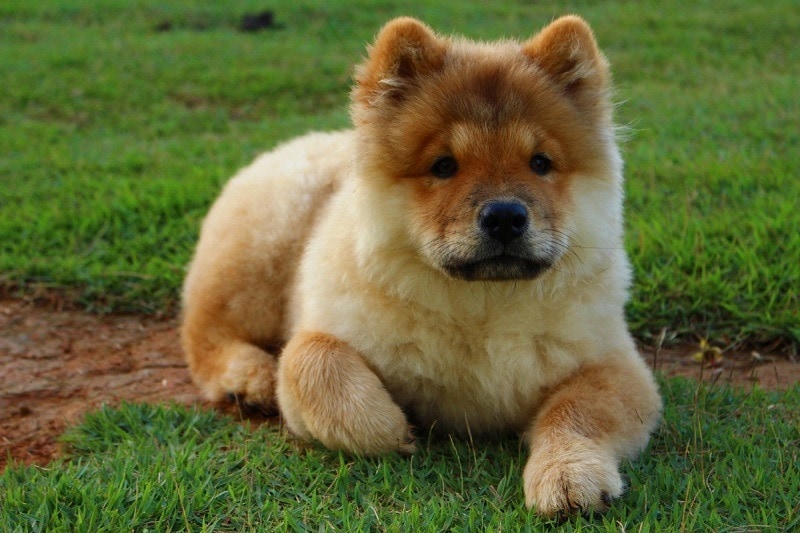
Chow Chows are probably one of the oldest purebred dog breeds, with evidence of their presence in ancient China as far back as 206 B.C. These fluffy dogs originally served as companions to Chinese emperors, and they maintain a somewhat standoffish, snobby personality to this day. Loyal and loving to their families, Chow Chows have no particular interest in socializing with strangers.
Although they are generally calm dogs, they can be stubborn and hard to train, requiring patience and early socialization. Chow Chows are prone to several health conditions besides elbow dysplasia, including hip dysplasia and eye issues.
How Is Elbow Dysplasia Diagnosed and Treated?
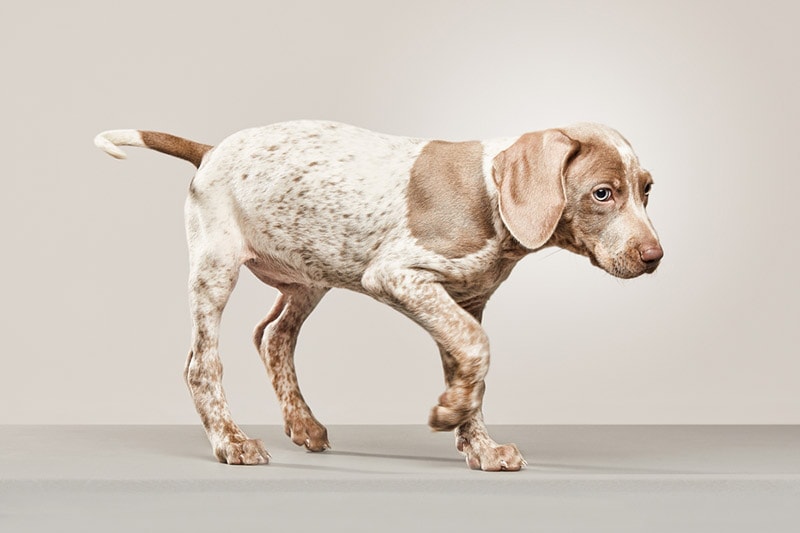
The most common sign of elbow dysplasia is front leg lameness, often impacting both limbs. Signs can start as early as 5 months but may not occur until the dog is an adult, as joint damage builds up over time, leading to arthritis. Typically, the lameness gets worse with exercise and never completely goes away, even after rest.
To diagnose elbow dysplasia, your vet may suggest x-rays and perform an exam of the legs. Sometimes, more advanced procedures, such as a CT scan, are needed to diagnose the condition correctly. Because elbow dysplasia can describe several developmental problems with the joint, treatment depends on the diagnosis of the condition.
It also depends on how severe the elbow dysplasia is. Most cases require surgery, but some can be managed with other treatments like rest, physical therapy, and anti-inflammatory medication.
Even with surgery, elbow dysplasia can’t be fully cured, only managed. The goal is to make the dog more comfortable, allow them to use the elbow longer, and delay arthritis from developing. With treatment, most dogs with elbow dysplasia do well long-term.

Conclusion
These seven breeds are known to be prone to elbow dysplasia, but the condition can impact any breed, even small dogs. The earlier this condition can be diagnosed, the more successful the treatment tends to be. Buying a puppy from a responsible breeder is a good start, but if you know your dog is prone to elbow dysplasia, ask your vet how you can support your dog’s joint health and prevent injuries.
Featured Image Credit: Pxhere
Get Hepper In Your Inbox


Pet care tips from our vets and experts, straight to your inbox.
You may opt-out at any time. View our Privacy Policy for more information.
A lifelong lover of all creatures great and small, Elizabeth got her first cat at 5 years old and at 14, she started working for her local veterinarian. After spending more than 20 years working as a veterinary nurse, Elizabeth decided to step away to become a stay-at-home parent to her daughter. Now, she is excited to share her knowledge with our pet parents. Elizabeth lives in Iowa with her family, including her two fur kids, Linnard, a husky mix and Algernon, the worldʻs most patient cat. When not writing, she enjoys reading, watching soccer, and spending time outdoors with her family.
Join the conversation
Ask a question, share your story, or send private feedback.