Hepper is reader-supported. When you buy via links on our site, we may earn an affiliate commission at no cost to you. Learn more.
Cat FIP (Feline Infectious Peritonitis) Treatment - Does it Have a Cure? (Vet Answer)


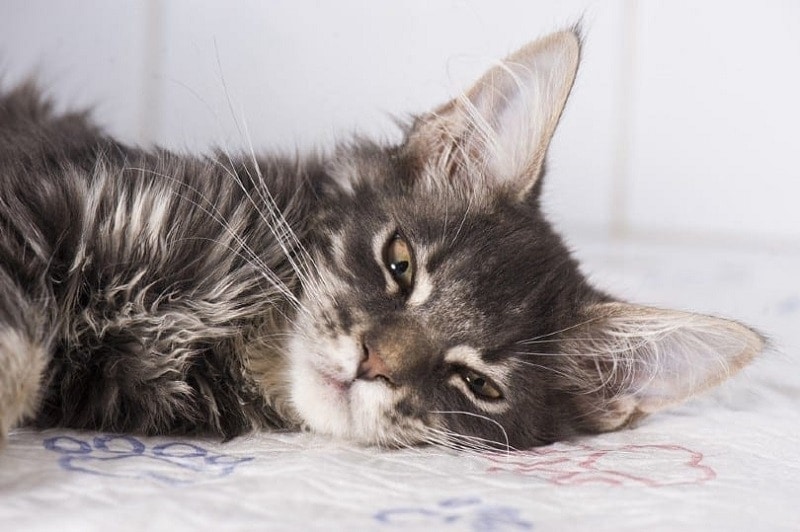
Feline infectious peritonitis (FIP) is a viral disease occuring worldwide that predominantly affects young cats. Until recently, FIP was considered incurable, and almost always fatal, with a mortality rate of ≥95%. However, within the past few years, there have been significant advancements in the treatment of this disease—thanks to the development of new antiviral drugs.

What Causes Feline Infectious Peritonitis (FIP)?
FIP is caused by certain strains of the feline coronavirus, found in the gastrointestinal tract. Feline coronavirus infection is common in cats, especially where large numbers of cats are housed together. This type of coronavirus is different from the coronavirus responsible for COVID-19 in people, and it only infects cats.
Feline coronavirus usually does not cause significant illness. Infected cats occasionally develop mild diarrhea that clears up without treatment, or that develops no symptoms at all. However, in a small percentage of cases, the virus mutates inside a cat to a more harmful form, invading the cells of the immune system, and spreading throughout the body—causing feline infectious peritonitis (FIP).
There are two forms of FIP—a dry form and a wet form. In the dry form, inflammatory cells accumulate in one or more organs, such as the liver, eyes, brain, and kidneys. In the wet form, there is a fluid accumulation in the chest and abdominal cavity.
A Groundbreaking Treatment for FIP
FIP was previously considered an incurable disease. Without treatment, survival times for FIP can vary from days to weeks for the wet form of the virus, and from weeks to months for the dry form.
However, thanks to the work of Dr. Niels C. Pedersen, a distinguished professor emeritus at the UC Davis School of Veterinary Medicine, FIP is now considered a treatable disease. In 2019, along with other researchers, Dr. Pederson published a study showing GS-441524, an antiviral drug that inhibits viral replication, to be a safe and effective treatment for FIP.
In this study, 26 cats with naturally-occurring FIP were treated with GS-441524. The study showed 25 out of 26 cats treated with the antiviral drug, for 12 weeks or longer, ultimately went into remission. Unfortunately, one cat subsequently died of an unrelated heart problem.
Is GS-441524 a Legally Available Treatment for FIP? And is it Effective?
At the time that this article was written, GS-441524 is not yet approved by the US Food and Drug Administration (FDA), and therefore, unable to be legally prescribed by veterinarians in the US.
This has resulted in the emergence of a black market for GS-441524—in which some cat owners may obtain unlicensed and unregulated supplies of the medication. Owners should be aware that unlicensed at-home GS-441524 therapy carries with it both legal and medical risks.
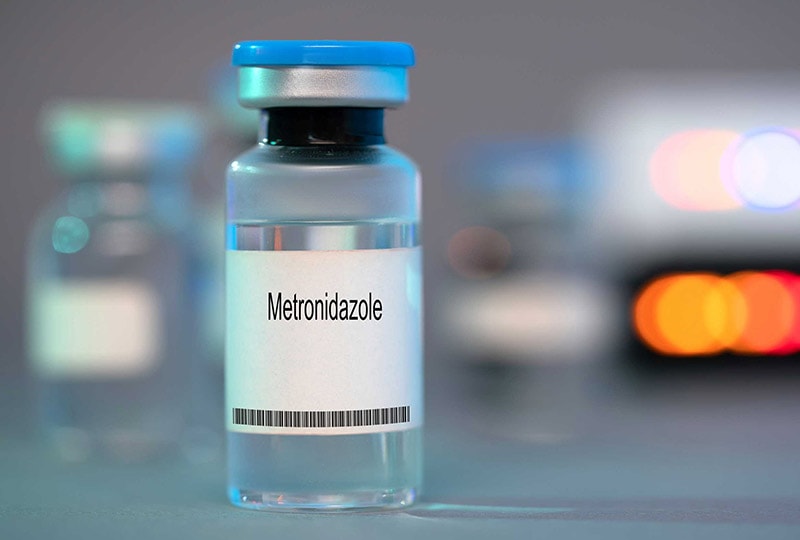
However, GS-441524 and it’s parent drug, Remdesivir, are now legally available for the treatment of cats with FIP in the United Kingdom and in Australia. Remdesivir immediately breaks down into GS when administered to cats intravenously. GS-441524 is available as an oral tablet, whereas Remdesivir is available as an injectable agent.
The Royal Veterinary College in the UK reports over 80% of cats have responded well to GS-441524 treatment. This is supported by data from veterinarians in Australia, showing an 85-95% favorable response rate. Veterinarians have also reported a noticeable improvement of clinical signs within 24-72 hours of starting treatment.
GS-441524 appears to be an extremely safe drug, with very few side effects. The main side-effect observed is pain at the injection sites, which differs in severity from cat to cat. This side effect can be managed by administering pain relief medication prior to giving the injection.

Cost of Treatment
The cost of treatment in countries where GS-441524 and Remdesivir are legally available is high, due to the long treatment course, and the high price of both antiviral medications. There is a minimum treatment duration of 12 weeks. Unfortunately, some cats may relapse, requiring a repeat course of treatment.

New Hope
For many years, FIP was considered an untreatable disease. Fortunately, that has finally changed. Thanks to the development of new antiviral medications, a diagnosis of FIP does not necessarily mean a death sentence anymore. For countries where GS-441524 and Remdesivir are not legal treatment options for FIP, there remains hope that these drugs may soon become legally available in the near future.
See also:
Featured Image Credit: Kachalkina Veronika, Shutterstock
Get Hepper In Your Inbox


Pet care tips from our vets and experts, straight to your inbox.
You may opt-out at any time. View our Privacy Policy for more information.
Nicole is a lover of animals of all sizes but is especially fascinated with the feline variety. She’s the proud mom of Baby, a Burmese, and works every day so he can relax in the sunshine or by the fire. She’s always had a cat in her home and has spent countless days with others, observing behaviors and softening up even the grouchiest of the lot. Nicole wants to share her kitty expertise with you so you and your cat can live happy, healthy, and care-free.
Join the conversation
Ask a question, share your story, or send private feedback.