Hepper is reader-supported. When you buy via links on our site, we may earn an affiliate commission at no cost to you. Learn more.
How To Tell What Wild Animal Killed My Cat? (Detailed Guide)

Discovering that your beloved cat has been killed is a horrible situation that no one should experience. Outdoor cats enjoy more freedom and exercise than indoor felines, but they are more vulnerable to predatory wildlife, feral dogs, and automobile collisions. Although cats adapt to their owners’ schedules, they are nocturnal animals that risk being attacked when they’re around other creatures that hunt at night.
Determining which type of animal killed your pet can help you protect your pets, family, and neighbors from subsequent attacks.

How to Determine Which Animal Killed Your Cat
Before You Start
Before you put your cat to rest, contact your local authorities and request help from an animal control expert. If a dangerous animal is in your area preying on house pets, wildlife technicians can investigate the scene and take steps to protect the other animals in your neighborhood. Your neighbors should also be notified of the attack and questioned to see if they’ve seen any predatory activity in the area.
Although it may seem morbid, document the attack by taking photos of your pet and the surrounding area. Also, be sure to photograph animal tracks and fur.
1. Determine Which Animals Are Active in Your Area
Housecats are vulnerable to several animals, including humans, but you can rule out predators that are not active or native to your area. For instance, if you live in the Southwestern United States, a Burmese python (active in Southern Florida) is probably not responsible for your cat’s death. Although some species were once concentrated in rural areas, wild animals have learned to live in urban and suburban regions.
Coyotes
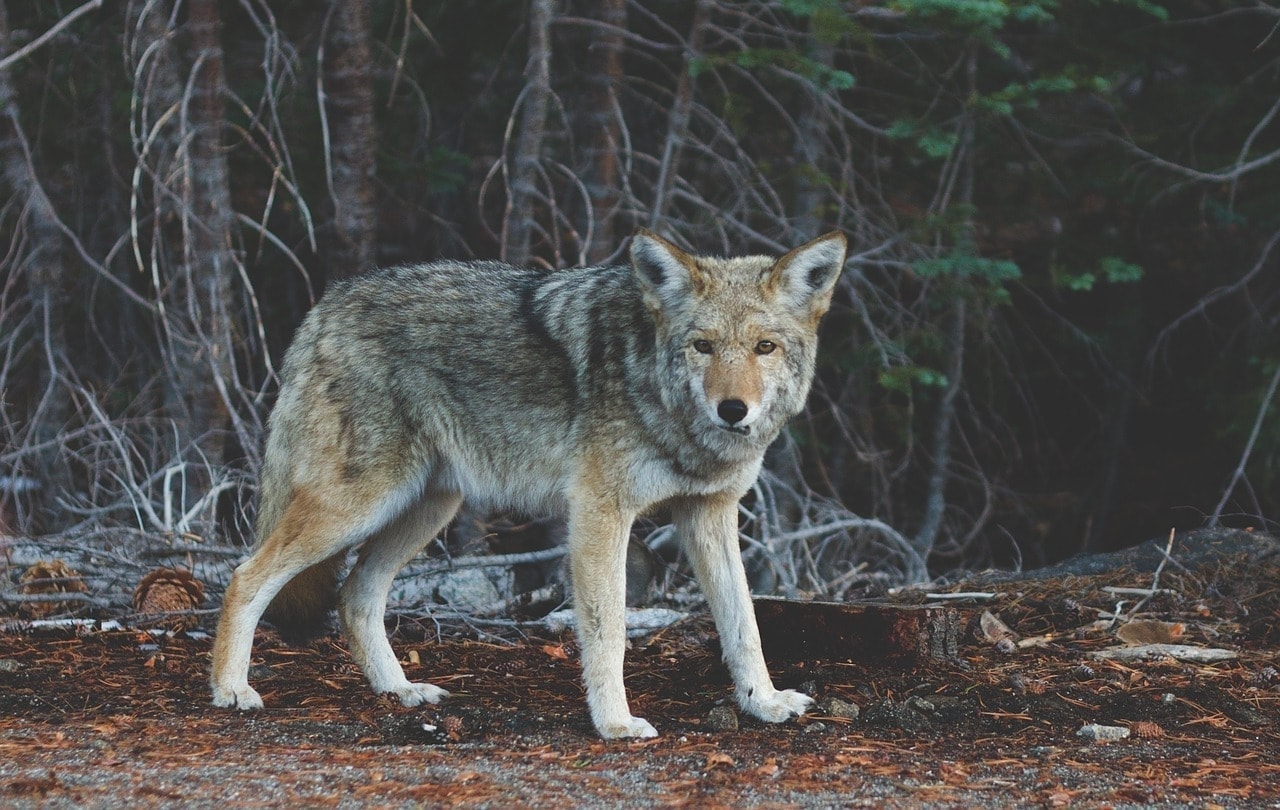
If you live in any state in the U.S. (except Hawaii), your area probably includes coyotes. Coyotes can run at speeds up to 40mph, and they are skilled hunters who can attack and easily kill housecats. They prefer hunting away from human development, but the aroma of pet food or garbage left outside can draw them into neighborhoods. In 2019, an unlucky housecat was killed and dragged away by two coyotes. The cat’s owner saw the incident on a security camera and recovered the corpse in his neighbor’s yard.
Coyotes will rarely feast on an animal in the same spot they killed it; the remains of most small animals are usually recovered several feet away from the attack site.
Dogs
Feral dogs and pet dogs can attack and kill housecats. Larger breeds with high prey drives are the biggest threats to domestic cats, but any dog may attack a feline regardless of its size. Unlike a coyote, a dog is less likely to eat a cat. However, a starving feral dog with limited food access can eat a cat to survive.
Large Cats
Large wild cats like cougars or bobcats pose significant risks to cats and dogs. Although house cats are not their natural prey, a large cat wandering into a suburban area can hunt and kill cats. In 2015, a wildlife technician captured a 50-pound bobcat in El Dorado Hills, California, after it had killed three neighborhood cats.
Raccoons
Raccoons are unlikely to hunt a domestic cat, but they have been known to kill kittens or small cats. Raccoons would prefer to dine on garbage, cat food, and dead animals than felines. According to the Humane Society, raccoons are more likely to interact with or attack pet cats when pet food is kept outside.
Birds of Prey
Eagles, hawks, and owls have sharp talons that can inflict severe injuries on a cat, but large bird attacks are less common than you think. Rodents are more desirable and attainable than felines. According to bird rehabilitator Suzie Gilbert, a bird of prey cannot carry away a pet that weighs 3 pounds or more. So, if you have hawks or eagles in your area, they’re unlikely to fly off with your cat.

2. Speak to Wildlife Control Officers
Wildlife officials in your city or private firms that handle wildlife removal are excellent sources for identifying wild animal attacks. You can also talk to your neighbors and ask if they’ve spotted animals with security camera footage on the night of the attack. If wildlife technicians cannot identify the attacker from a visual inspection, you can request a necropsy.
3. Order a Necropsy
Evidence from the attack scene, photographs, and video footage can help identify a wild animal attack, but you cannot be sure of the cause without a necropsy. A necropsy, like an autopsy for humans, can determine the cause of death. If your area has experienced several animal attacks, the city may order necropsies, but the local government is less likely to foot the bill for a single incident.
A necropsy is an expensive procedure, and you should be prepared to pay a high fee.
4. Consult Your Neighbors About Preventing Future Attacks
After determining which animal attacked your pet, you can consult your neighbors about preventing another attack. Keeping the neighborhood animals safe is much easier when pet owners keep their pets indoors.
Indoor Protection
Cats and dogs love to roam around outdoors, but they’re much safer when they’re supervised and kept indoors at night. Some pet owners believe that confining their animals indoors is cruel, but indoor pets are not exposed to large animals, automobiles, rabid rodents, psychopathic humans, or rat poison.

Yard Maintenance
Keeping the bushes and trees trimmed and removing fallen debris can reduce the chances of wildlife visiting your yard. Nocturnal predators thrive in areas with plenty of cover to hide their advances. Also, eliminating food waste and storing garbage in lockable containers can prevent raccoons and other wildlife from visiting.
Pet Food
Wild animals, including coyotes, raccoons, and feral dogs, are attracted to pet food left outside. If you feed an outdoor pet, try to remove the food before dusk to keep the coyotes and other creatures away.

Final Thoughts
Losing a pet cat to a wild animal attack is a horrible experience, but you can help your friends and community prevent another incident by identifying the animal. As human developments continue to expand, the territories of wild animals and humans are becoming harder to distinguish.
Outdoor cats live adventurous lives, but they're vulnerable to wildlife and unfortunately have shorter lifespans than indoor felines.
Featured Image Credit: congerdesign, Pixabay
Get Hepper In Your Inbox


Pet care tips from our vets and experts, straight to your inbox.
You may opt-out at any time. View our Privacy Policy for more information.

Nicole is a lover of animals of all sizes but is especially fascinated with the feline variety. She’s the proud mom of Baby, a Burmese, and works every day so he can relax in the sunshine or by the fire. She’s always had a cat in her home and has spent countless days with others, observing behaviors and softening up even the grouchiest of the lot. Nicole wants to share her kitty expertise with you so you and your cat can live happy, healthy, and care-free.
Join the conversation
Ask a question, share your story, or send private feedback.