Hepper is reader-supported. When you buy via links on our site, we may earn an affiliate commission at no cost to you. Learn more.
Lead Poisoning in Dogs: Our Vet Explains Causes, Signs & Care


In this article
Lead is a highly toxic metal that can cause serious negative health consequences in both people and animals. Thanks to regulations in many developed countries to prevent lead exposure, veterinarians today see fewer cases of lead poisoning than in the past. However, in some situations, dogs are still at risk of being exposed to lead. Let’s explore the issue in more detail.

What is Lead Poisoning?
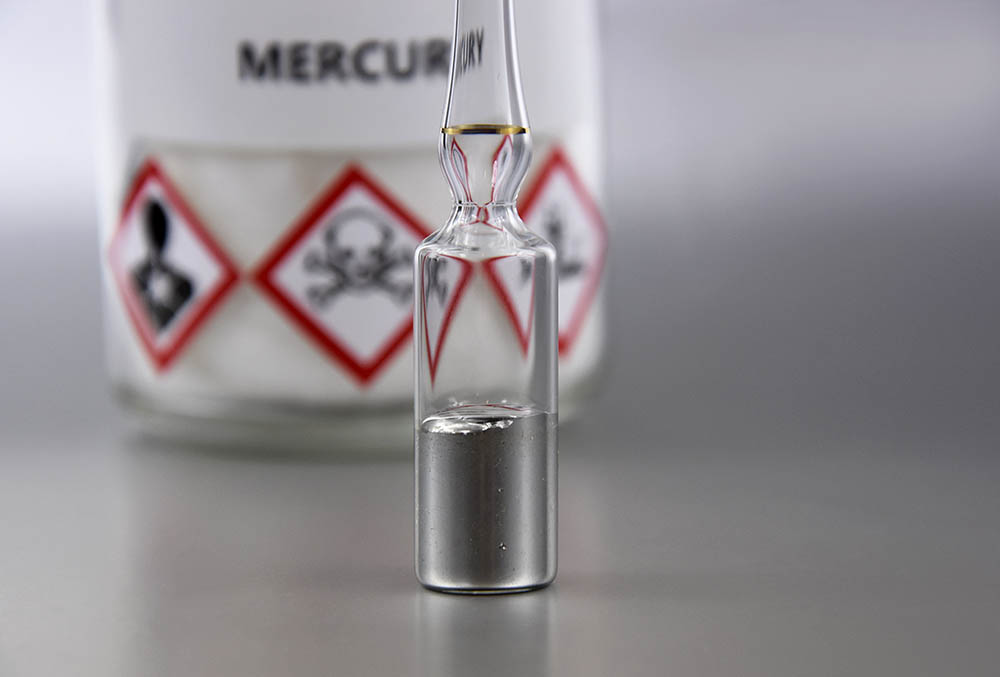
Lead1 is a naturally occurring toxic metal found in the Earth’s crust. Lead is cheap, widely available, easy to melt, and highly malleable, which is why it’s been used by humans for centuries.
Lead was widely used in the past, particularly in gasoline and paint. Although leaded gasoline is no longer produced and many countries have banned the residential use of lead-based paint because of its toxic effects, lead is still used in many products, such as car batteries, ceramics, solder, and plumbing materials.
Lead poisoning occurs when lead accumulates in the body, usually after being inhaled or ingested. It affects multiple organ systems in the body and is a serious health hazard for dogs.

What Are the Causes of Lead Poisoning in Dogs?
The most common source of lead poisoning2 in dogs is the ingestion of lead-based paint. Although many countries have banned the residential use of lead-based paints, it was used in homes for many years. Many older homes contain lead-based paint, sometimes under layers of newer paint.
During renovations3 or when these homes become weathered, chips of paint flake off the walls. If a dog chews or swallows these paint chips, it can lead to lead poisoning. Dogs may also breathe in lead dust when lead paint is sanded. Once inhaled into the lungs, lead is almost completely absorbed.
Dogs may also be exposed to lead through other sources4, such as car batteries, fishing sinkers, drapery weights, lead solder, electronic equipment, lead bullets, plumbing supplies, and glazed ceramic bowls.
Puppies and younger dogs have a greater risk of developing lead poisoning than adult animals as they are more likely to chew on objects, and because they absorb more lead through their digestive tracts. Young animals absorb up to 50% of lead from the gastrointestinal tract, while the gastrointestinal absorption of lead varies from 5% to 15% in adult animals.
What Are the Signs of Lead Poisoning in Dogs?
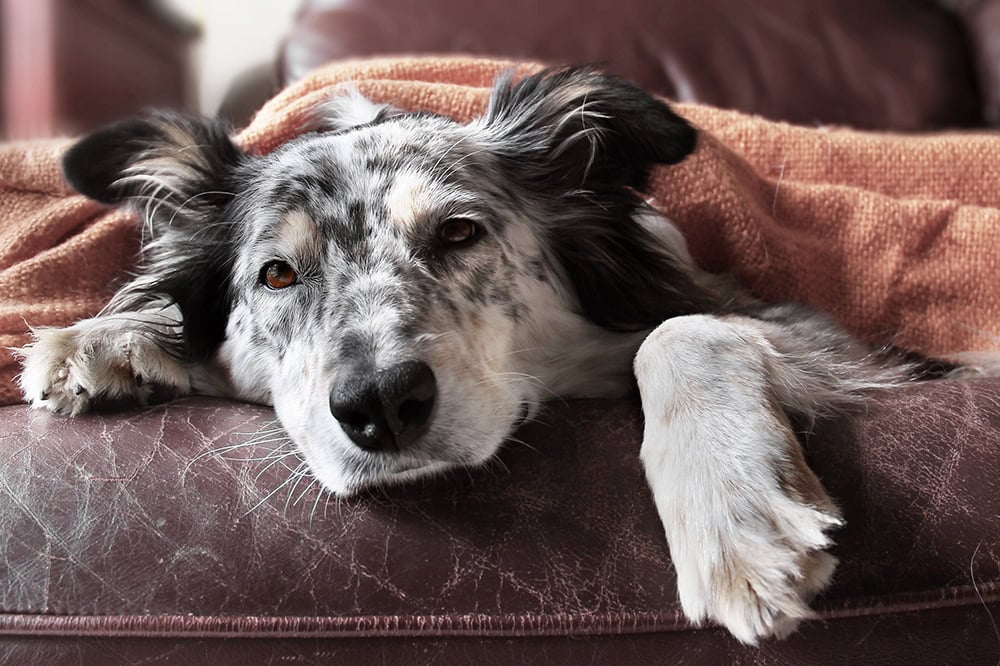
Lead affects multiple organ systems in the body and interferes with multiple processes. Dogs with lead poisoning most commonly show neurological and gastrointestinal symptoms, these include5:
- Behavioral changes, such as anxiety, continuous barking, hysteria, hyperexcitability, aggression, snapping, and hiding in dark areas
- Seizures
- Vomiting
- Diarrhea
- Loss of appetite
- Abdominal discomfort
- Low energy levels
- Weight loss
- Anemia
How Do I Care for a Dog with Lead Poisoning?
If your dog shows signs of lead poisoning, or if you suspect that your dog has ingested lead, it’s important to seek immediate veterinary attention. There are no home remedies for lead poisoning, and under no circumstances should you try to treat this condition at home. Lead poisoning should be treated as an emergency situation.
Once at the clinic, your veterinarian will confirm a diagnosis of lead poisoning by measuring your dog’s blood lead levels. Lead levels greater than 0.6 ppm are considered diagnostic for lead poisoning.
Your veterinarian will also take X-rays to look for lead particles in the gastrointestinal tract. Young dogs with chronic lead poisoning may show characteristic “lead lines” in their long bones on X-rays.
In addition to checking your dog’s blood lead levels and X-rays, your veterinarian will need to take blood to run a complete blood count and a biochemical profile. A complete blood count gives information about the red and white blood cells in your dog’s body. Dogs with lead poisoning are often anemic and their red blood cells contain small granules when observed under the microscope. This is known as basophilic stippling and is suggestive of lead poisoning.
A biochemical profile evaluates how well certain critical organs and systems are functioning. The bloodwork of dogs with lead poisoning may show problems with their kidneys and liver.
Treatment Options for Dogs with Lead Poisoning
The treatment of lead poisoning consists of several steps. Dogs showing symptoms of lead poisoning will be stabilized first, then given symptomatic care, followed by elimination of lead from the digestive tract, and then chelation therapy if needed.
Seizuring dogs will be treated with anti-seizure medication and muscle relaxants, and dogs showing gastrointestinal signs, such as vomiting and diarrhea will be treated with intravenous (IV) fluids and anti-nausea medication.
If your dog has ingested lead within the last few hours and it is still in the stomach, your veterinarian may induce vomiting to empty the stomach of its contents, including the lead. Alternatively, your veterinarian will flush the stomach with water. Surgery may be indicated to remove large objects or lead-containing objects in the intestines.
After the lead is removed from the digestive tract, your dog will be treated with a chelating agent. Chelation therapy works by binding to lead in the blood and tissues and creating a compound that can be excreted in the bile and urine.
If your dog has been diagnosed with lead poisoning, it’s possible that you and other members of your household have been exposed as well. In these circumstances, it’s advisable to contact your local public health official to discuss the situation. You and your family may need to have your blood lead levels tested.

Frequently Asked Questions
What is the prognosis for lead poisoning?
If treated properly and early enough, the prognosis for lead poisoning is usually good and most dogs make a complete recovery. The source of lead should be removed from the environment, otherwise dogs are at risk for re-exposure.
How do I lower my dog’s chances of developing lead poisoning?
Ways to lower your dog’s chances of developing lead poisoning include the following:
- Inspect and maintain all painted surfaces to prevent paint deterioration, especially if you live in an older home.
- Remove materials and objects containing lead from your home.
- Educate your family members on the dangers of lead poisoning in pets and in humans.

In Conclusion
Although lead poisoning is less common today, it still remains a serious health concern for both humans and animals. The most common source of lead poisoning in dogs is the ingestion of lead-based paint. There are, however, other ways in which dogs can be exposed to lead, such as car batteries, fishing sinkers, drapery weights, lead solder, electronic equipment, lead bullets, plumbing supplies, and glazed ceramic bowls.
Dogs with lead poisoning most commonly show neurological and gastrointestinal symptoms, including behavioral changes, seizures, vomiting, diarrhea, lethargy, and weight loss. There are no home remedies for lead poisoning, and under no circumstances should you try to treat this condition at home. If your dog shows signs of lead poisoning, or if you suspect that your dog has ingested lead, it’s important to seek immediate veterinary attention.
Also see:
Featured Image Credit: Elena Loza, Shutterstock
Get Hepper In Your Inbox


Pet care tips from our vets and experts, straight to your inbox.
You may opt-out at any time. View our Privacy Policy for more information.
Lindsay is a veterinarian who lives in the beautiful city of Cape Town, South Africa with her husband and their rescue cat and dog, Harrison and Blizzard. Lindsay obtained her bachelor's degree in veterinary science from the University of Pretoria and currently works in small animal practice. When she’s not at work, you can find her out in nature, hiking with Blizzard, or following some kind of creative pursuit, such as writing, playing the piano or sewing.
Lindsay is a veterinarian living in Cape Town, South Africa with her husband and their rescue animals, Harrison and Blizzard. You can find her hiking with Blizzard, enjoying time in nature, or writing when she’s not working.
Education
Lindsay graduated from the University of Pretoria, receiving her bachelor's degree in veterinary science.
Experience
Lindsay currently works in small animal practice.
Join the conversation
Ask a question, share your story, or send private feedback.