Hepper is reader-supported. When you buy via links on our site, we may earn an affiliate commission at no cost to you. Learn more.
My Dog Ate a Popsicle Stick: Our Vet Explains What to Do


In this article
So, your dog has eaten a popsicle stick and you are wondering what to do next. It's completely normal to be concerned about their safety. Dogs do eat things they shouldn't—often! Popsicle sticks are often covered with the remnants of something tasty that was on the stick before it was discarded. This makes it extra attractive to your dog.
It can be very dangerous if your dog has eaten a popsicle stick, so you should treat it as an emergency situation—you will need to seek veterinary attention immediately.
Read this vet-written guide to find out exactly what to do next in this situation.

What Is a Popsicle Stick?
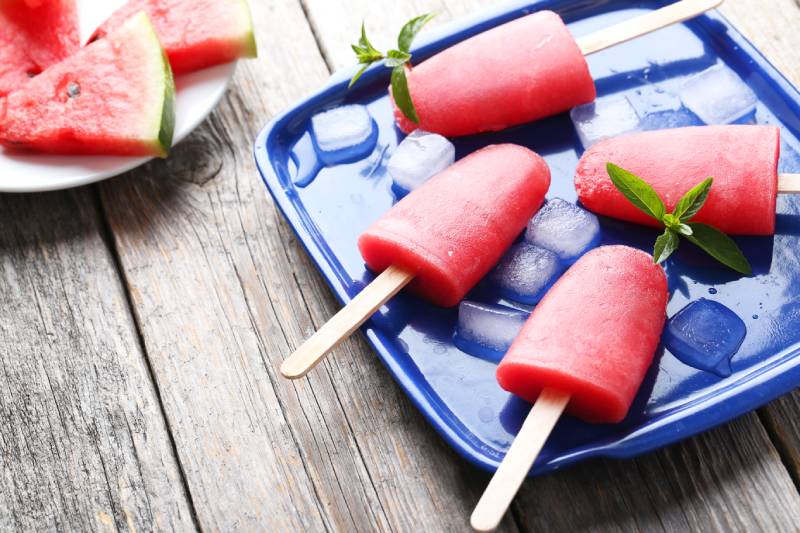
A popsicle stick is a thin piece of wood with rounded ends and is approximately 4 inches long. They can easily fit into most dog's mouths. They usually hold frozen food items, such as ice cream or frozen lollies, and are normally made from birch wood.
They are flat and thin, so it is easy for them to be missed when tidying up after a party or barbecue. This is often when dogs will find them and start chewing them. Some dogs like to scavenge in bins, so this is another common way they are ingested. Due to the fact they are thin, they can splinter in your dog's mouth and cause a number of different issues.
What to Do When Your Dog Ate a Popsicle Stick
1. Ensure your dog does not have access to any more popsicles.
Take your dog away from the area where they ate the popsicle stick. There might be a bin bag full of rubbish that they were nosing through, and they might find more. There might have been more dropped. Stay with your dog and keep a close eye on them. Clean up any discarded rubbish, and make sure all bins are dog-proofed too.
2. Contact your vet immediately.
Ensure your dog is supervised and call your vet straight away. Try to keep as calm as possible. Your vet will ask you some questions to assess the severity of the situation. These will include:
3. Follow your vet's instructions.
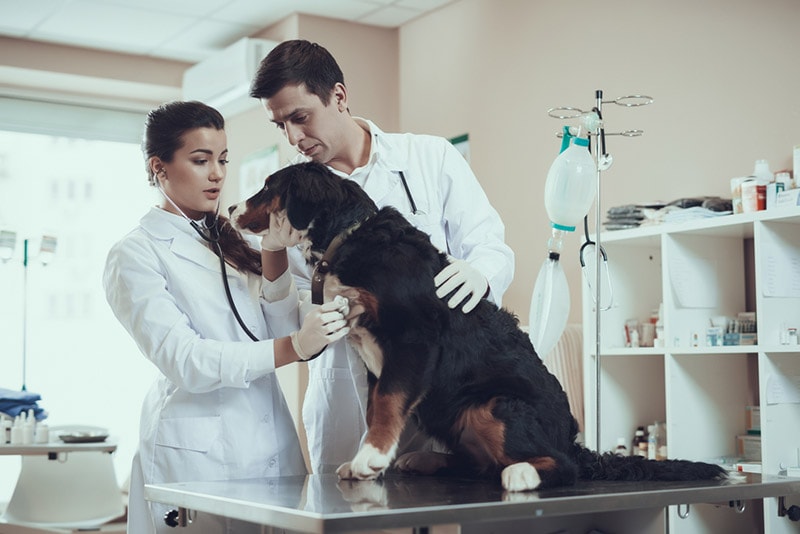
Your vet is very likely to want to examine your dog. They will advise you to bring your dog down to the clinic. If they ask you to come straight down, it is very important you get there as soon as possible.
4. Do not attempt to treat your dog at home.
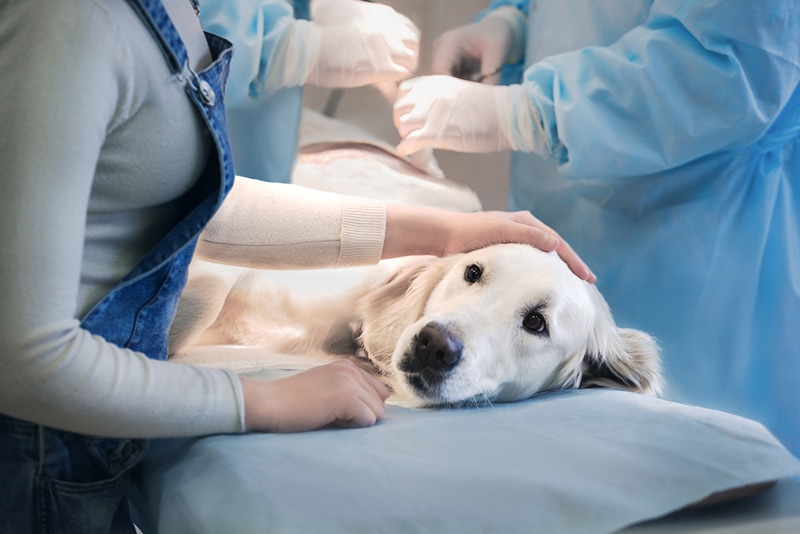
It is very dangerous to attempt to treat your dog at home without veterinary advice. Your dog may have chewed up the popsicle stick and parts of it may have become stuck somewhere. If this is the case, attempting to remove segments yourself at home is very likely to do more harm than good. Attempting to make your dog vomit at home is not recommended either. This can cause trauma if parts of the popsicle stick are spiking into parts of your dog’s anatomy.
Some people try to feed their dog bread to pad out the bits of ingested stick and protect the dog’s insides. There is no evidence to prove this actually works, and if your dog needs a general anesthetic to remove the stick at your vet, they will not be able to if they have eaten recently.
5. Keep a close eye on your dog.
Do not leave your dog unsupervised while you are talking to the vet on the phone or while you are preparing to leave to travel to the vet. It is also important to keep an eye on them to ensure they don't run off or escape before you get them to the vet.

The Risks of Eating a Popsicle Stick

The main issue with dogs eating popsicle sticks is that they are made of thin pieces of wood, so they can be chewed up easily and splinter inside your dog or get stuck somewhere. If your dog has chewed the stick thinking it is food, there may be sharp, pointy parts left exposed. If these parts are swallowed, there is a risk they could push through the gastrointestinal tract and cause perforation of the lining. This is a serious medical emergency if this occurs. Your dog will be in danger of developing septic peritonitis rapidly, and it can even result in death if left untreated.
The popsicle stick can also migrate to different areas in the body1 once it has been swallowed. It can move into larger organs such as the liver or into the thoracic cavity and penetrate the lungs. Small, splintered parts of the popsicle stick can be left and cause a foreign body reaction which can make your dog very sick.
The popsicle stick may not even make it to your dog's stomach, and small parts may get stuck in and around your dog's mouth or throat area. Even the smallest splinter can become embedded in soft tissue and cause swelling and abscess formation. Small sections can be extremely difficult to locate2 in exploratory surgeries and often require advanced imaging such as CT or MRI for diagnosis and successful treatment. Sometimes the popsicle stick (or parts of it) can pass through the gastrointestinal tract completely and get passed out to the other end. If this is the case, your dog may be extremely uncomfortable, or they may not even notice. It does depend on the size of the dog and other things they have eaten at the same time.
Clinical Signs Your Dog May Have Eaten a Popsicle Stick
Even if you didn't physically see your dog eat a popsicle stick but there are some missing and you have suspicions, there are a few tell-tale signs you can monitor for. If you see any of these signs, it is strongly advised you ring your vet to arrange a check-up.
How to Treat a Dog That Has Eaten a Popsicle Stick
Your vet will have asked you to attend the veterinary hospital. When you arrive, they will admit your dog and triage them. They will determine if they need any emergency treatment first. If your dog is stable, they will be able to arrange less urgent tests such as blood tests and diagnostic imaging. Options for treatment include:
1. Monitoring Your Dog
Your vet can admit your dog and monitor them. This is only an option if your dog is deemed to be very low risk. For example, if your dog is a very large breed and only an extremely small popsicle stick has been eaten. However, despite the size of your dog and the stick, if the popsicle stick has been eaten, there is always a risk that part of the stick will perforate the guts. The normal peristalsis of the guts causes rhythmic movement that can cause parts of the stick to push through soft tissue at any time.
Having said that, some dogs who eat popsicle sticks are able to pass them out in their feces.

2. Endoscopy
Some vet hospitals have an endoscope. This is a long, thin tube with a camera at the end of it. It can be inserted into your dog's mouth and pushed gently down into the stomach. It allows for visualization of any foreign bodies in the stomach and facilitates their retrieval, as another probe with a grabbing instrument on the end can also be inserted and used to pick up any pieces of popsicle stick. An endoscope is an expensive piece of equipment that requires training to use, so your vet practice may or may not have access to one. Depending on the location of the popsicle stick, it may not be appropriate for use.
Endoscopy is usually carried out under general anesthetic, so your dog must be healthy enough to endure this.
3. Surgical Retrieval
Surgical retrieval of the popsicle stick is sometimes carried out. This often happens if there is a suspicion that some or all of the popsicle stick is stuck somewhere in the gastrointestinal tract. Especially if it cannot be accessed by endoscopy, or if endoscopy isn't available, your vet will try to remove it via a surgical incision. Your dog will be under general anesthesia when this happens.
Sometimes the popsicle stick has caused damage as it has moved along the gastrointestinal tract. Your vet will assess the guts and check that there is no damage. If there are sections that have been affected, they may require removal. This is a big operation, and your dog may need to be hospitalized for a few days.

How to Prevent Your Dog From Eating Popsicle Sticks
Prevention is always better than cure. There are a few simple measures you can take to ensure your dog does not have access to any popsicle sticks and ends up eating them.

Final Thoughts
Dogs often scavenge food. They are very resourceful and can steal food from the most unusual places. Popsicle sticks are a common item that dogs will eat by mistake as they are attracted to remnants of food on the stick.
If you have seen your dog eat a popsicle stick or are suspicious they have eaten one, contact your vet immediately for advice. Eating a popsicle stick can cause serious issues for dogs. Depending on their size and breed it can have fatal consequences. Your vet will be able to give your dog the necessary treatment required and advise you on what action to take to ensure that your dog is looked after properly.
See Also:
Featured Image Credit: Aline Ponce, Pixabay
Get Hepper In Your Inbox


Pet care tips from our vets and experts, straight to your inbox.
You may opt-out at any time. View our Privacy Policy for more information.
Dr. Emma is an experienced vet who is always happy to share her knowledge and expertise with our readers. Her passion is surgery but she will happily talk about anything animal related. Dr. Chandley graduated from The Royal Vet College and since then she has worked in general practice in the UK. She has completed a postgraduate certificate in Small Animal Surgery and has also gained Advanced Practitioner status in the same discipline. She enjoys developing her skills in clinical pathology, animal behavior and nutrition as well.
Emma is an experienced veterinarian who is always happy to share her knowledge and expertise with our readers. She is passionate about surgery but will happily talk about anything animal related.
Experience
Since graduating, Dr. Emma has worked in general practice in the UK. She has completed a postgraduate certificate in Small Animal Surgery and has also gained Advanced Practitioner status in the same discipline. She also has expert knowledge in small animal medicine with a special interest in Endocrinology, although surgery is her passion. She enjoys developing her skills in clinical pathology, animal behavior, and nutrition as well.
Education
Emma received her degree from the Royal Vet College, University of London. She obtained her postgraduate certificate from the British Small Animal Veterinary Association and Nottingham Trent University.
She was granted Advanced Practitioner status by The Royal College of Veterinary Surgeons.
Join the conversation
Ask a question, share your story, or send private feedback.