Hepper is reader-supported. When you buy via links on our site, we may earn an affiliate commission at no cost to you. Learn more.
Why Do Baby Rabbits Die Suddenly? 11 Vet-Reviewed Common Reasons


In this article
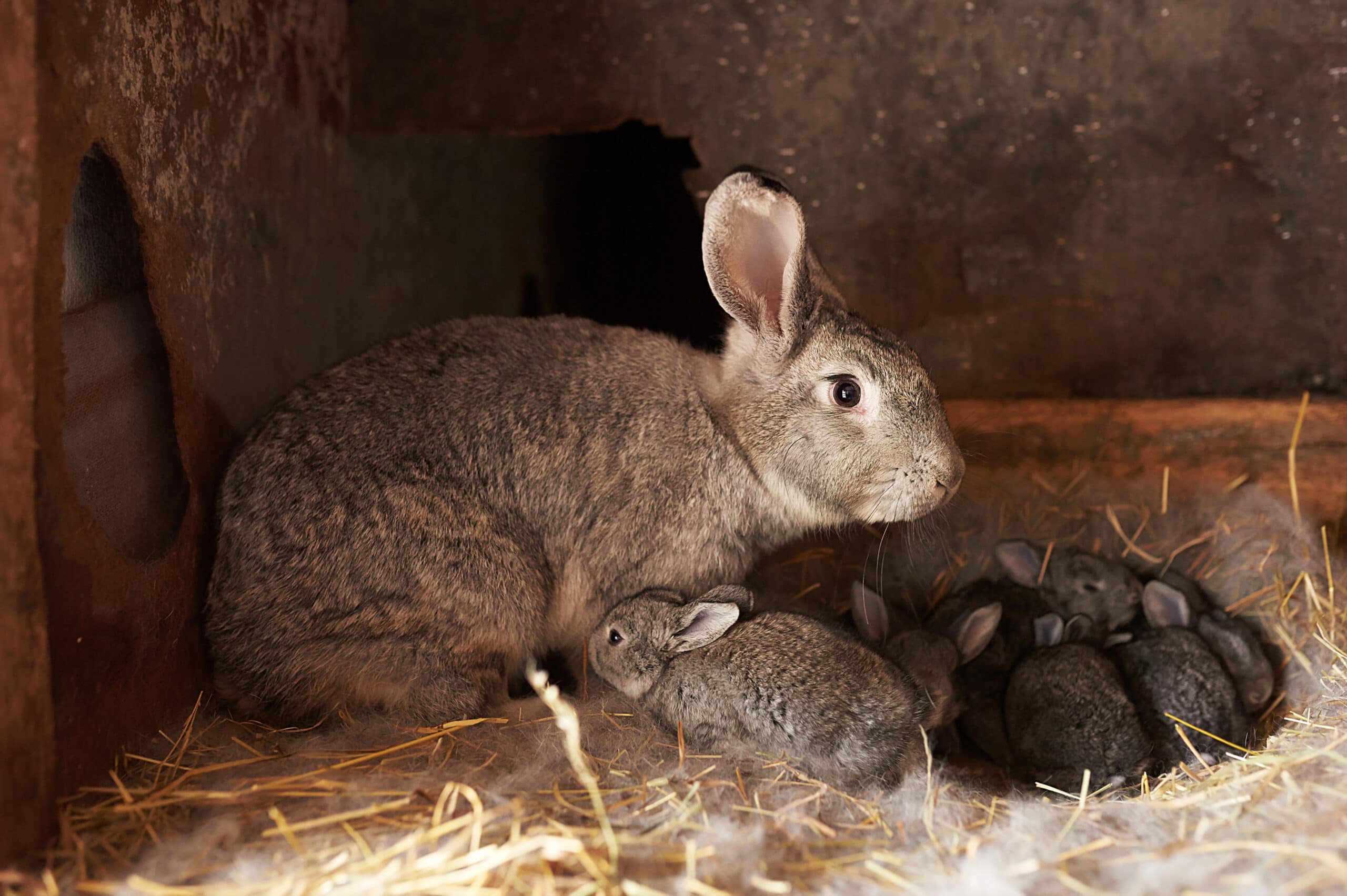
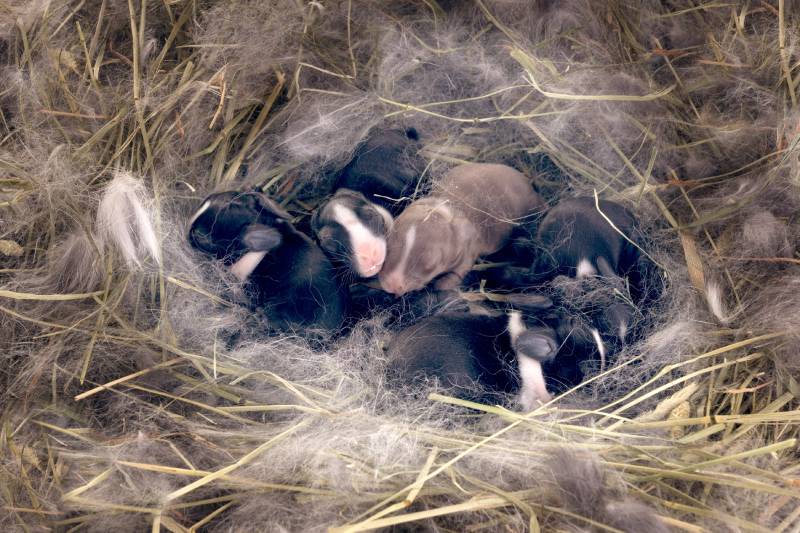
Losing a pet at any age is heartbreaking, but it seems so unfair when they don’t even get a chance to live a long life. Baby rabbits are particularly prone to dying suddenly, and more often than not, you won’t know why.
There are several reasons that a baby rabbit will die unexpectedly, all of which we discuss here. Hopefully, being aware of what causes rabbits to die prematurely will help you be better prepared to keep your baby bunnies safe.

The 11 Reasons Why Baby Rabbits Die Suddenly
1. Gastrointestinal Stasis
Gastrointestinal stasis is one of the most common causes of death in young rabbits 1. This is a form of blockage in the GI tract. Usually, dried-out mats of fur combined with food form an impaction in the stomach and sometimes, the large intestine.
Rabbits will stop eating or eat less, and over the course of a few days, they become dehydrated and are weak and listless. If left untreated, they will die.
2. Shock
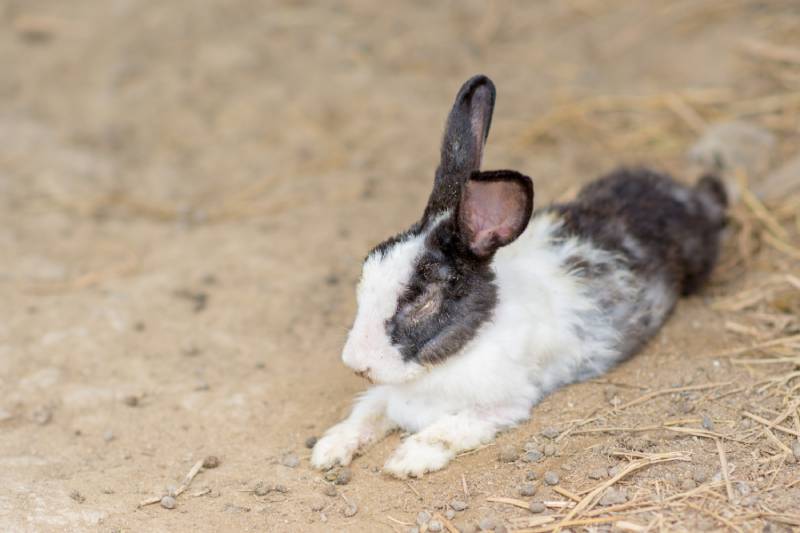
Since rabbits are prey animals, they are susceptible to going into shock when frightened and stressed. Baby rabbits are even more prone to this and are more likely to die from it. They can quite literally die from fear 2.
It can be caused by sudden loud noises or the proximity of a predator animal (including cats and dogs). When a rabbit goes into shock, they can experience the following signs:
- Limp and weak
- Rapid breathing
- Struggling to breathe
- Hypothermia
- Shivering
- Pale gums
- Weak pulse
- Cold ears
- Glassy-eyed
Some rabbits might experience a heart attack from severe fright. This is rare in general but more common in young rabbits. Without treatment, a rabbit in shock will likely die, so it is essential to call your vet. They can instruct you on your next steps, which might include warming up your rabbit.
3. Abandonment or Death of the Mother
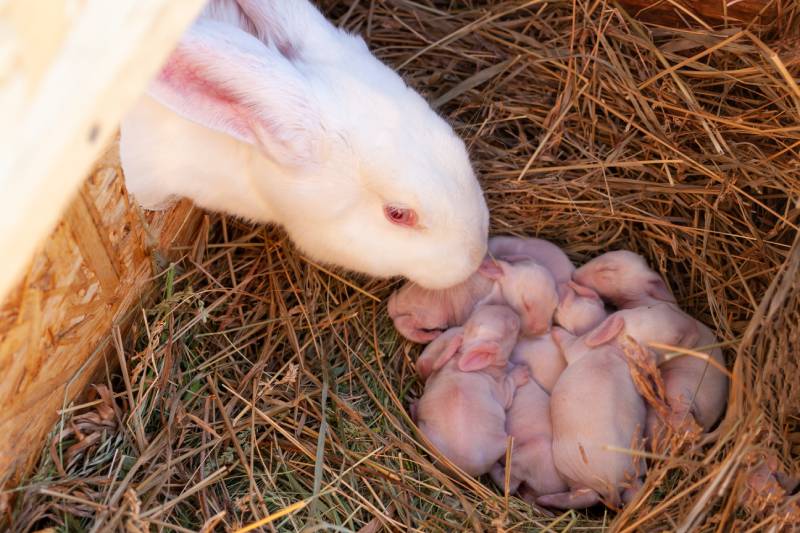
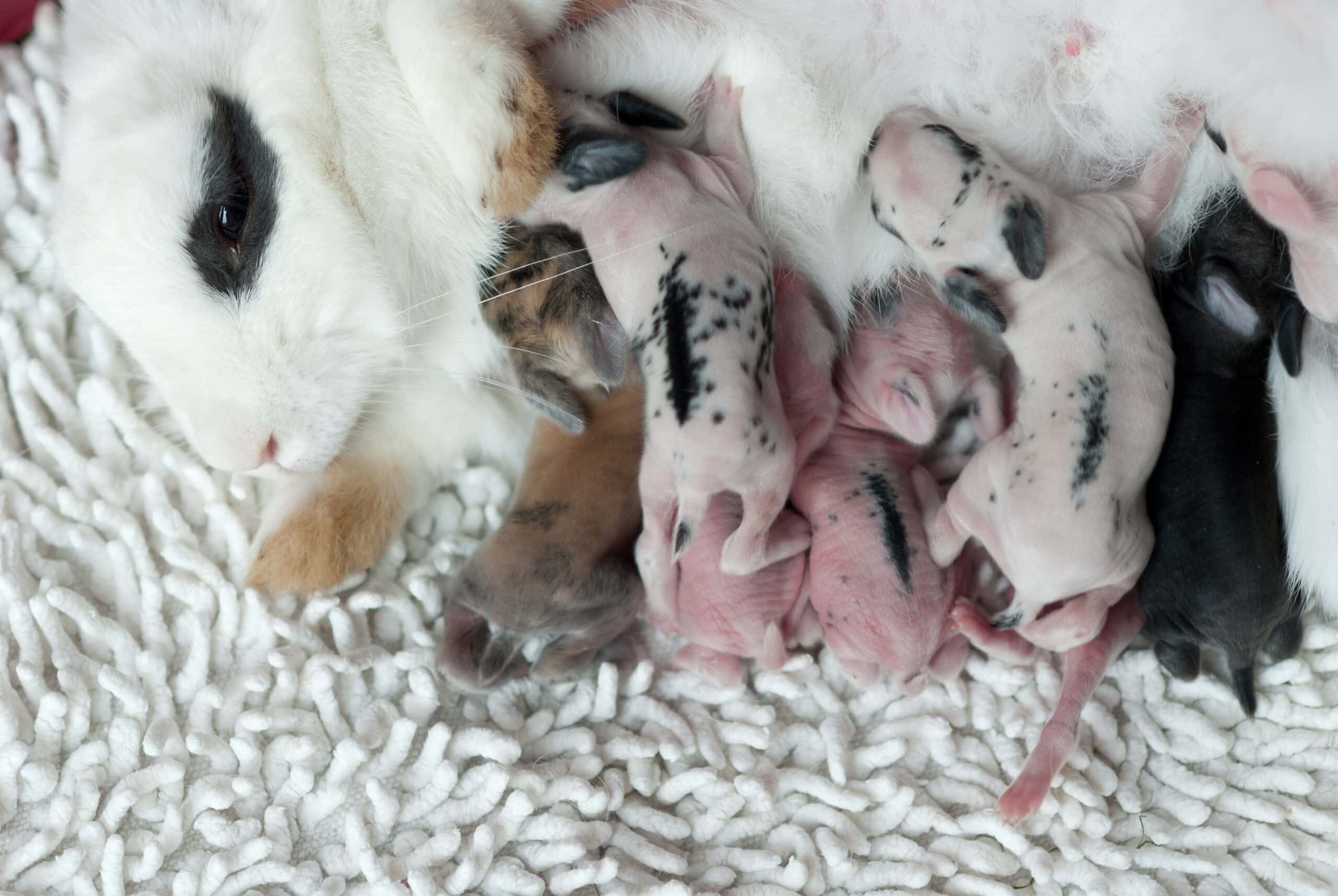
Baby rabbits spend about 25% of their lives with their mothers, so if a rabbit is abandoned by their mother or if she dies while they are still nursing, they can die from starvation.
New does (mother rabbits) and does that are still quite young tend to see a lower survival rate of their offspring. Some does will abandon their litter due to stress if severely frightened.
4. Large Litters
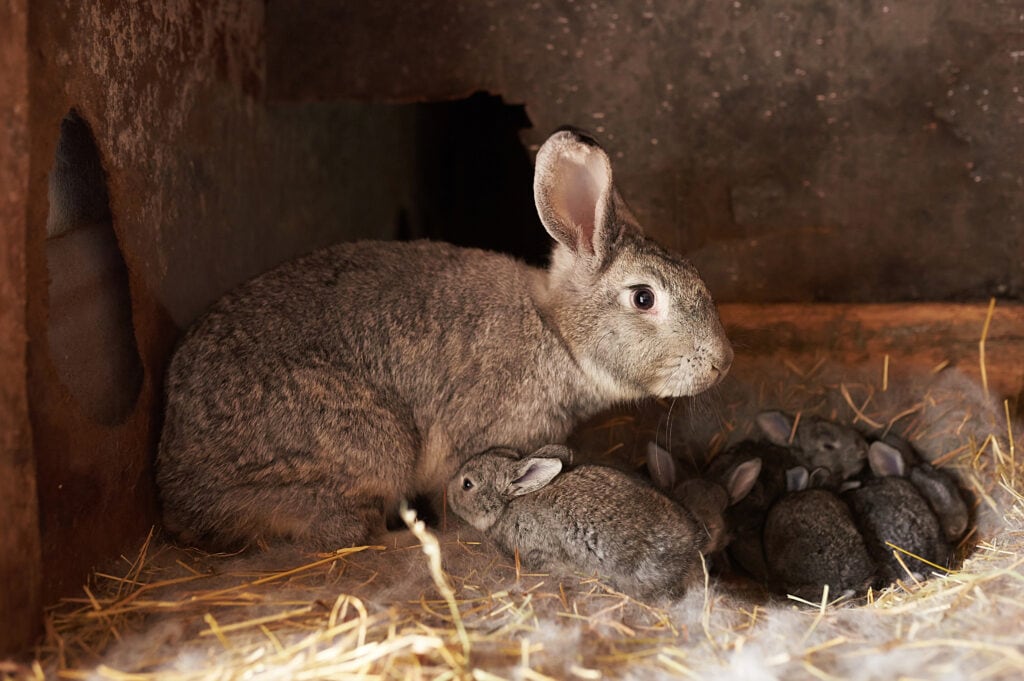
If a doe has too large a litter, it increases the likelihood that not all the kits (baby rabbits) will survive. The average litter size is about five kits, but the more kits, the higher the mortality rate.
According to MediRabbit, if the litter size is 10 kits, the mortality rate is 20% 3. With a litter of 12 or more kits, the rate increases to 30%. Large litters will also likely include runts, in which starvation will occur.
5. Mother’s Diet
What the mother rabbit eats while pregnant will impact the offspring directly. If she eats a healthy diet, including clean drinking water with appropriate supplements, it improves her milk production and protects her against digestive diseases.
If the doe ingests food or water contaminated with rodent feces, for example, it can stress her system, especially when she is kindling (giving birth).
6. Mucoid Enteropathy
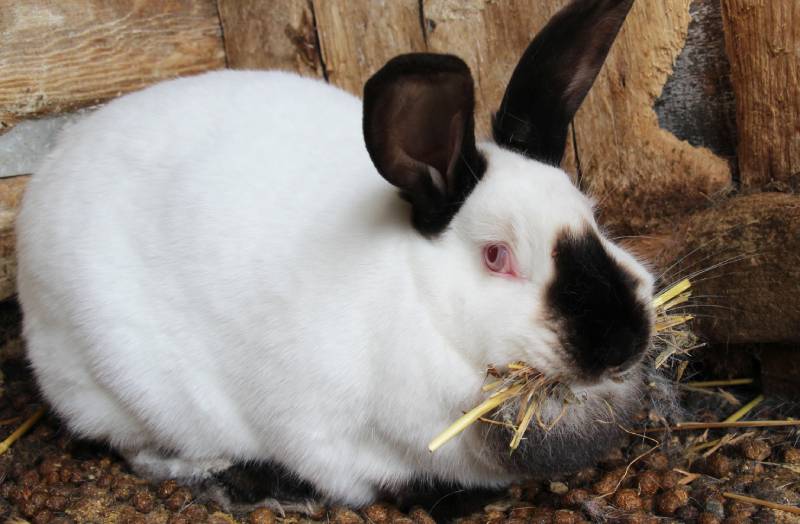
Mucoid enteropathy occurs most commonly in young rabbits. It is a disease of the intestinal tract in which both the large and small intestines become inflamed. Excessive amounts of mucous are both secreted and accumulated in the intestinal tract.
Signs include:
The prognosis in young rabbits is poor, but there is a chance of treating older rabbits.
7. Accidental Crushing or Smothering
If the doe is stressed and nervous, she might accidentally kill her offspring. Rabbits thump their hind feet as a way to send a warning when there’s danger or sometimes when they’re angry.
A doe might thump her back feet and accidentally crush her babies or sit the wrong way and smother them.
8. Fly Strike
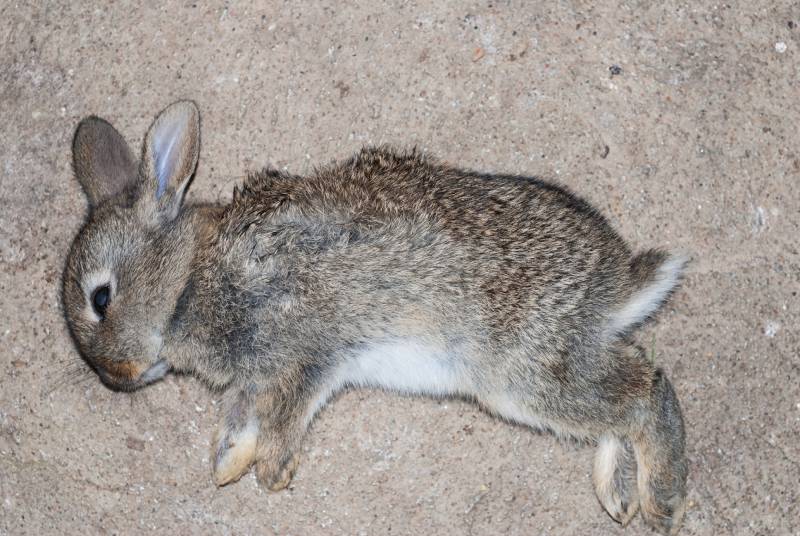
Fly strike can affect rabbits of all ages, particularly those outside during the summer months. That said, this condition only really occurs with rabbits that aren’t well taken care of. This is when flies lay eggs on a rabbit, and when the maggots hatch, they eat their way through the rabbit’s tissues.
9. Temperature and Weather Extremes
If the environment where the baby rabbits are housed is too cold or too warm, it could end in fatalities. Domestic rabbits, particularly kits, must be kept in a nest with their mother, protected from weather elements and extremes.
Baby rabbits left in damp, cold, or hot conditions can die quite suddenly from overexposure. It can also result in other health conditions, such as pneumonia or diarrhea.
10. Parasites
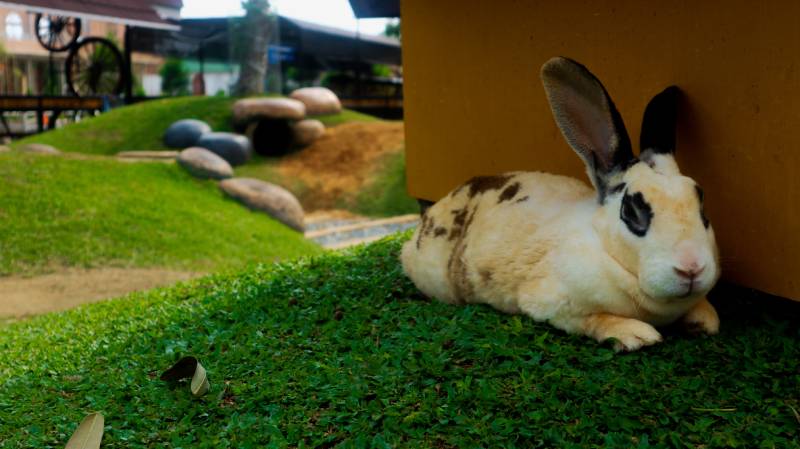
Young rabbits are vulnerable to several parasites, with coccidia being a common one that only infects rabbits, particularly young ones. Any baby rabbits living in poor conditions are more likely to become infected and die. A rabbit can get coccidia by eating the feces of another rabbit with the parasite.
Staphylococcosis is a parasite that can be passed onto the offspring of an infected doe.
11. Contagious Infections
Certain contagious infections can affect some, if not all, of a litter of kits. Pasturella is a common bacterial disease that can be passed from mother to babies. Being in close quarters with other rabbits can easily cause infections to spread through the entire litter.
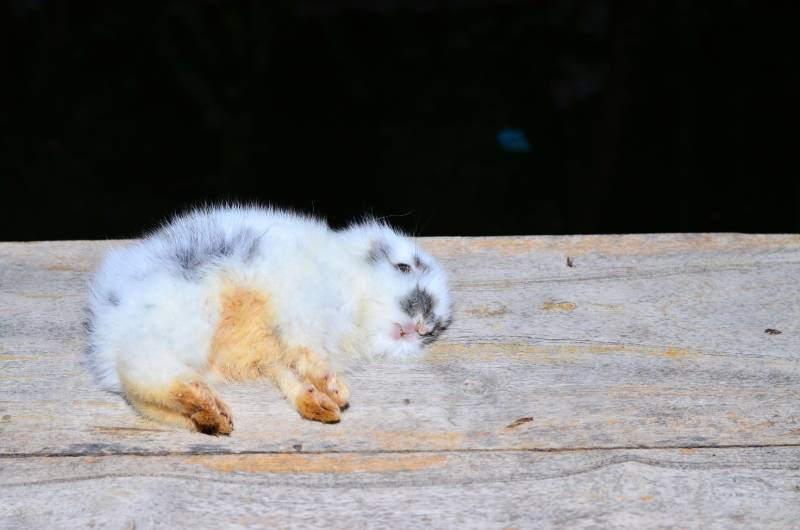

Common Causes of Death in Rabbits
Many baby rabbit fatalities are due to their living conditions, including diarrhea, poor hygiene, overcrowding, bacterial infections, and parasites. Owners not being knowledgeable enough about the care of rabbits is also a factor. Too much noise, movement, lights, and predators around rabbits will affect their health and well-being.
That said, in many cases, you might never find out why your baby rabbit died. If you have more than one rabbit, it could be beneficial to have the body necropsied, which might tell you what caused the death. This way, if something might infect the other rabbits, you’ll have a better idea of how to tackle it. But if it is stress-related, it won’t show up in the autopsy.
Conclusion
While some causes of fatalities in baby rabbits are not preventable, many of them are. As long as the owner has researched the best ways to care for a baby rabbit, quite a few of these problems are less likely to occur.
You’ll need to ensure that the rabbit enclosure is in a quiet place, without anything predator-like coming around. A sudden movement, noise, light, and so on can send a rabbit into shock, which is quite serious and needs a vet to treat.
If your rabbit is showing signs of shock or is just not behaving normally, such as not eating, speak to a vet who specializes in exotics like rabbits. This way, you can rest easy that you’ve done your best, and hopefully, your pet will pull through.
Featured Image Credit: Roselynne, Shutterstock
Get Hepper In Your Inbox


Pet care tips from our vets and experts, straight to your inbox.
You may opt-out at any time. View our Privacy Policy for more information.
Kathryn was a librarian in a previous lifetime and is currently a writer about all things animals. When she was a child, she hoped to work in zoos or with wildlife in some way, thanks to her strong love for animals. Unfortunately, she's not strong in the sciences, so she fills her days with researching and writing about all kinds of animals and spends time playing with her adorable but terribly mischievous tabby cat, Bella. Kathryn is hoping to add to her family in the near future – maybe another cat and a dog.
Join the conversation
Ask a question, share your story, or send private feedback.