Hepper is reader-supported. When you buy via links on our site, we may earn an affiliate commission at no cost to you. Learn more.
When Should Dogs Stop Eating Puppy Food? Vet-Approved Tips & FAQ


In this article
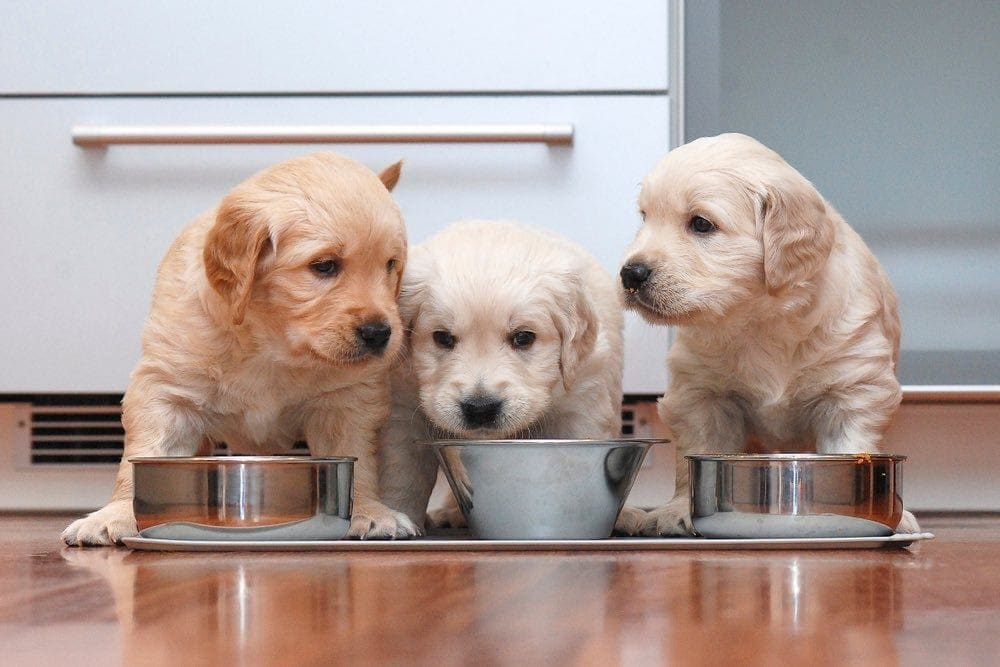
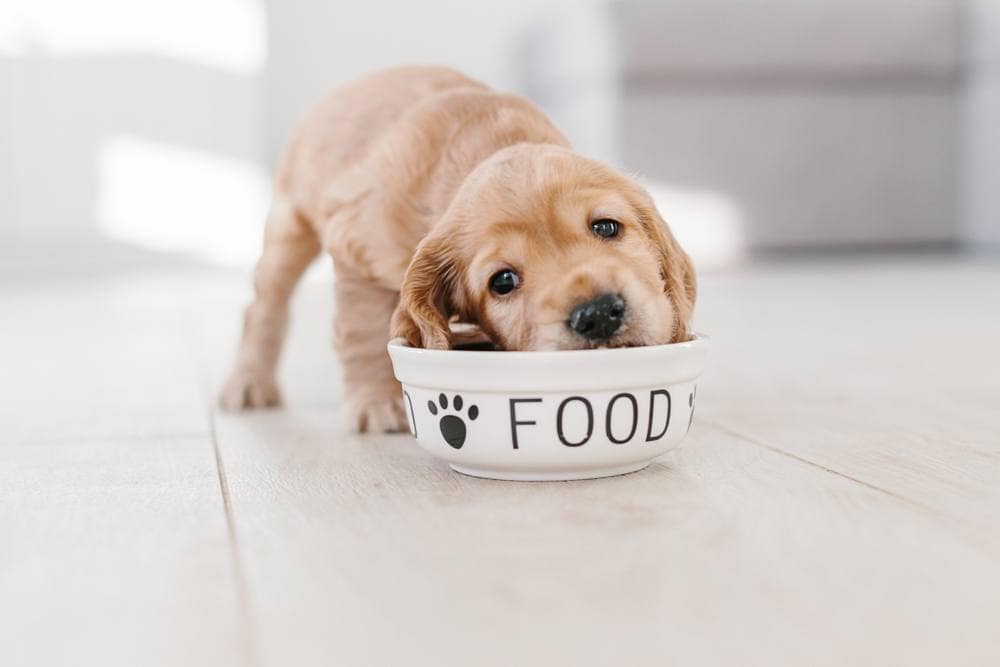
If you’re the owner of a puppy, you know these little guys need a lot of calories to help them stay a healthy weight and size while growing. They also need puppy-specific food to get all the nutrients required to grow healthy and strong. At some point, though, you’ll need to switch your puppy to an adult dog food. But when should dogs stop eating puppy food?
Every dog breed and individual dog is unique, so the answer to this question will vary, but most dogs will need to stop eating puppy food between 9 months and 1 year of age.
However, some dogs will make the switch after the one-year mark. When the moment to switch your pup to adult food is right will depend on factors such as the breed of your dog and their size. Here’s what to know about changing your little one to adult dog food.

How are Puppy and Adult Food Different?
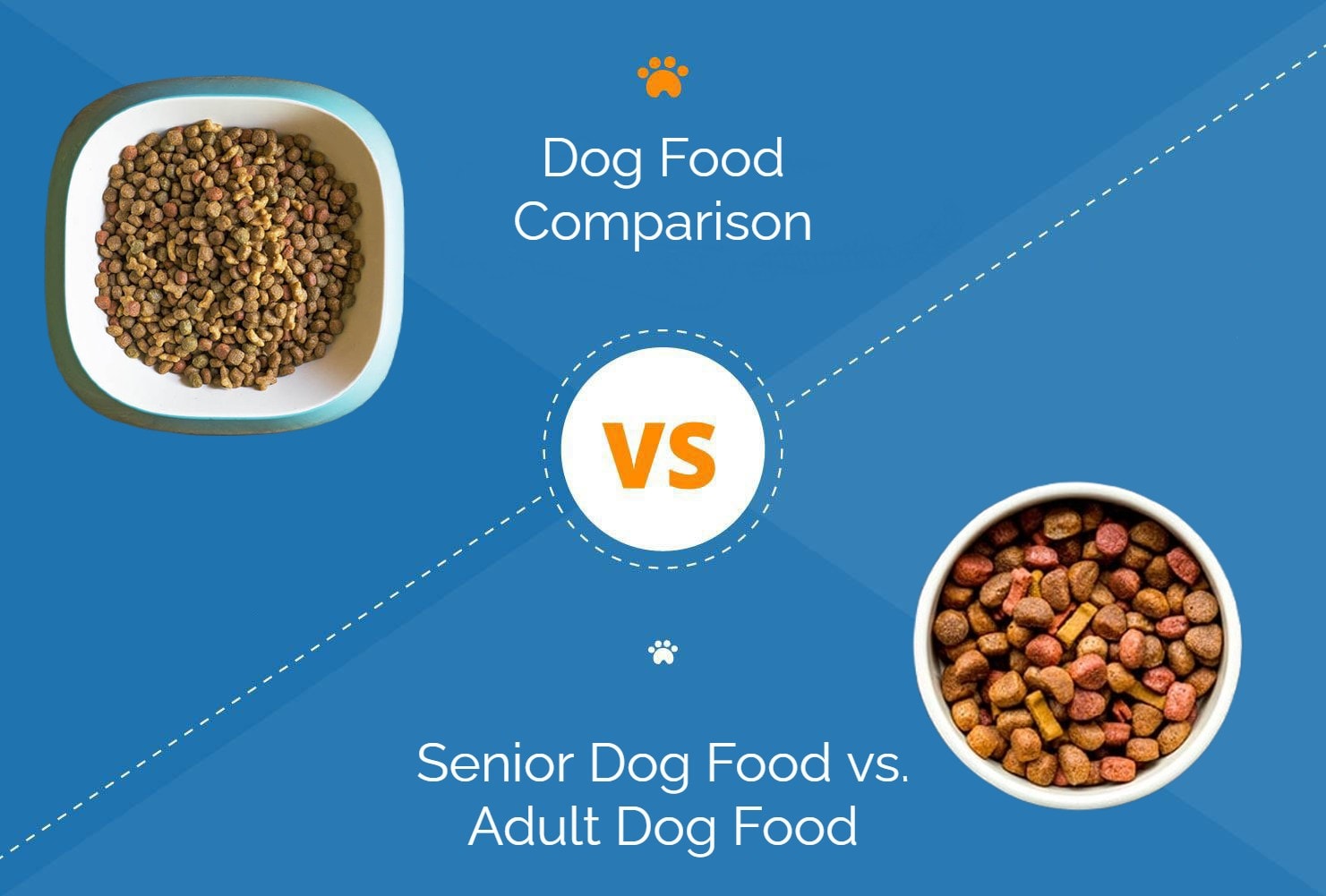
First, why do you need to switch your puppy to an adult dog food anyway? How do these foods differ?
According to the Association of American Feed Control Officials (AAFCO) 1, which regulates the distribution and sale of pet foods, food for puppies needs to be higher in phosphorus, calcium, fat, and protein than food for adult dogs. The higher concentrations of these elements ensure bones grow as they should and lean muscle is formed; plus, it means the food has enough calories for puppies to continue growing while also maintaining essential functions, like digestion and movement. A lot of puppy foods will also include more omega-3 fatty acids to support eye and brain development.
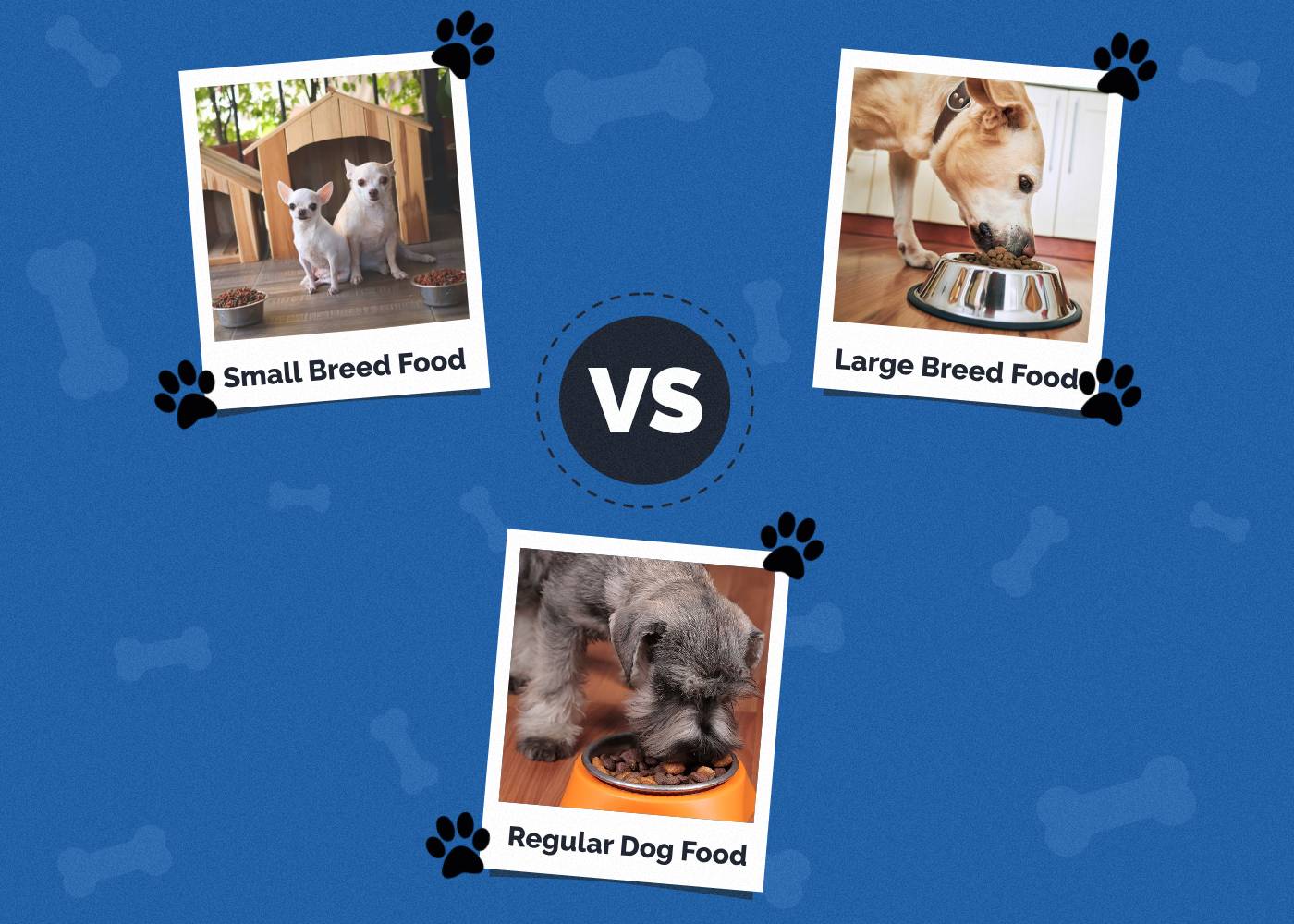
Then there are puppy foods that are breed-specific that include different elements than adult breed-specific foods do. For example, large breed dogs need their growth moderated so they don’t grow too fast and develop joint issues like hip or elbow dysplasia. So, puppy food for large breed dogs would need lesser amounts of calcium, phosphorus, and fat.
In general, puppy foods are specifically formulated to meet the nutritional requirements of puppies. But once your pet hits adulthood, it won’t need as much fat, calories, or protein as they did earlier in life.

What Factors Affect the Age a Puppy Should Be Switched to Adult Food?
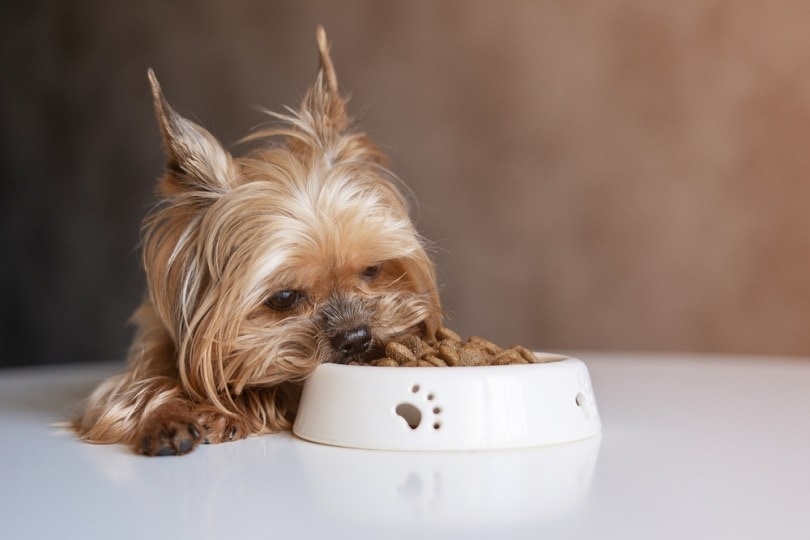
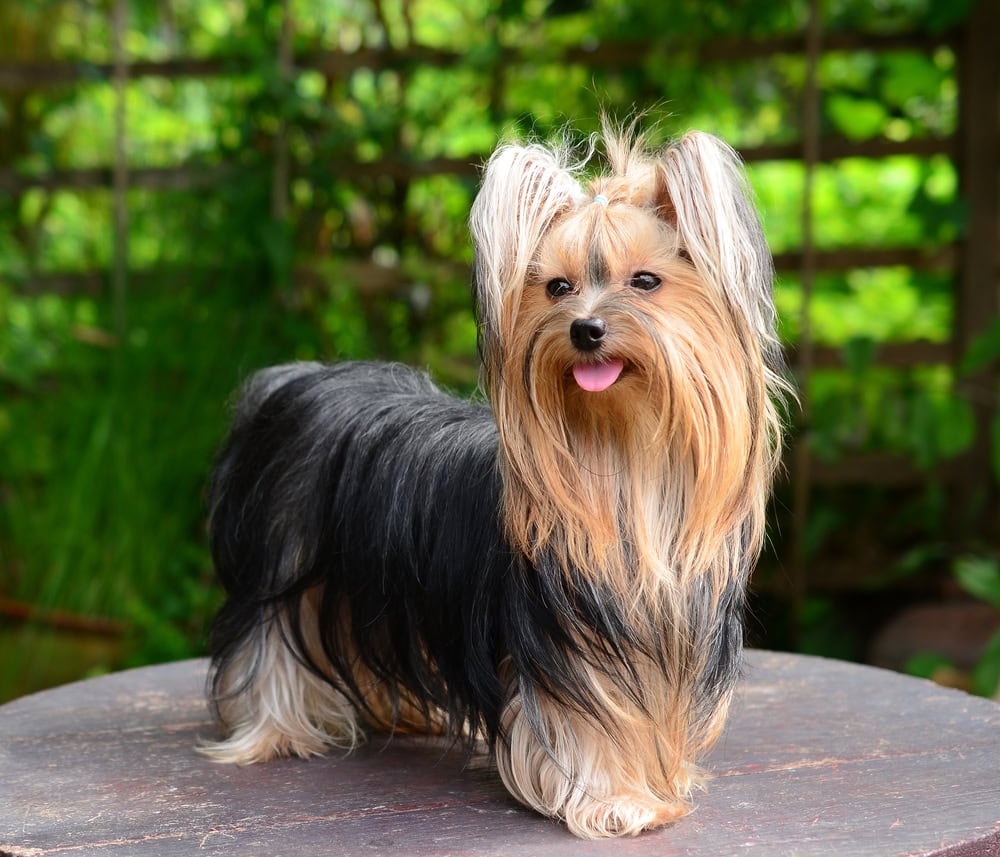
The main factors that affect what age a puppy should be switched to adult dog food are the dog’s breed and size. This is because small-breed dogs mature more quickly than large-breed dogs do. So, a Yorkie would need to switch to adult food before a Great Dane would. There are some general guidelines for breed and size you can follow:
Small breeds (up to 25 pounds when fully grown) reach adulthood between 10 and 12 months of age, so they should be switched to adult food around the 9-to-10-month mark.
Medium breeds (25 to 50 pounds when fully grown) reach their adult size between 12 and 15 months of age, so they can be switched between 12 and 14 months.
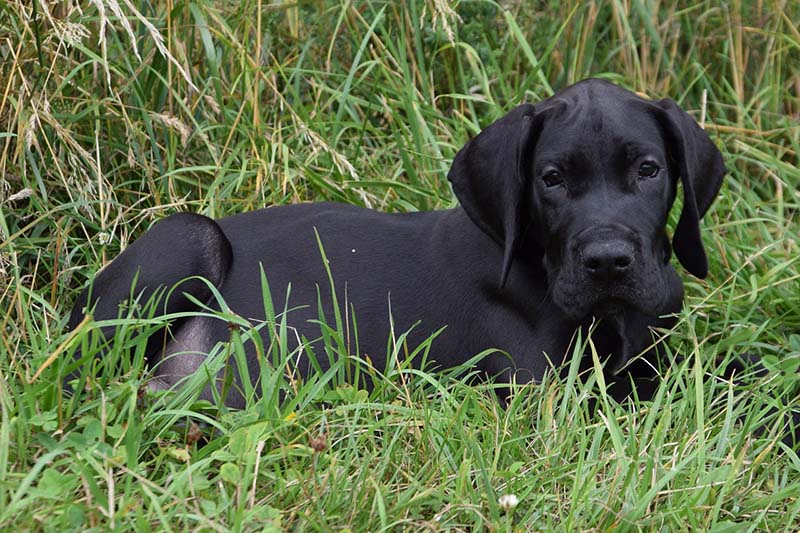
Large breeds (over 50 pounds when fully grown) mature much more slowly than other breeds, not reaching their adult size until anywhere from 15 to 24 months of age. You’ll want to switch a large breed dog between 14 and 24 months.
If you’re unsure when it would be best to make the food switch for your dog, we advise talking to your vet. We also advise speaking with your vet if your pup is particularly athletic, as they might do better on puppy food for a bit longer to keep up with their higher activity level.

What Happens if I Switch My Puppy’s Food Too Late (or Too Early)?
Switching your puppy to adult food at the right time is important, as there can be negative consequences if you switch too late or too early.
Puppies that are switched to adult food later than they should be may be more likely to experience obesity and the health issues that come along with obesity (as puppy food has more fat and calories than adult dog food). And for some breeds, the extra calories and higher protein content in puppy food might cause them to grow too quickly, resulting in joint issues when they are an adult.
What happens if your dog is switched to adult food too early? This can result in your pup experiencing a lack of proper nutrition, leading to nutritional deficiencies, abnormal growth that has them not reaching their adult size when they should, and making them more likely to experience joint, bone, eye, and brain issues in the future.

How to Safely Switch a Puppy to Adult Food
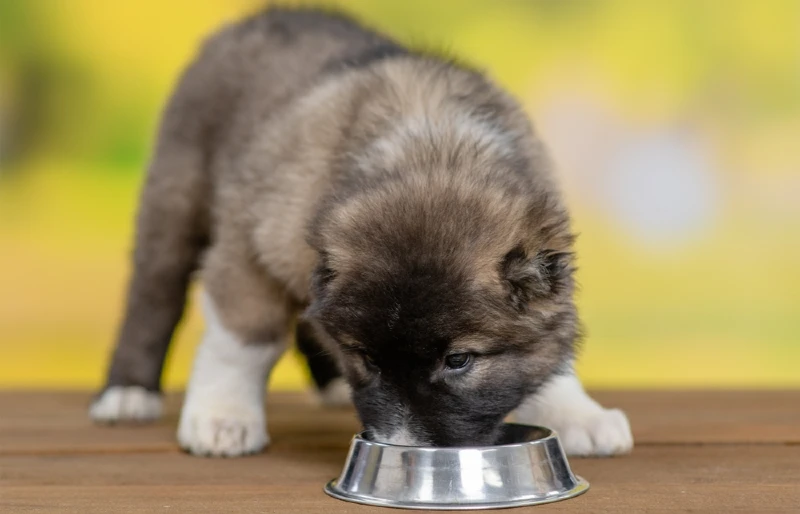
When it’s time to switch your little one to adult dog food, you don’t want to just feed them puppy chow one day and adult food the next. Changing their food like that could lead to stomach upset! Instead, you’ll want to slowly switch out your pet’s food over a few days.
You can do this by mixing your pet’s food on day one, so 25% is adult food, and 75% is puppy food. The next day, you can make the mix 50/50. The following day the mix can be 25% puppy food and 75% adult, and finally, 100% adult food on the last day. If your dog seems to be having issues stomaching the switch, make the change even more gradual by keeping it at 25% adult and 75% puppy for a few days, and so on.
Optimize the benefits of your dog's diet with our calorie calculator here.
Final Thoughts
Switching your puppy to adult food is an important step and one you need to be sure you do at the proper time. Switching your pet to adult food sooner or later than needed may result in them having health issues further down the line. The time you need to switch your pet over to adult food will vary by breed and size, though, as dogs mature at different rates. If you aren’t entirely sure when exactly you should switch your pet over, speak with your vet to find out.
Featured Image Credit: New Africa, Shutterstock
Get Hepper In Your Inbox


Pet care tips from our vets and experts, straight to your inbox.
You may opt-out at any time. View our Privacy Policy for more information.
Misty Layne lives out in the woods in small-town Alabama with her two Siamese—Serafina and Jasper. She also has an array of stray cats, raccoons, and possums who like to call her front porch home. When she’s not writing about animals, you’ll find her writing poetry, stories, and film reviews (the animals are, by far, her favorite writing topic, though!). In her free time, Misty enjoys chilling with her cats, playing piano, watching indie and foreign films, photographing abandoned places, and catching up on her never-ending TBR list.
Join the conversation
Ask a question, share your story, or send private feedback.