Hepper is reader-supported. When you buy via links on our site, we may earn an affiliate commission at no cost to you. Learn more.
How Cats Get Ringworm: Vet-Approved Causes, Symptoms & Prevention


In this article
Like all animals and people, cats can suffer from a variety of different skin and hair conditions. The most common infectious skin condition in cats is ringworm. Once your cat gets ringworm, it can be time-consuming and expensive to treat. To add to the stress, ringworm is strongly contagious both to other animals and people.
Because ringworm can be such a hassle to treat, ideally you’d like to avoid your cat ever getting it. So how do cats get ringworm in the first place? If your cat stays indoors, can they still get ringworm? How can you prevent your cat from getting ringworm? The answers to all these questions will be discussed in this article.

What Is Ringworm?
Despite its confusing name, ringworm isn’t caused by a worm. Ringworm is a fungal disease, caused by several fungi of the Microsporum or Trichophyton genus. They are sometimes referred to as dermatophytes. The proper name that describes this disease is dermatophytosis.
Dermatophytes occur naturally in the environment, living in the soil, especially in warm, moist places. The spores of the fungi are easily spread through the air or by attaching to animals or objects. Once ringworm infects an animal or person, it feeds on keratin, the protein in hair and skin.
How Do Cats Get Ringworm?
Cats get ringworm through direct contact with the fungal spores themselves. This could be through contact with another infected animal or contact with an object contaminated with ringworm spores. Unlike some types of fungal infections, ringworm is not species-specific, meaning it can infect cats, dogs, or humans and they can then infect each other.
One of the trickiest things about ringworm is how long the fungal spores can live in the environment. Reportedly, ringworm can live on surfaces including bedding, furniture, brushes, and food bowls for up to 18 months.
Another concerning trait of ringworm is that a cat can be infected with ringworm without showing any symptoms. Your cat could have contact with an infected cat without you knowing until it’s too late.
Unfortunately, just because your cat stays strictly indoors, they aren’t automatically going to avoid ringworm. The spores can hitch a ride indoors on another animal, like the family dog, or even on you! They can also be spread into the house through open windows and doors or your heating and air conditioning system.
What Happens When My Cat Is Exposed to Ringworm?
Once your cat is exposed to ringworm, they won’t necessarily be infected and show symptoms right away. The number of ringworm spores on a cat’s body must reach a certain point before an infection develops. This amount varies by cat but the age, health, and stress level of the cat play a huge role in how likely they are to develop an infection.
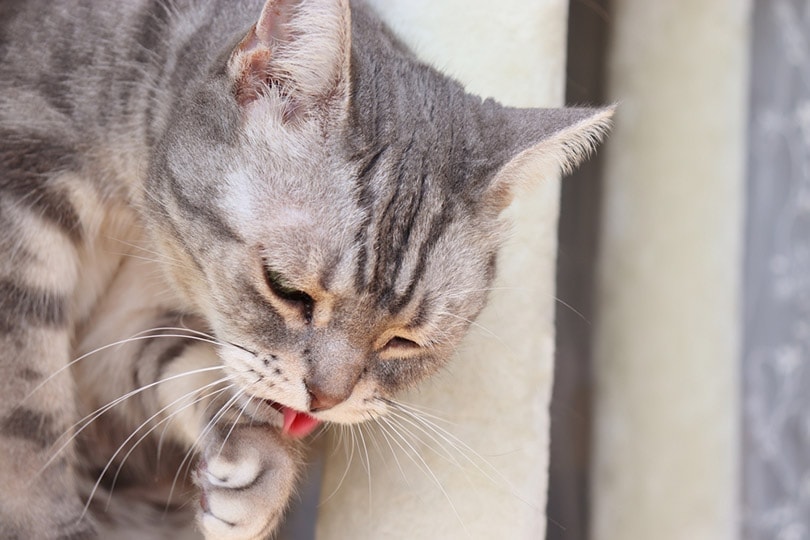
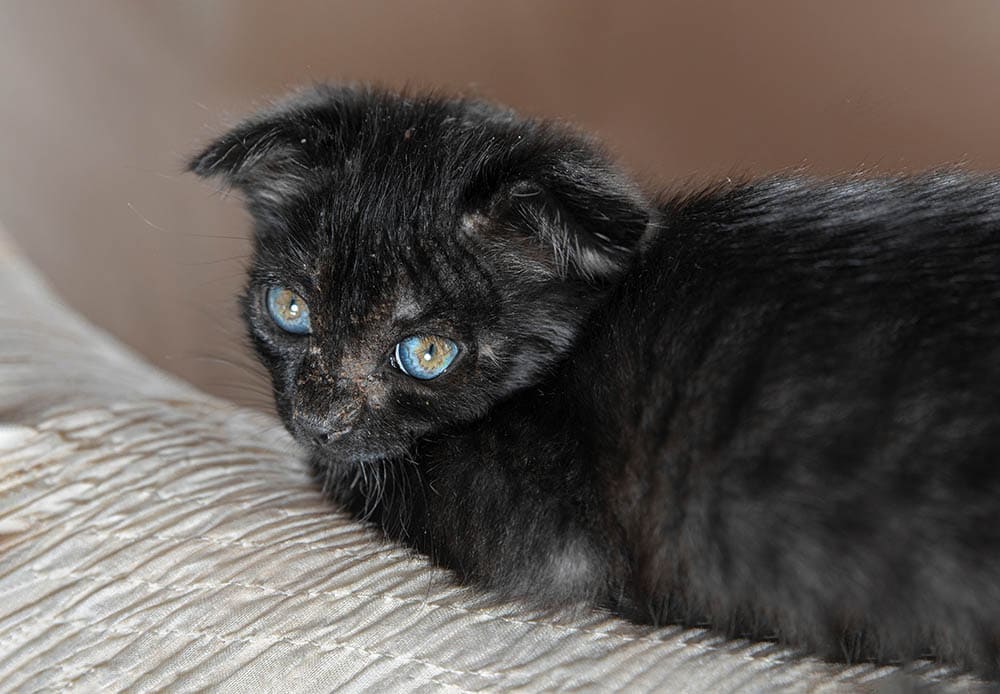
Kittens, older cats, and cats in high-stress environments like animal shelters are most likely to develop ringworm infections. Healthy adult cats who keep themselves well-groomed may successfully fight off infection, often by grooming the spores off themselves before they cause a problem.
Once your cat is exposed to ringworm, it can take 7-14 days before symptoms develop if they do become infected.
What Are the Symptoms of Ringworm?
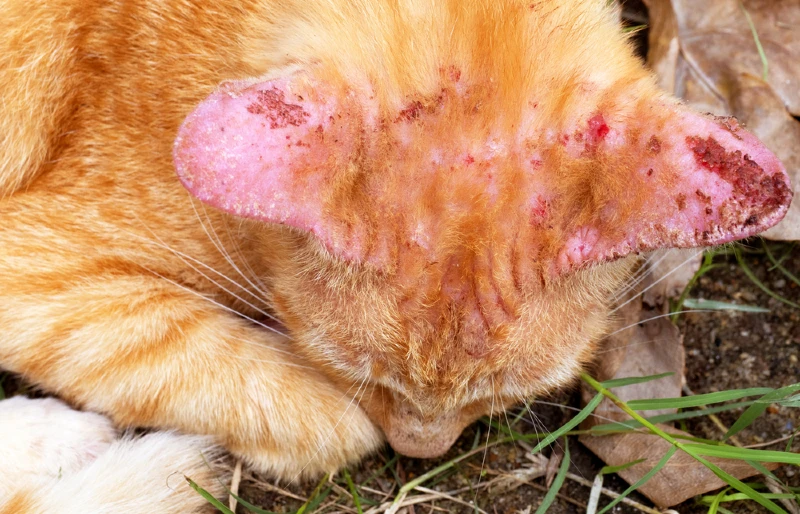
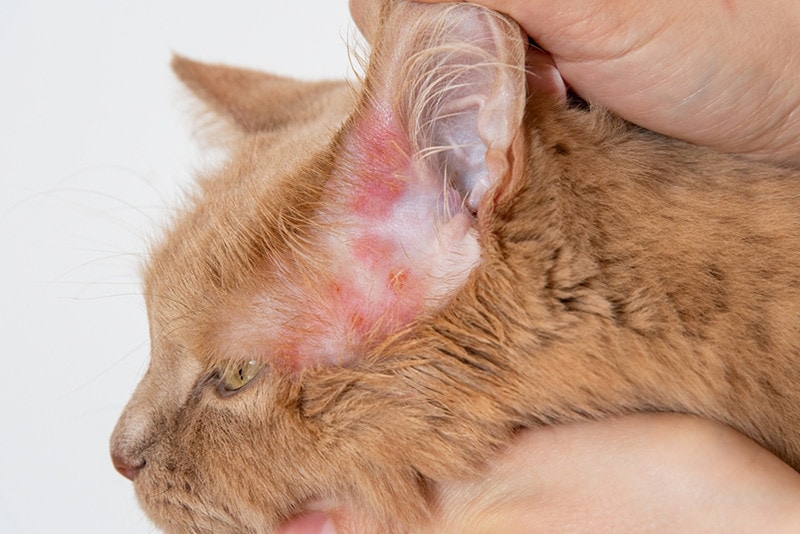
If your cat does become infected with ringworm, how will you know? Here are the most common signs and symptoms of ringworm:
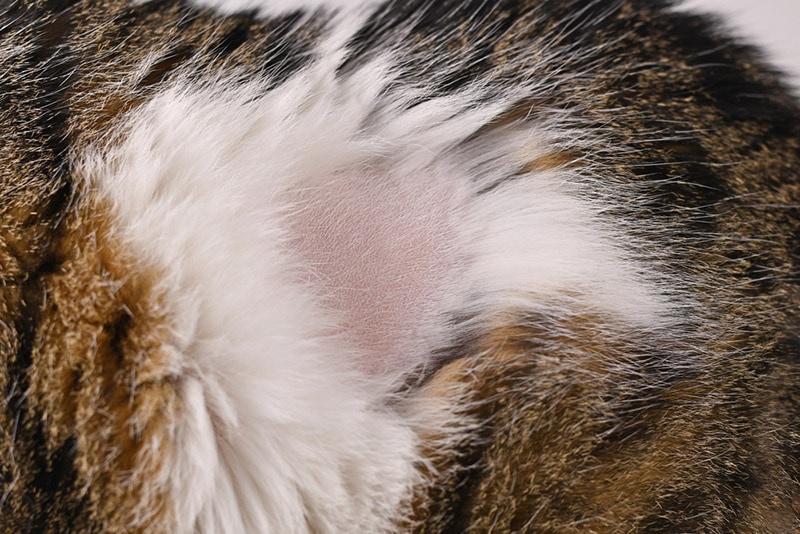
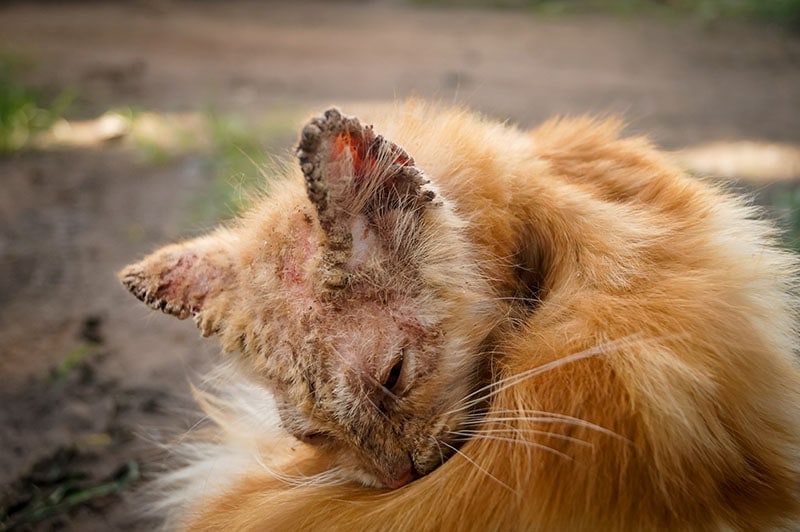
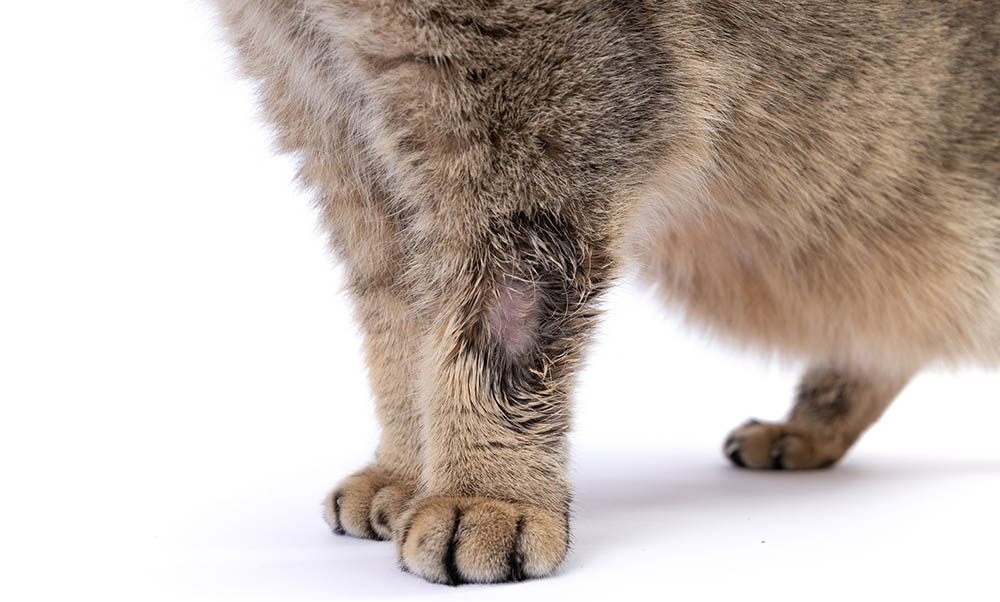
- Hair loss, sometimes in circular patches
- Scaly or ashy skin
- Rough, scaly, deformed claws
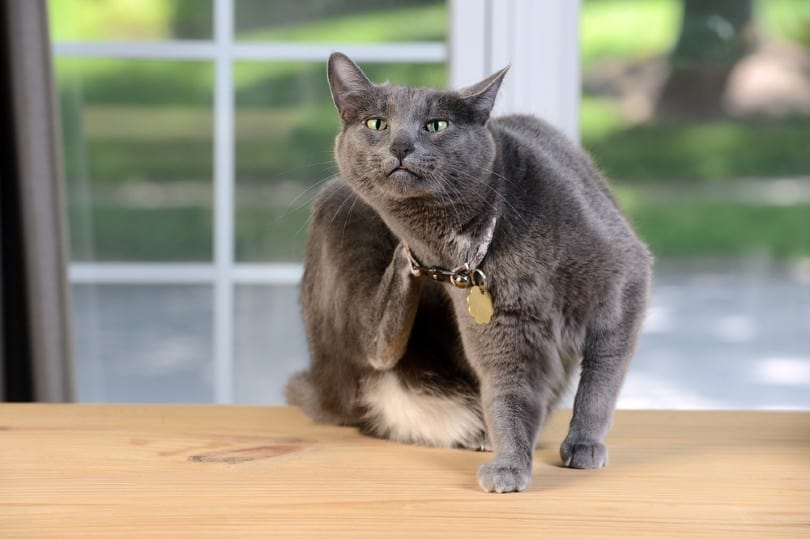
- Itchiness (the degree of itchiness varies from cat to cat)
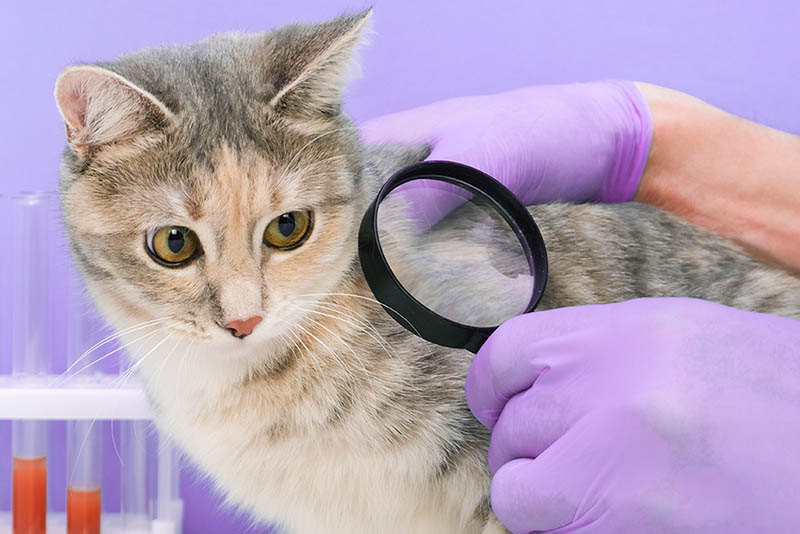
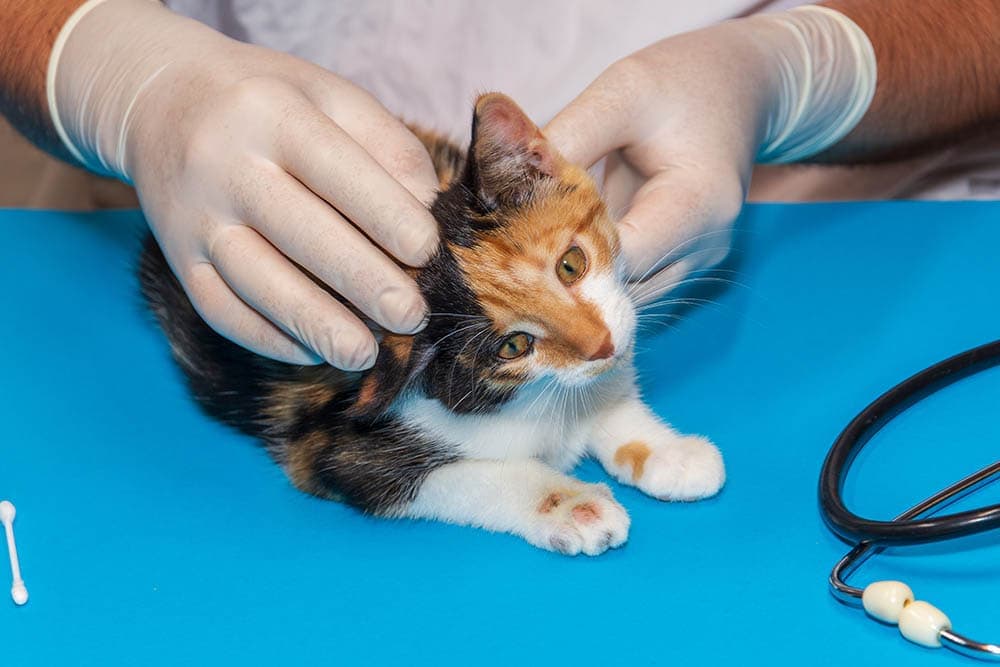
Ringworm can be tricky to diagnose in cats. Your veterinarian may examine your cat in a dark room with a special tool called a Wood’s lamp. The hair of most infected cats glow yellow-green when exposed to the light of a Wood’s lamp. These hairs are often collected for further examination under a microscope. Alternatively, your vet may use a dermoscope to directly examine your cat's skin and hairs.
However, Wood’s lamp is not 100% accurate every time. Specifically speaking, it has a somewhat high probability of yielding false negatives. In other words, glowing hairs under a Wood's lamp are considered positive, but many hairs that are infected may not fluoresce under the lamp. This is because the lamp is only able to reliably identify just a few species of dermatophytes.
Your veterinarian may need to perform a fungal culture, taking samples of your cat’s skin and hair and sending them to a laboratory to see if the fungus grows and can be identified. This is considered very much necessary for the definitive diagnosis of ringworm and is a highly accepted norm among the veterinary community all over the world.
How Is Ringworm Treated?
A cat may be able to heal from ringworm on its own without treatment, but it can take a long time, often 3-5 months. Because ringworm is so contagious and can be spread to humans, it’s usually best to go ahead and treat the infection.
Your veterinarian will usually recommend your cat be treated with both antifungal medications by mouth and regular bathing with anti-fungal shampoo. Your cat will usually need to be treated for at least 6 weeks but sometimes longer. The treatment must continue until the cat has had at least two negative fungal cultures in a row.
You will need to keep your cat isolated from other pets and minimize their contact with people while they are being treated to avoid spreading the infection further. You’ll also need to keep the cat’s environment clean and disinfected to avoid them becoming reinfected by stubborn fungal spores. Keep the infected cat in a small, easy-to-clean room. Vacuum up dead hair daily and disinfect surfaces with a dilute bleach solution at least once a week while your cat is being treated.
How To Prevent Ringworm
First the bad news: because ringworm lives in the soil and is so common, there’s almost no way to prevent your cat from ever coming into contact with ringworm spores. The good news is, as we’ve learned, just because your cat is exposed to ringworm, it doesn’t mean they are going to develop an infection. There are steps you can take to help prevent infections, even if you can’t completely avoid exposure.
1. Keep Your Cat Indoors
While this won’t keep your cat completely safe from ringworm, but it is the safest place for a cat to live anyway. And an indoor cat won’t come into direct contact with infected soil or infected stray or outdoor cats, which will minimize their exposure.

2. Keep Your Cat Healthy
Because ringworm is most likely to infect old, stressed, or unhealthy cats, keeping your cat as healthy as possible overall will help to prevent ringworm. Feed your cat a healthy, well-balanced diet and keep up with all their preventative veterinary care like shots and annual physical exams. Make sure your cat’s coat stays clean and well-groomed, especially if you have a long-haired cat.
3. Use Caution When Grooming or Boarding Your Cat
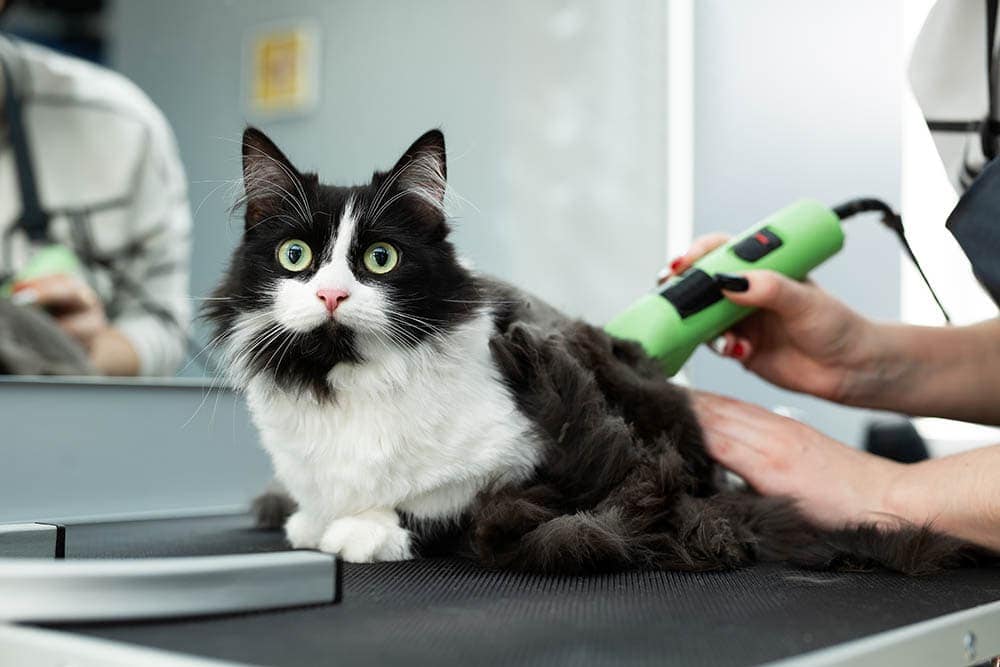
Because ringworm can be spread through contaminated objects like brushes or surfaces, be careful when taking your cat to the groomer or a boarding facility. Ask your groomer how they clean and disinfect their brushes and tubs between pets. Tour the boarding facility and ask about their policies on cleaning and the sharing of bedding or bowls. Taking these steps can help prevent your cat from becoming infected with ringworm.
4. Be Cautious When Bringing Home a New Cat
IMPORTANT
If you buy or adopt a new cat, it’s safest to keep them away from your existing cat for a while when they first come home. This is especially true if the new cat comes from a crowded, high-stress environment like an animal shelter or seems to have unhealthy skin. Separating the new cat for about 2 weeks is the best way to prevent them from passing on any diseases, like ringworm to your healthy cat.

Other Skin Diseases That Look Like Ringworm
Because ringworm has such nonspecific symptoms, it can look like several other skin diseases. Sometimes, your veterinarian may want to rule out some of these other diseases as part of trying to diagnose ringworm. The following skin conditions have symptoms similar to ringworm:
- Bacterial infection
- Yeast infection
- Mange
- Allergies
- Overgrooming/stress-related hair loss
Because ringworm looks like other skin diseases, don’t try to diagnose your cat yourself. Never try to treat your cat for ringworm by yourself without a proper diagnosis from your veterinarian. Treating ringworm can be expensive, and it might be tempting to try to find a cheaper home remedy. However, this could be dangerous for your cat and unlikely to work as well anyway.

Conclusion
Ringworm spores are everywhere and it’s next to impossible to keep your cat from ever contacting them. However, now that you know more about how a cat gets ringworm, you’re better able to help prevent it as well. You want your cat to stay as healthy as possible anyway. Sometimes that’s all you need to do to prevent ringworm. Treating ringworm might not be simple, but preventing infection can be.
See also:
Featured Image Credit: Nadya Bessonov, Shutterstock
Get Hepper In Your Inbox


Pet care tips from our vets and experts, straight to your inbox.
You may opt-out at any time. View our Privacy Policy for more information.
Nicole is a lover of animals of all sizes but is especially fascinated with the feline variety. She’s the proud mom of Baby, a Burmese, and works every day so he can relax in the sunshine or by the fire. She’s always had a cat in her home and has spent countless days with others, observing behaviors and softening up even the grouchiest of the lot. Nicole wants to share her kitty expertise with you so you and your cat can live happy, healthy, and care-free.
Join the conversation
Ask a question, share your story, or send private feedback.