Hepper is reader-supported. When you buy via links on our site, we may earn an affiliate commission at no cost to you. Learn more.
Can Cats Eat Honey? Our Vet Answers!

Do you ever feel guilty enjoying a tasty treat while your cat glares at you, obviously wanting you to indulge it with a taste as well? It’s common for pet owners to feel this way. After all, every time you’re eating something delicious, your cat makes it clear that they want a piece for themselves. Sometimes, this is perfectly acceptable, such as when you’re eating fish or chicken that hasn’t been seasoned with onions or garlic. But many foods that are harmless or even healthy for humans can be potential hazards for our cats.
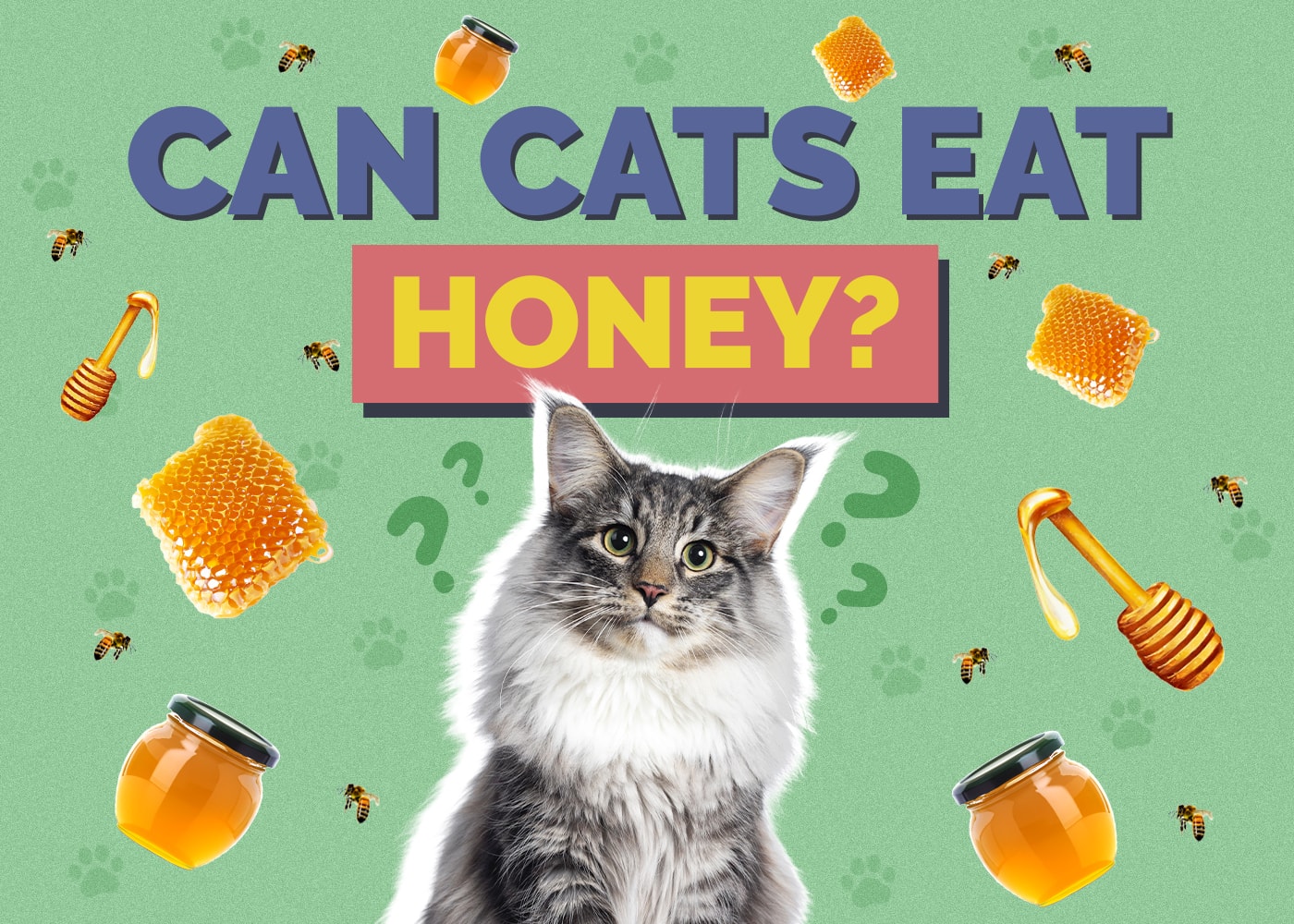
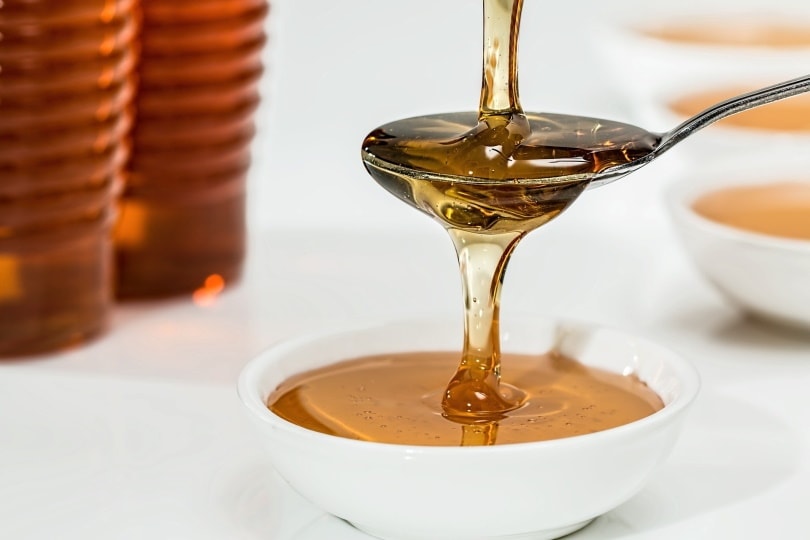
Honey is sweet and scrumptious with a delectable scent that attracts cats just like it attracts people. If you’re eating honey, your cat is likely to want a taste, and in this case, a taste is harmless. But in general, no, cats should not eat honey, even though a small dose will not make your cat ill. Honey is high in carbohydrates, and regularly feeding it to your cat can cause problems, which we discuss in this article.

Is Honey Toxic for Felines?
Quite a few foods are toxic for cats that are commonly eaten by humans. Luckily, honey is not one of these foods. Honey is not toxic for cats, and if your cat eats some honey, it shouldn’t experience any major negative side effects, though, in some cases, mild side effects may occur. Even though honey isn’t toxic for cats, it’s still not a great food to offer on any sort of regular basis.
Is Honey Healthy for Cats?
Honey is not a healthy food for cats. Cats are obligate carnivores. This means that all of the nutrition a cat needs can be derived solely from eating other animals. Honey may have been made by living creatures, but it’s still not part of a cat’s natural diet. So, while it’s not going to hurt your cat to eat a little honey, it’s also not particularly good for them.
Your cat can’t really get any benefits from eating honey, though it can certainly experience some negative side effects from overconsumption.
Can Cats Digest Honey?
Cats’ digestive systems are designed for animal-based proteins. Humans can consume a variety of ingredients without issue because we’re omnivores. Cats are carnivores, so the excessive sugars that are present in honey might cause them gastrointestinal distress, especially if they consume large amounts of it.
Carbohydrates should be kept at a minimum when feeding an obligate carnivore, and honey is high in carbohydrates. Also, did you know that cats are unable to detect the sweet taste?

Side Effects of Feeding Honey to a Cat
The main side effect that any feline is likely to experience after eating honey is stomach discomfort. Since they can’t properly digest honey, it can cause a bit of havoc in their digestive systems, though it usually doesn’t do this if eaten in small enough amounts.
Weight gain is another side effect of feeding honey to a cat. Honey is packed with calories. A single tablespoon contains 64 calories, which is similar to more than half a 3-ounce can of wet cat food. As you can see, it can easily lead to a cat becoming overweight or even obese, which can come with a litany of other health concerns.
Is Honey Good for a Sick Cat?
While honey is not easy for a cat to digest, it can still be beneficial. High-grade Manuka honey is successfully used to treat wounds and injuries in cats and other pets. The antimicrobial and anti-inflammatory properties of this honey can help promote the natural healing processes of the skin.
The antibacterial properties of Manuka honey include its low pH, which helps kill any bacteria present in the wounds, and the presence of methylglyoxal, a natural bacteriostatic compound present in Manuka honey. Phenolic acids and flavonoids are natural antioxidants that have also been linked to antimicrobial effects.
Honey creates an osmotic barrier that naturally debrides and protects the skin, aiding its faster regeneration.
What Happens if a Cat Eats Too Much Honey?
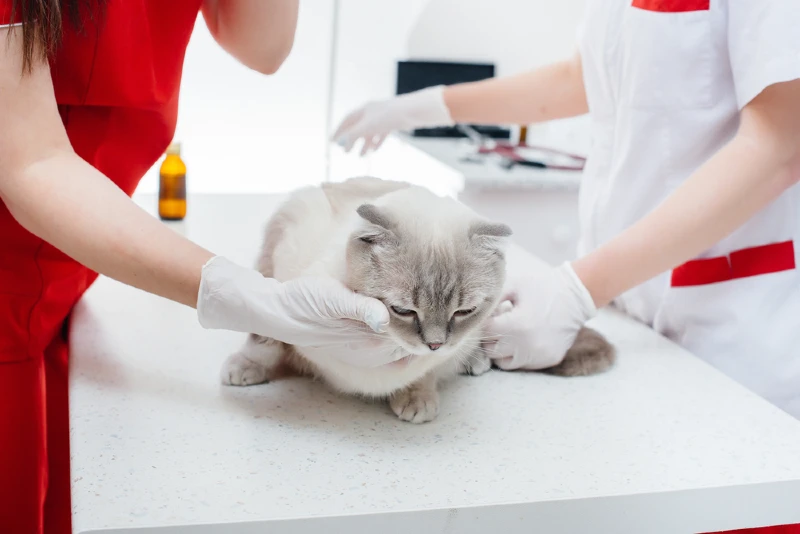
If your cat eats too much honey, it will likely have to deal with some diarrhea. There’s also anecdotal evidence that regular consumption of honey might be connected with botulinum, a bacteria that causes botulism. It’s rare for honey to cause botulism, but it has been reported as the cause of several cases of infant botulism, and it’s definitely an unnecessary risk that you expose your cat to if you feed them too much honey.
Conclusion
Honey isn’t toxic for cats, but like all things, it is best to avoid feeding your cat any food that is not appropriate for their species. Besides the fact that cats cannot taste sweet, excessive carbohydrates should be avoided in their diet. Honey’s high caloric density means that even a small amount can have detrimental effects on your cat’s body condition and general health.
That said, Manuka honey’s antimicrobial and anti-inflammatory properties can be beneficial in the treatment of your cat’s wounds and injuries.
Also see:
Featured Image Credit: Pixabay
Get Hepper In Your Inbox


Pet care tips from our vets and experts, straight to your inbox.
You may opt-out at any time. View our Privacy Policy for more information.
Paola Cuevas is a veterinarian and animal behaviorist, with over 18 years of experience working with a variety of species. Her passion is animal welfare and focuses on the importance of preventive medicine. Paola has skills in the fields of nutrition, microscopy, clinical pathology, diagnostic imaging, and endoscopy as well as extensive experience in animal training through positive reinforcement. As our in-house veterinarian, Paola is very happy to share her knowledge and experience with our readers and hopes to be helpful with any issue presented by your non-human family members.
Dr. Paola is our Senior In-House Veterinarian at Hepper, and she loves sharing her knowledge and experience with our readers. Paola hopes to provide helpful information for any issue presented by your fur babies.
Her passion is animal welfare and she focuses on the importance of preventive medicine.
Education
Paola graduated from the University of Guadalajara, Mexico.
Experience
Dr. Cuevas has over 18 years of veterinary and animal behaviorist experience and has worked with a variety of species, from companion animals to exotics. She has skills in the fields of nutrition, microscopy, clinical pathology, diagnostic imaging, and endoscopy as well as extensive experience in positive reinforcement animal training.
Things You Didn't Know About Dr. Paola:
As a student, Paola received an outstanding student scholarship. She had the opportunity to travel to Canada and learn about aquaculture diagnostics and pathology.
Paola and another colleague trained gentoo penguins to recognize shapes and colors and their project achieved an international first-place award in research.
Paola has trained several species of animals to voluntarily accept medical procedures such as ultrasound examinations, X-rays, and the collection of biological samples with the goal of improving their healthcare without additional stressors or the need for physical restrain.
Join the conversation
Ask a question, share your story, or send private feedback.