Hepper is reader-supported. When you buy via links on our site, we may earn an affiliate commission at no cost to you. Learn more.
Can Parakeets Eat Wild Bird Food? Vet Approved Nutrition Facts & FAQ


In this article
When you’re the proud owner of a parakeet, you know how important it is to feed them a healthy diet. But what if you happen to have wild bird food? Is it okay to feed a small amount to your pet? You can give wild bird food to parakeets, but it shouldn’t be a regular part of their diet.
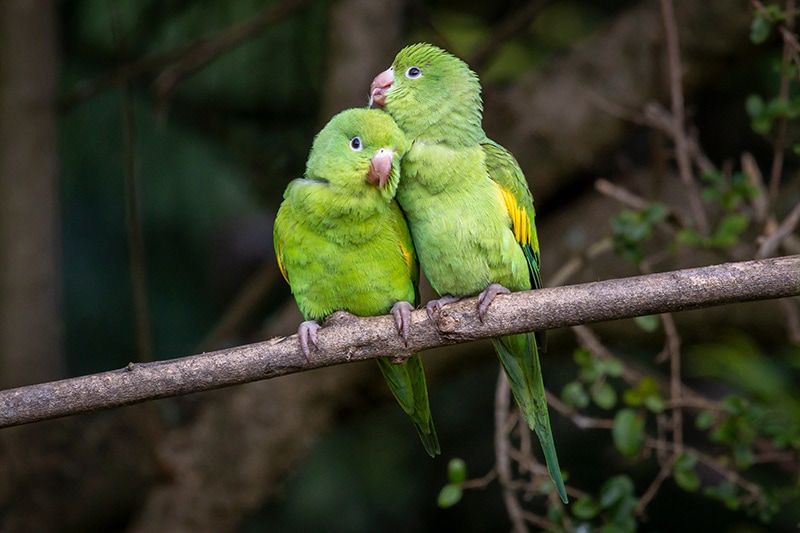
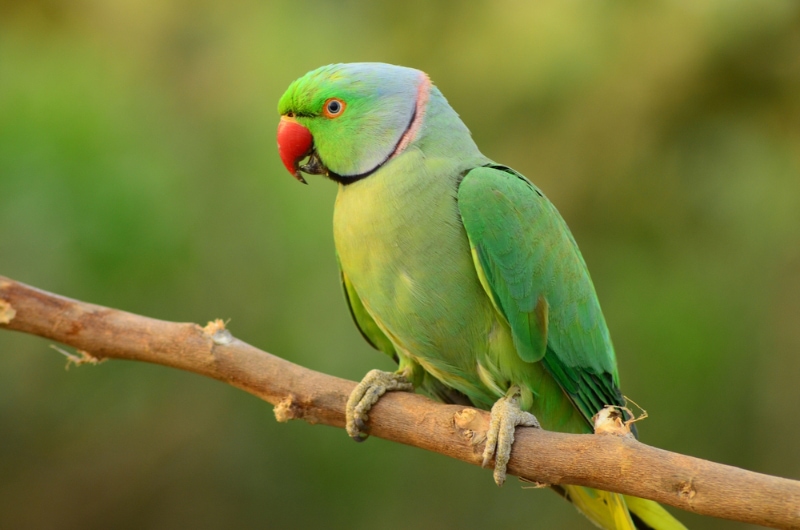
The exact details regarding what you can feed your bird somewhat depend on the parakeet species that you care for. Here, we are focusing on the Rose-Ringed Parakeet (Psittacula krameri). We’ll discuss why wild bird food should only be given to your Rose-Ringed Parakeet in moderation, and talk about some other treats that are healthy for your bird.

What Is in Wild Bird Food?
As the name suggests, wild bird food is formulated to support the diet of wild birds. Because different parrot species have different nutritional requirements, wild bird food is made up of a blend of different diet types, making it safe for most parrot species to eat, but not specific enough for one species to solely rely on.
Most wild bird food consists of seeds, grains, nuts, and dried fruit.
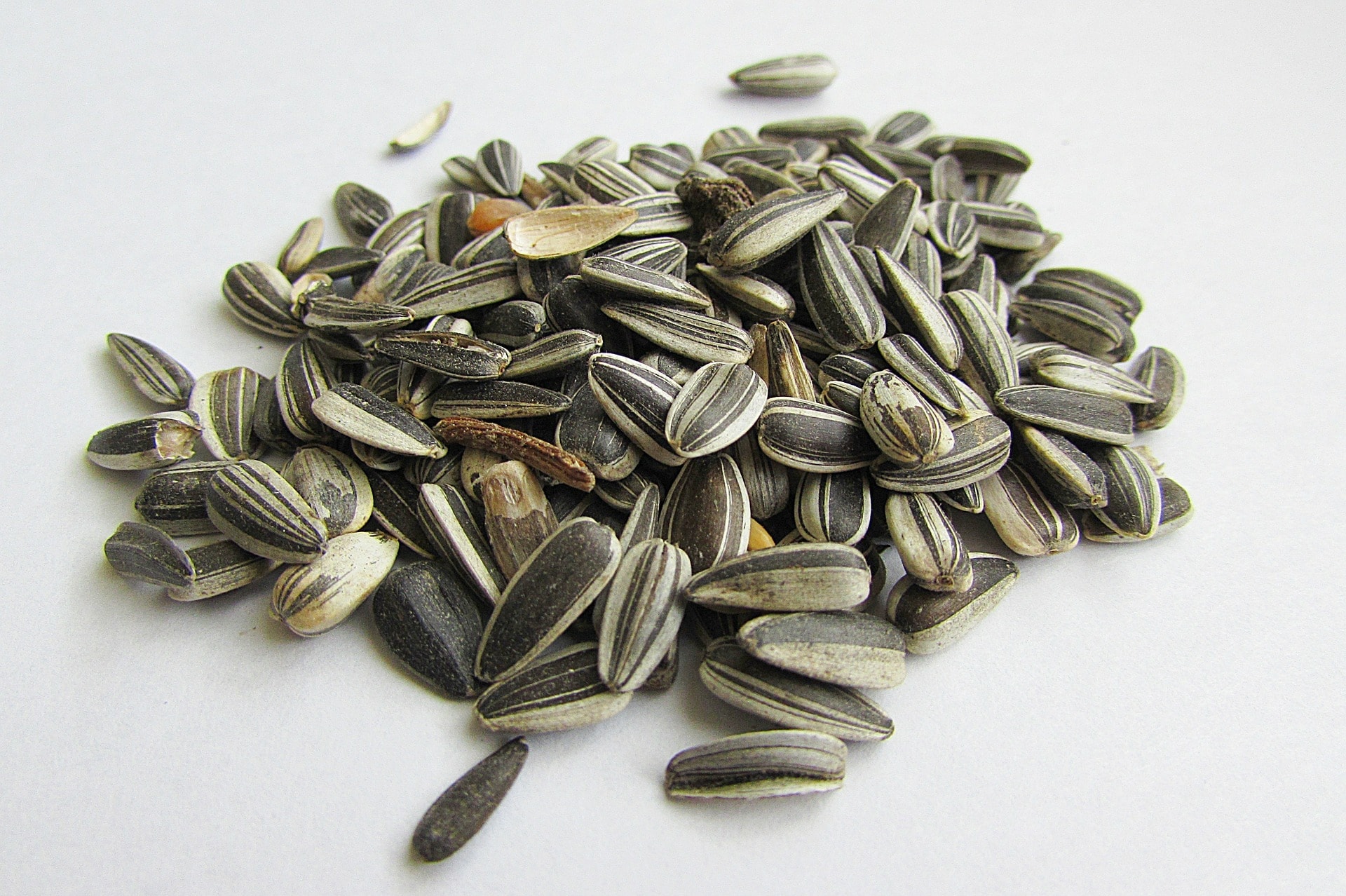
Common seeds for wild birds include:
Why Wild Bird Food Shouldn’t Be a Part of a Parakeet’s Regular Diet
Many of the seeds and nuts in wild bird food are healthy for parakeets, and they will certainly enjoy eating them! But they are made for wild birds, so they don’t have the right nutritional balance for parakeets. Wild parrots are constantly burning energy by flying around in the great outdoors, so they will benefit from the higher fat and energy content of wild bird food. Our pet parakeets, on the other hand, are not quite so active.
Exclusively eating a wild bird food diet can lead to malnutrition and obesity because the typical seed mix is quite high in fat. Seeds do provide nutritional benefits, but they should only be fed to your parakeet in moderation.
Since seed mixes are tasty, your parakeet might start rejecting their regular food in favor of the seeds. Many wild bird seed mixes also contain a high number of hulls and fillers, which your parakeet might have difficulty digesting.
The Parakeet’s Diet
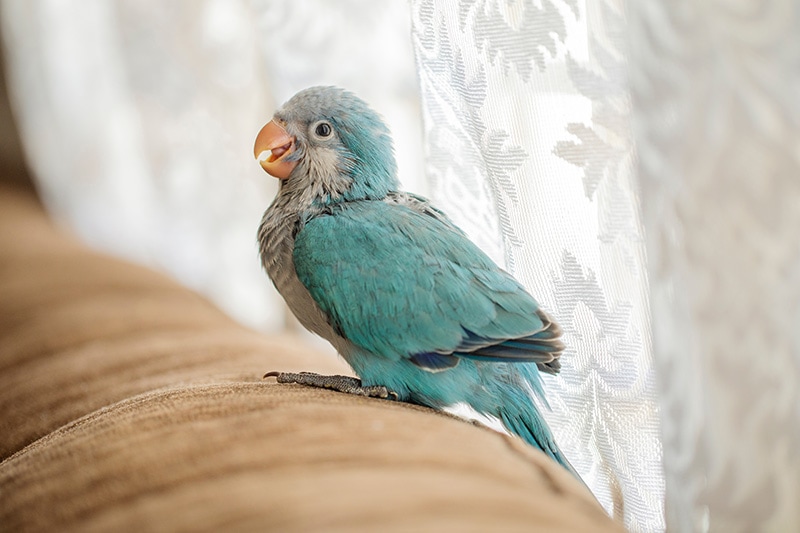
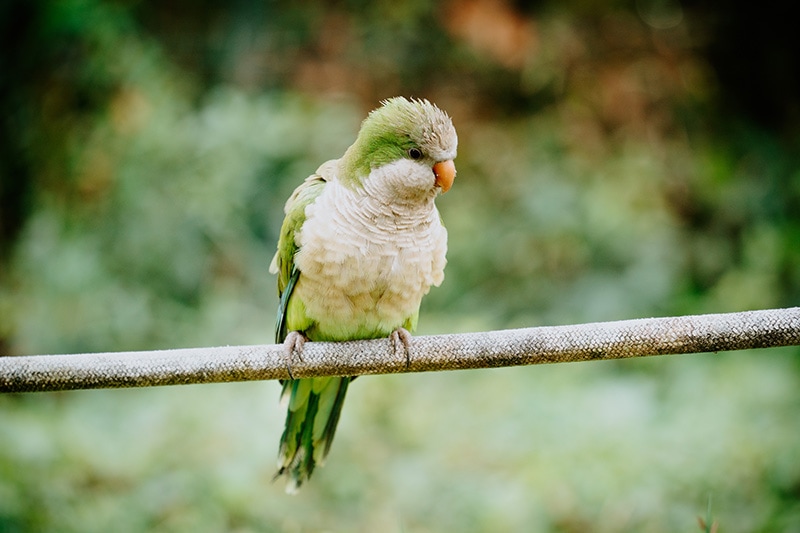
One of the most popular species of parakeets, other than the Budgie, is the Rose-Ringed Parakeet (also known as the Indian Ringneck). They typically eat vegetables, fruits, berries, nuts, seeds, and sometimes flowers in the wild.
Pet Rose-Ringed Parakeets continue to eat many of these foods, but high-quality pellets formulated for parakeets should make up the majority of their diet (about 60% to 70%).
Parakeets can also eat nuts and seeds but in small amounts because they are high in fat. On occasion, they can eat food high in protein, such as mealworms or pieces of chicken.
It’s important that your bird gets leafy, green vegetables and occasional fruits. Most parakeets are likely to forgo their pellets in favor of seeds, so it’s a good idea to offer them separately.
What Are Great Treats for Parakeets?
As a bird owner, you definitely want to ensure that anything you feed to your parakeet is healthy. It’s a win-win when your parakeet loves something that also offers excellent nutrition. The following options should make your bird happy, and provide them with all the necessary nutrients.
Fruit
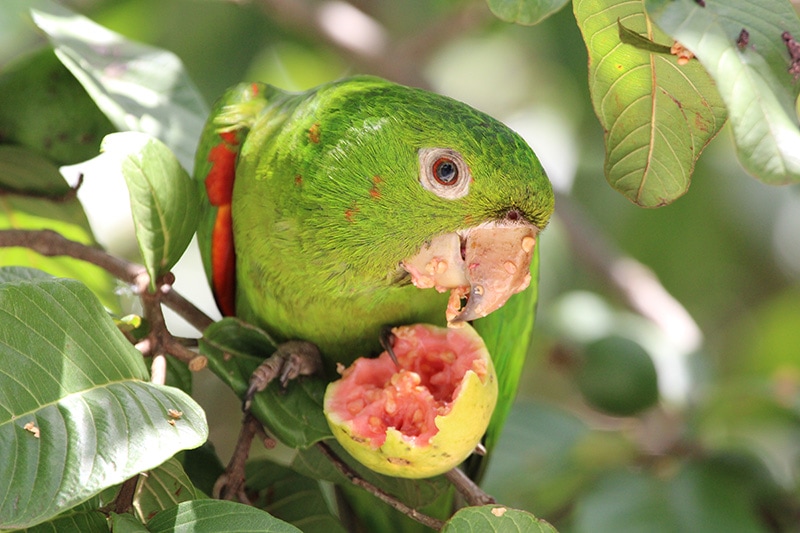
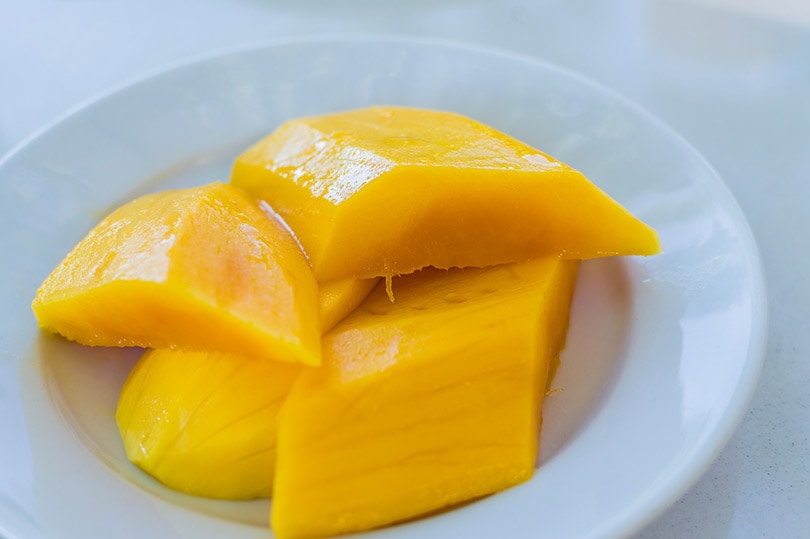
Most fruits are great for parakeets—everything from mangoes to apples, kiwis, and bananas. Just be sure to remove pits and seeds, which can be choking hazards. Some also contain trace toxic chemicals, such as cyanide.
Fruits should be given in moderation because they are high in sugar, and remember to remove any uneaten fruit from your pet’s cage after a few hours.
Vegetables
Veggies are a necessary part of the parakeet’s diet: Leafy, green veggies like kale, along with broccoli, carrots, peas, and root vegetables, are all excellent options.
Be sure to wash the fruits and vegetables well before serving them. According to the FDA, the best way to wash produce is under running water without any detergents, and you should wash produce even if you’re peeling it.
Nuts
Nuts, including walnuts and peanuts, are healthy for parakeets. Bear in mind that you should avoid nuts with added oils and seasonings, particularly salt. Nuts in shells can sometimes contain mold, so these should also be avoided.
Grains
Grains offer plenty of nutritional value, including protein and carbohydrates. For starters, you can try quinoa and oats.
Popcorn
Birds can enjoy popcorn as much as we do! That said, you’ll need to skip the butter and salt. This means you should never give microwaved popcorn to your bird.
You can use an air popper, which means the popcorn won’t need to be popped in any oils. Otherwise, you can try popping the kernels in a small amount of coconut oil.

FAQ
Can Parakeets Eat Suet?
Technically, they can but it isn’t recommended. Suet is animal fat, and since domestic birds don’t get the same amount of exercise as wild birds, it would just lead to an obese pet.
What Seeds Are Bad for Parakeets?
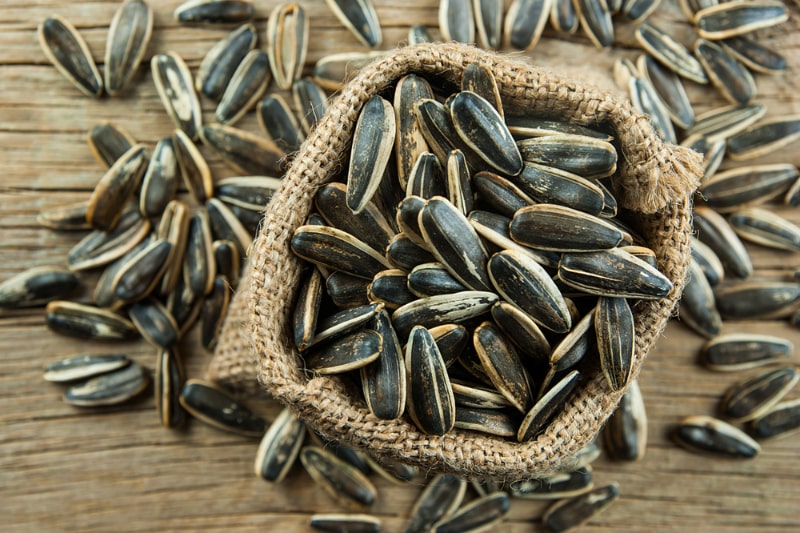
Most seeds are suitable for parakeets, with the exception of apple seeds. However, things like black oil sunflower seeds are highly sought after by birds, and your parakeet might reject their healthier food for these seeds, so they should only be given sparingly.
Can Parakeets Eat Bread?
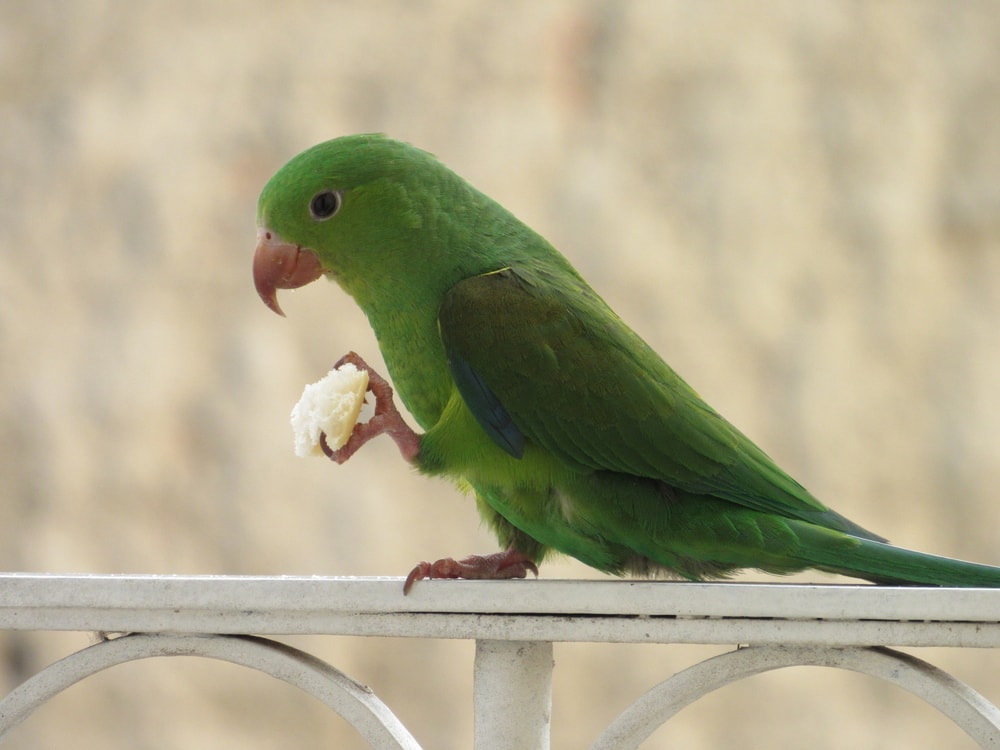
Technically, parakeets can eat bread but it isn’t recommended. Bread is high in not-so-healthy carbs, and it may contain preservatives and additives. There’s also added sugar and salt.
Your best bet is to only give your parakeet breads without any salt or additives and opt for organic whole wheat, whole rye, and whole grain varieties. Plain, unsalted rice cakes are also a safe option. Serve a small amount on occasion.
Conclusion
In a pinch, you can give your wild bird food to your parakeet, but it should only be an occasional thing. This kind of food is designed to support the nutritional needs and energy expenditure of a broad range of wild birds, not those of your pet parakeet.
While it’s nice to give your parakeet something tasty to eat, you just need to be sure it isn’t bad for your bird’s health first.
See Also:
Get Hepper In Your Inbox


Pet care tips from our vets and experts, straight to your inbox.
You may opt-out at any time. View our Privacy Policy for more information.
Kathryn was a librarian in a previous lifetime and is currently a writer about all things animals. When she was a child, she hoped to work in zoos or with wildlife in some way, thanks to her strong love for animals. Unfortunately, she's not strong in the sciences, so she fills her days with researching and writing about all kinds of animals and spends time playing with her adorable but terribly mischievous tabby cat, Bella. Kathryn is hoping to add to her family in the near future – maybe another cat and a dog.
Join the conversation
Ask a question, share your story, or send private feedback.