Hepper is reader-supported. When you buy via links on our site, we may earn an affiliate commission at no cost to you. Learn more.
Can Tortoises Eat Squash? Vet-Reviewed Nutrition Facts & FAQ


In this article
Pumpkin or spaghetti, zucchini or crookneck, summer or winter—the squash family is one of the most diverse and exciting groups of vegetables to eat. Squashes are available year-round, making them a great choice for shopping in season.
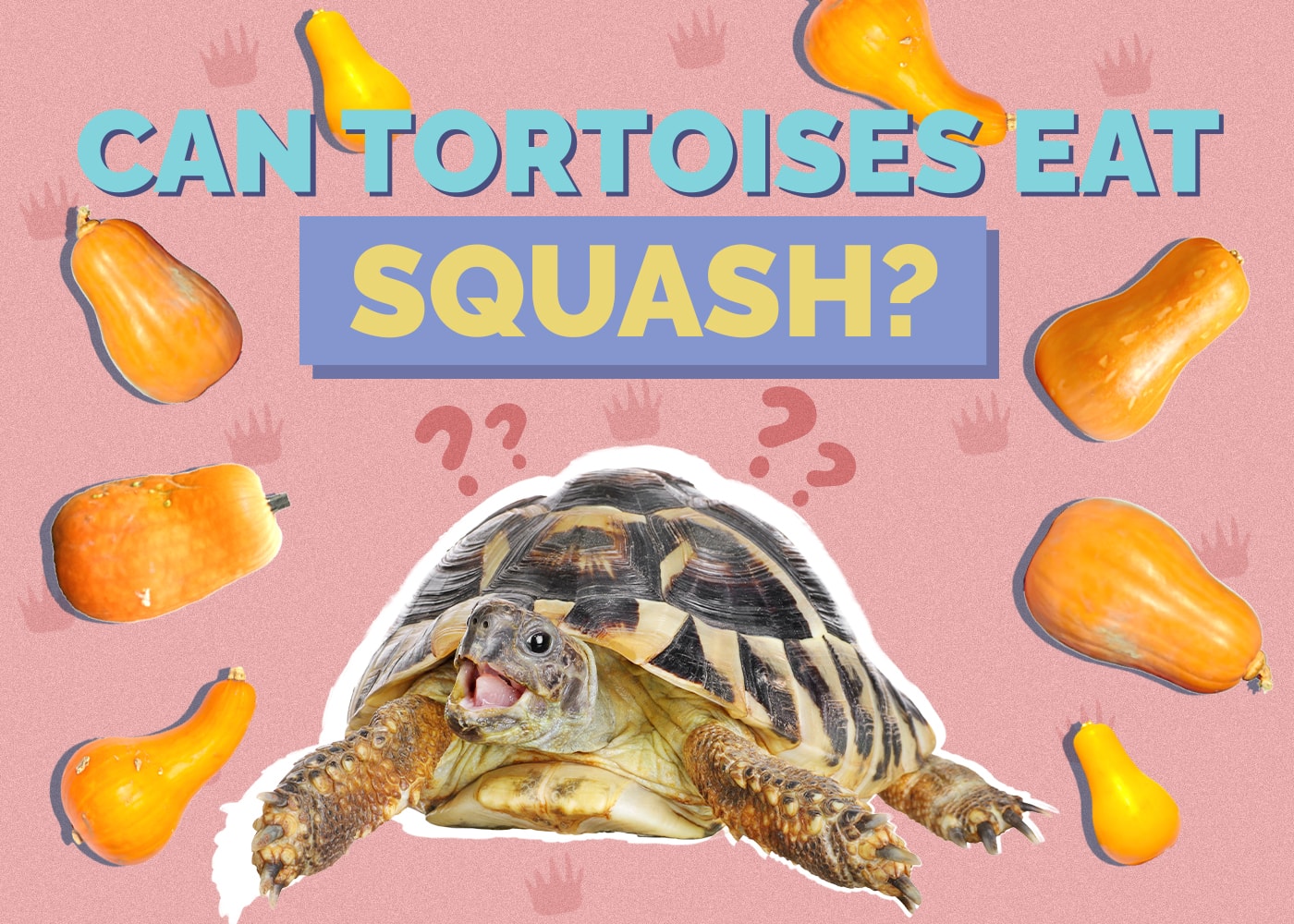
So, if you want to add more variety to your tortoise’s diet, you might wonder if squash is a good choice. It depends. Squash won’t hurt your tortoise, but most tortoise species shouldn’t have too much of it, either. That’s because squash might go in a salad, but it’s actually a type of fruit, botanically speaking. Most kinds of tortoises don’t need very much fruit in their diets. However, it makes a great occasional treat for all types of tortoises, and if you have a fruit-eating species of tortoise, squash might just become a staple.

Tortoise Species that Shouldn’t Eat Too Much Squash
Even though squash is generally safe for tortoises to eat, the amount of squash your tortoise should eat depends on the species. Most tortoise species kept for pets eat mainly leaves, true vegetables, and stems, with a small percentage of grass, hay, and fruit.
These include:
All these tortoises can eat a small amount of squash, but they shouldn’t eat very much. If you can get squash leaves and stems, these make a much healthier snack.
Sulcatas and other large tortoises are heavy grazers—up to 90% of their diet is grass or hay. The last 10% should be mostly vegetables, not fruit, such as salad greens, carrots, sweet potatoes, corn, and turnip. That means that they also shouldn’t eat too much squash.
Fruit-Eating Tortoises
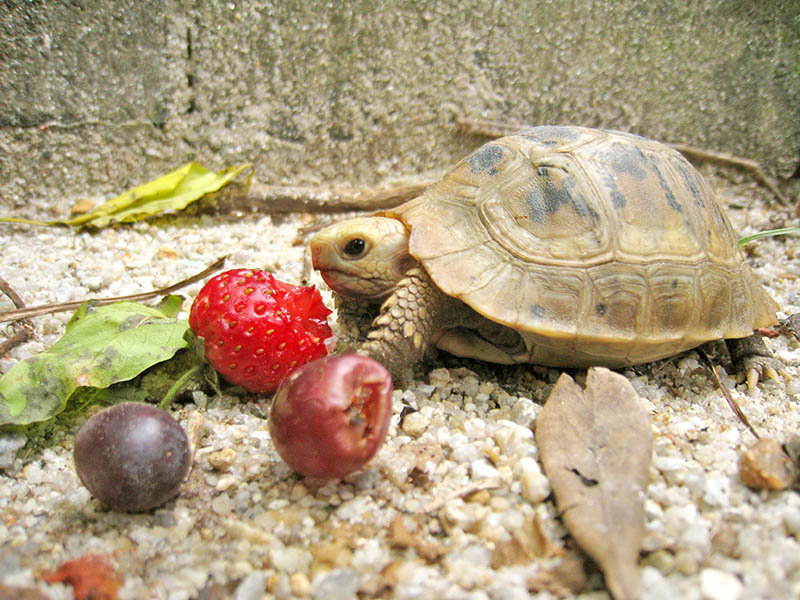
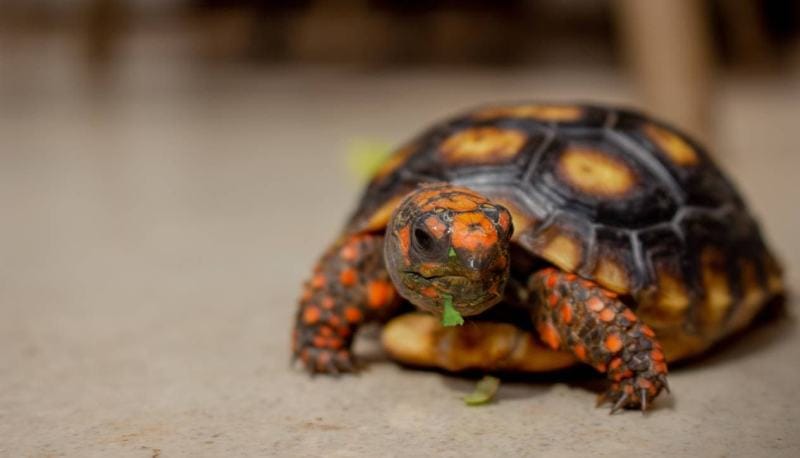
So, what tortoises can eat a fruit-heavy diet? In general, fruit-eating tortoises are native to warm, tropical areas like the jungles of South America and Southeast Asia.
Some examples of fruit-eating tortoises are:
If you have one of these species of tortoise, fruits can make up to 50% of your tortoise’s diet. That means that you can feed your tortoise lots of squash as a regular part of their diet. You can try summer and winter squash, butternut squash, pumpkin, crookneck squash, and any other type. Remember that fruit-eating tortoises need a lot of variety in their diet—feeding too much of any one thing will make them less healthy.
How to Serve Fruit to Your Tortoise
Tortoises generally eat raw food, and squash is no exception. You don’t need to cook squash before feeding it to them. Instead, finely chop the squash that you want your tortoise to eat and mix it in with the rest of its food. Alternatively, you can use a cheese grater to grate harder squashes.

What Happens if You Feed Your Tortoise Too Much Squash?
The consequences of eating too much squash depend on the tortoise. In the short term, you might find that your tortoise struggles to digest its food if it is eating too much squash and not enough of everything else. If you feed your tortoise too much fruit over time, it might end up with nutritional deficiencies or start refusing healthier food.

Conclusion
As you can see, squash makes a great occasional treat for tortoises, but most of the time, it isn’t a good diet staple. Most species of tortoise should have more leaves, stems, and related vegetables, with squash and fruits as only a small part of their diet. However, fruit-eating tortoises like red-footed, yellow-footed, and elongated tortoises can have much more squash in their diets.
Sources
Featured Image Credit: stevepb, Pixabay
Get Hepper In Your Inbox


Pet care tips from our vets and experts, straight to your inbox.
You may opt-out at any time. View our Privacy Policy for more information.
Chelsea Flake Mortensen is a writer with a passion for pets. She grew up around everything from cats to chameleons and loves working with all kinds of animals. Chelsea has a BA in English and Creative Writing from Brigham Young University.
Chelsea loves reading, writing, sewing, and board games. She's lived in half a dozen US states and two countries. She is currently living in New England with her husband. Her articles have been featured in various magazines and literary journals for children and adults. Her writing has been translated into over 40 languages.
Join the conversation
Ask a question, share your story, or send private feedback.