Hepper is reader-supported. When you buy via links on our site, we may earn an affiliate commission at no cost to you. Learn more.
What Is Henry’s Pocket? Vet-Verified Feline Anatomy Facts & Mysteries


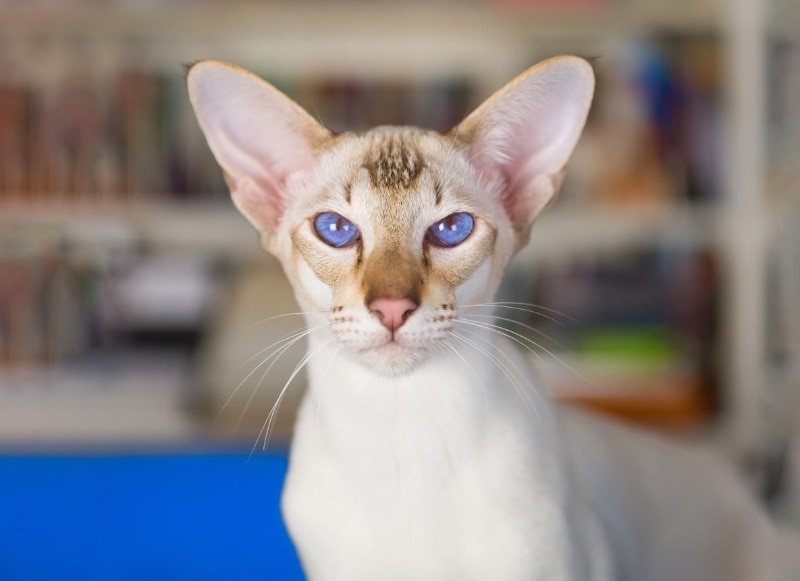
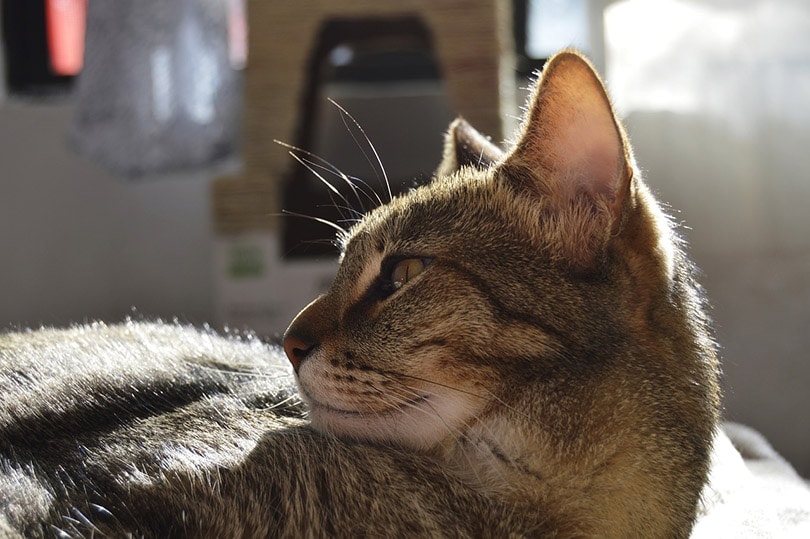
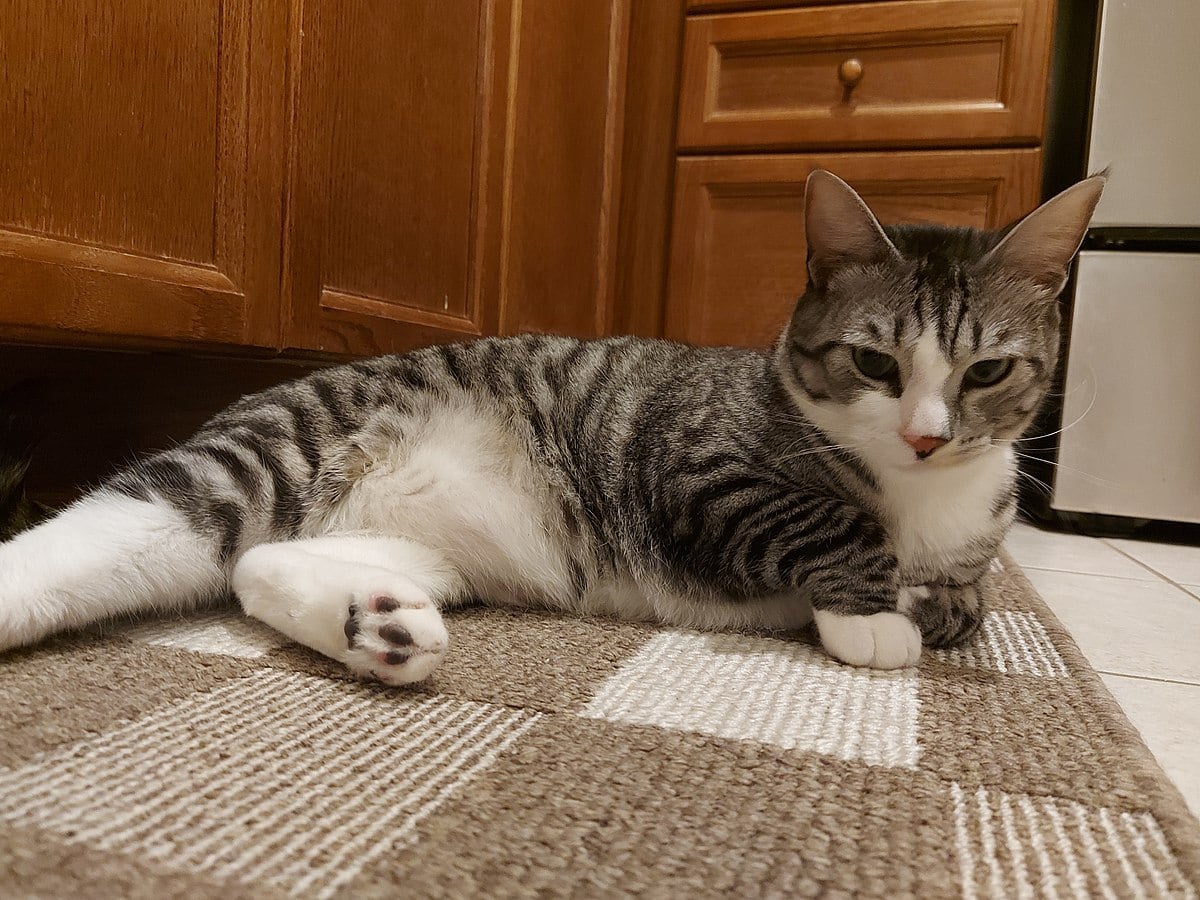
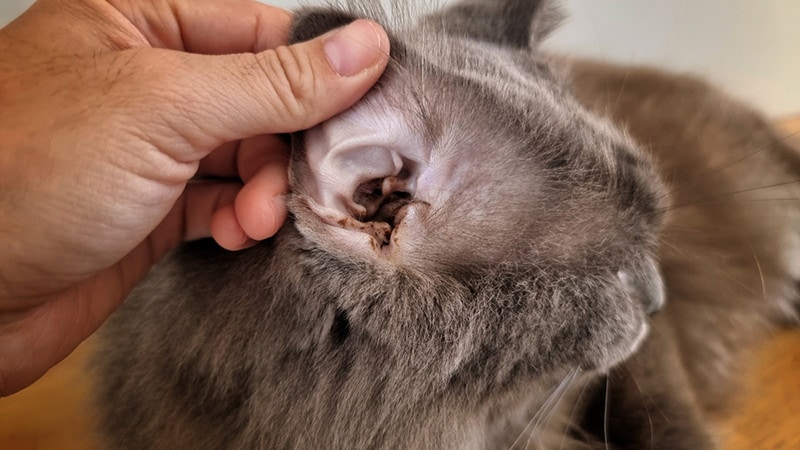
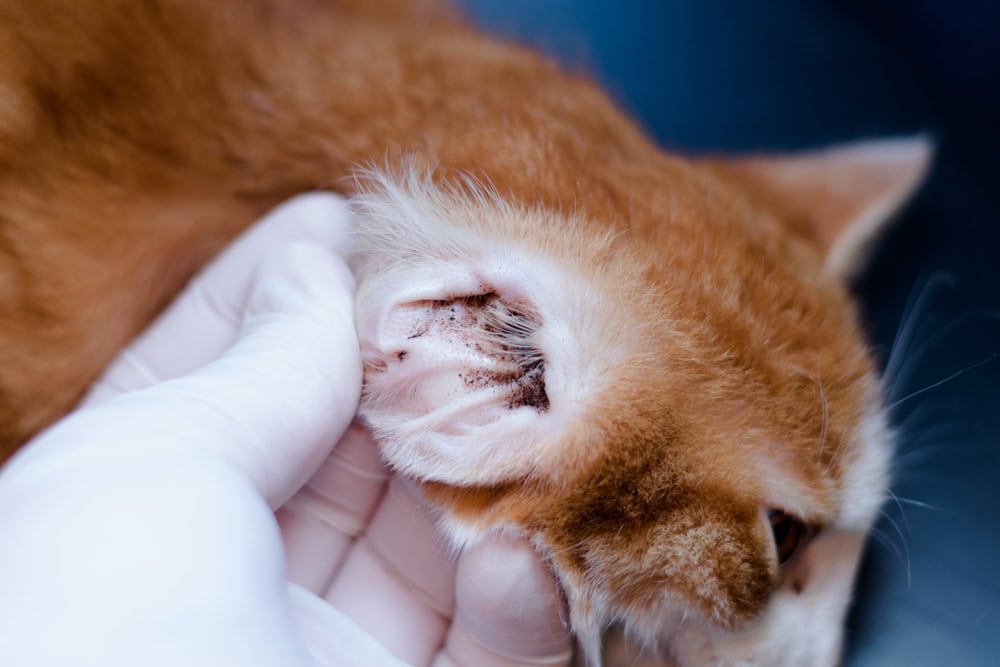
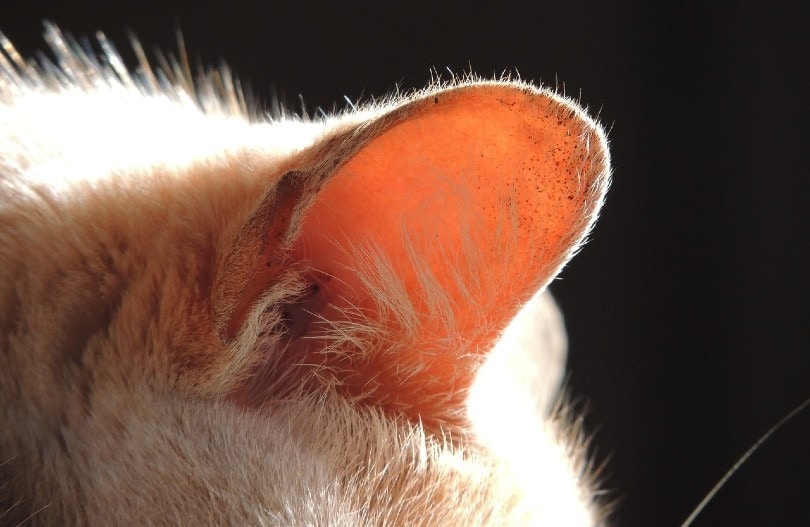
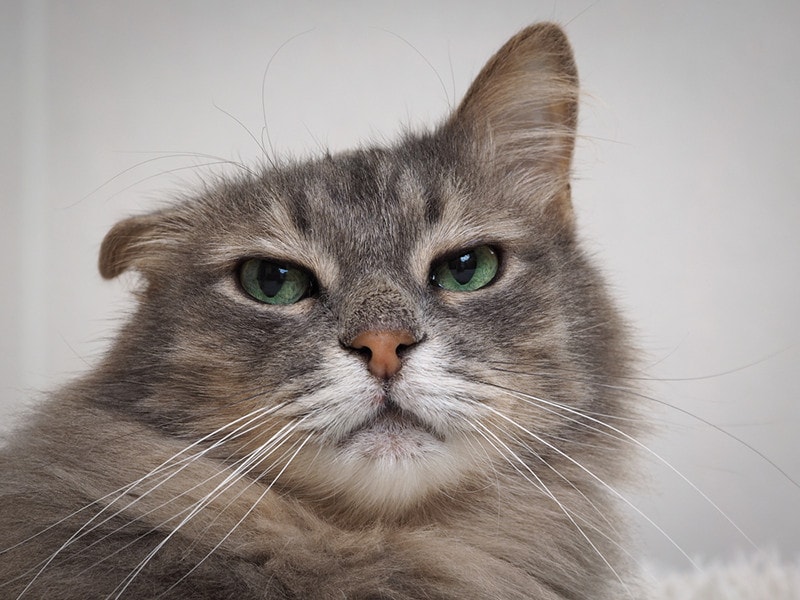
You might not recognize the name, but if you’ve ever looked closely at a cat, you will see that little fold of skin on the edge of a cat’s ear. It’s right down at the base of each ear, on the outside, and it makes a little pouch. That’s Henry’s Pocket, one of the most mysterious features of cat anatomy. For such a visible feature, there’s a lot of speculation on where it comes from. In fact, we don’t even know who “Henry” was or when the fold got its name.

Other Animals With Henry’s Pocket
Cats are the most famous animals with these little pockets, which are also called cutaneous marginal pouches. But they aren’t the only ones. Many types of dogs have them, too. This is most common in dog breeds with erect ears and short fur. There are also several other mammal species with Henry’s Pockets, including weasels and bats.
Because this feature is found in so many very different mammals, it tells us that it probably isn’t just an accident of genetics. It’s possible that an ancient mammal ancestor had Henry’s Pockets well before cats and bats diverged in the mammal family tree. That trait was passed down and reappeared in species here and there.
Another option is that there’s some advantage to having this ear pocket and that the advantage was big enough for it to evolve more than once. When this happens in nature, it’s called convergent evolution.
Purposes of Henry’s Pocket
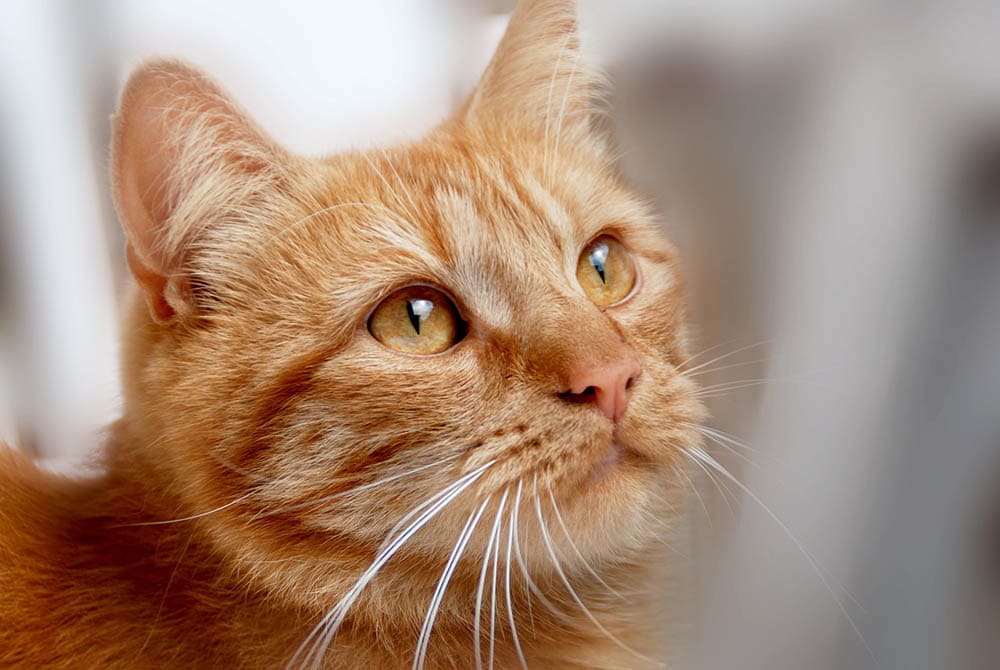
Even though lots of animals have a Henry’s Pocket, the purpose of this little flap of skin is still under debate. The most popular theory is that it helps filter the sounds going into your cat’s ears, amplifying high-pitched sounds and softening the bass. This would make sense with the types of animals that have this feature. Bats need to hear high-pitched sounds to echolocate. Cats and other small animal hunters are attuned to high-pitched sounds because that helps them listen for mice, birds, and other small prey. But there’s still not enough evidence to be sure that the pocket actually has that effect.
There are other theories too. Animals with Henry’s Pockets usually have mobile ears that can rotate and swivel, and it is possible that the pocket helps the ears move more efficiently somehow. Or, if it’s inherited from a common ancestor, it might be a vestigial trait—something that was helpful for the original animal with a Henry’s Pocket, but doesn’t do much now, good or bad.
Cleaning Henry’s Pocket
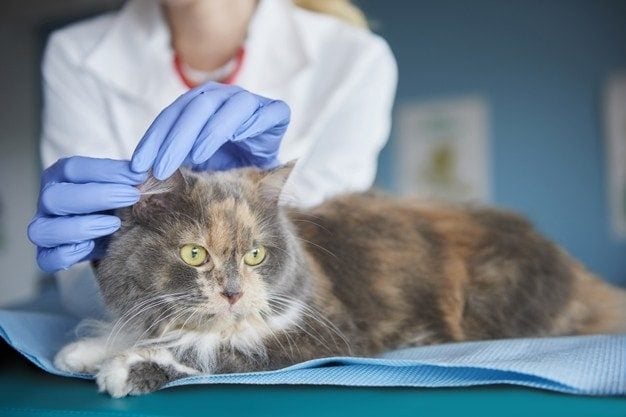
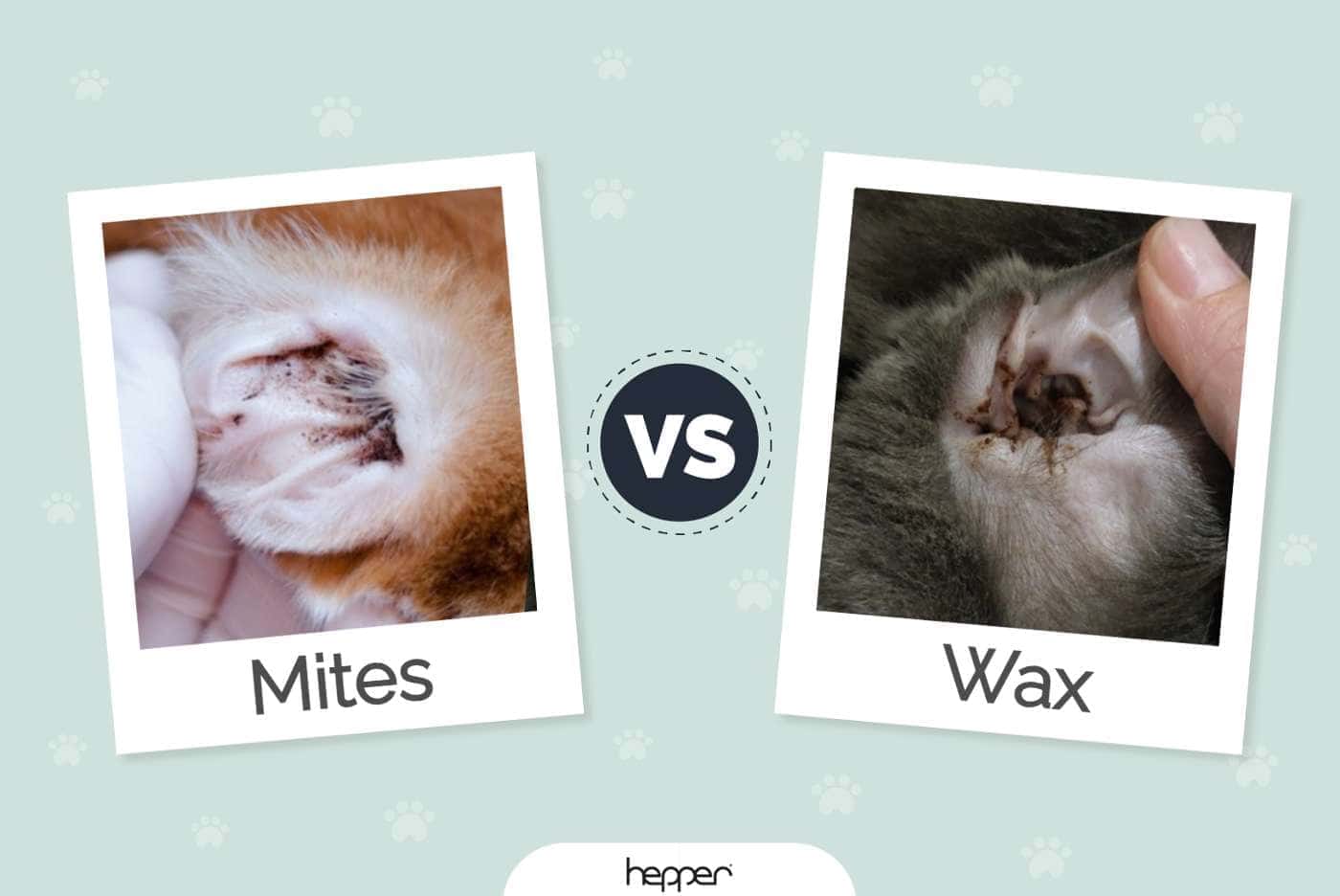
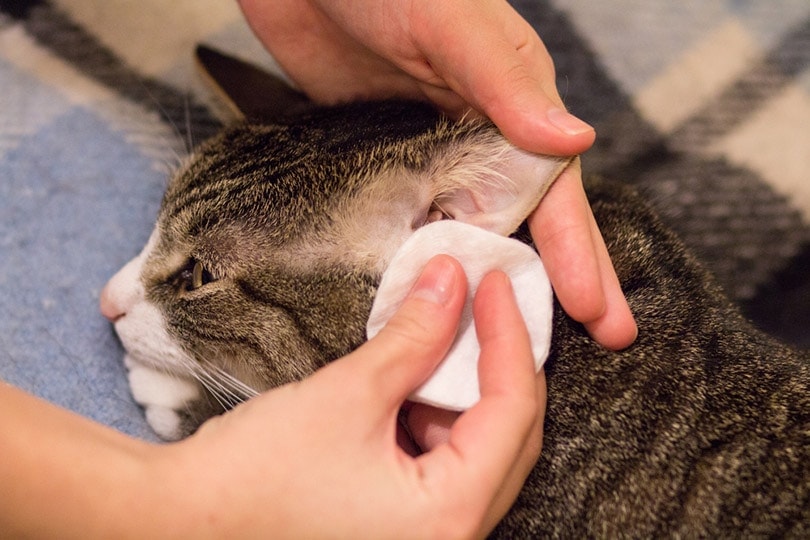
Now that we’ve talked about the purpose of Henry’s Pockets, there’s only one major question left—do I need to clean Henry’s Pockets? Luckily, we have an answer for that one. If you clean your cat’s ears regularly, it’s a good idea to clean out the inside of the Henry’s Pocket while you’re at it. Clean it the same way you clean the rest of the outer ear flap, and be gentle. This pocket doesn’t usually accumulate much earwax, but it can be a warm, soft place for parasites to gather where your cat can’t clean. Most vet ear checks will also look for signs of parasites in the Henry’s Pockets.
Conclusion
This article may have more questions than answers, but don’t let that worry you. Even though we aren’t sure of the purposes of Henry’s Pocket, all of the possibilities are fascinating! Someday, we might have answers that help us know for sure, but for now, you can enjoy knowing that there are some feline mysteries that are yet to be unraveled.
Sources
Featured Image Credit: Ivonne Wierink, Shutterstock
Get Hepper In Your Inbox


Pet care tips from our vets and experts, straight to your inbox.
You may opt-out at any time. View our Privacy Policy for more information.
Chelsea Flake Mortensen is a writer with a passion for pets. She grew up around everything from cats to chameleons and loves working with all kinds of animals. Chelsea has a BA in English and Creative Writing from Brigham Young University.
Chelsea loves reading, writing, sewing, and board games. She's lived in half a dozen US states and two countries. She is currently living in New England with her husband. Her articles have been featured in various magazines and literary journals for children and adults. Her writing has been translated into over 40 languages.
Join the conversation
Ask a question, share your story, or send private feedback.