Hepper is reader-supported. When you buy via links on our site, we may earn an affiliate commission at no cost to you. Learn more.
When Do Puppies Open Their Eyes? Vet-Verified Facts & FAQ


In this article
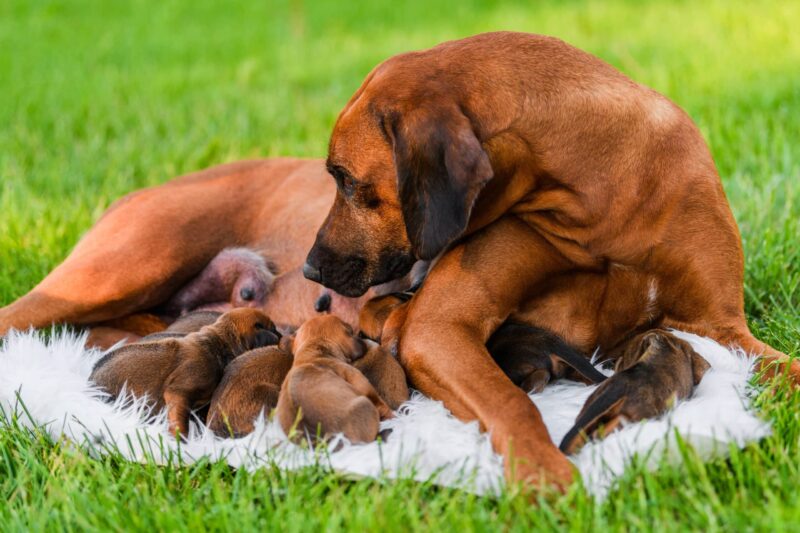
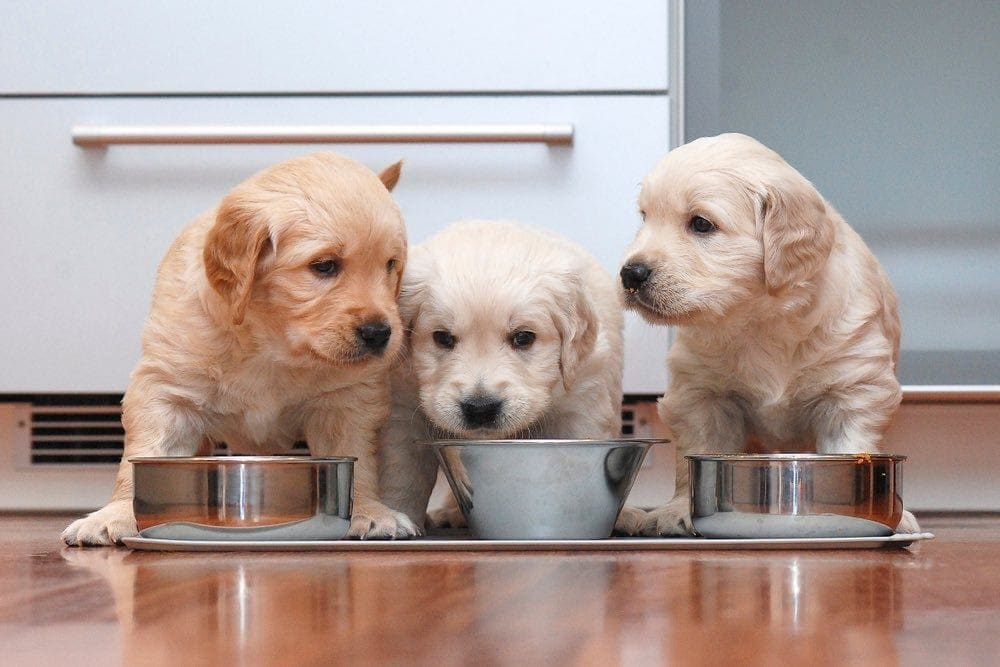
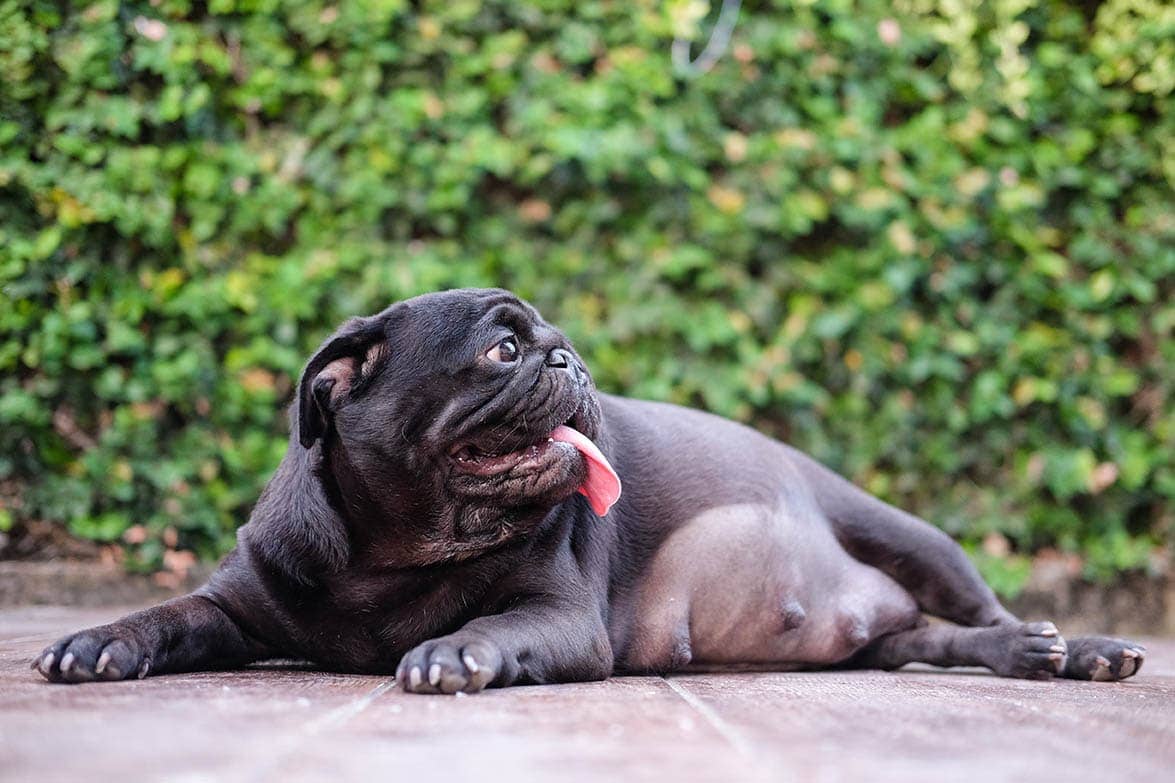
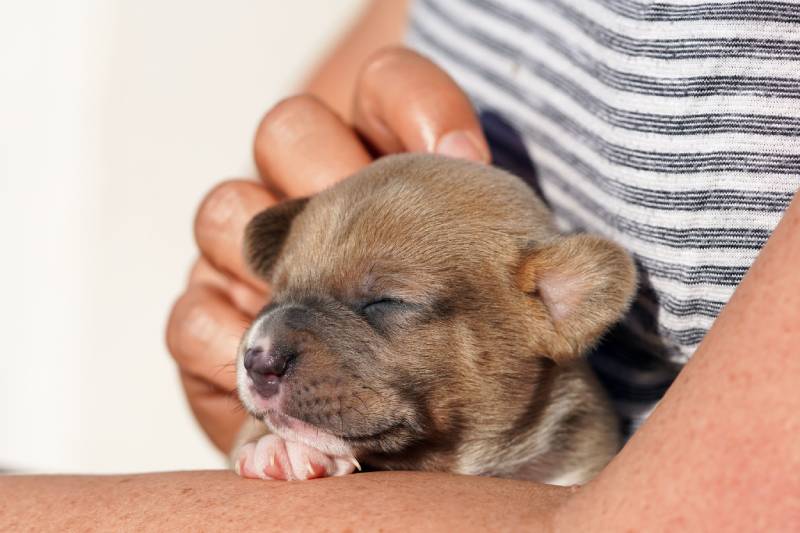
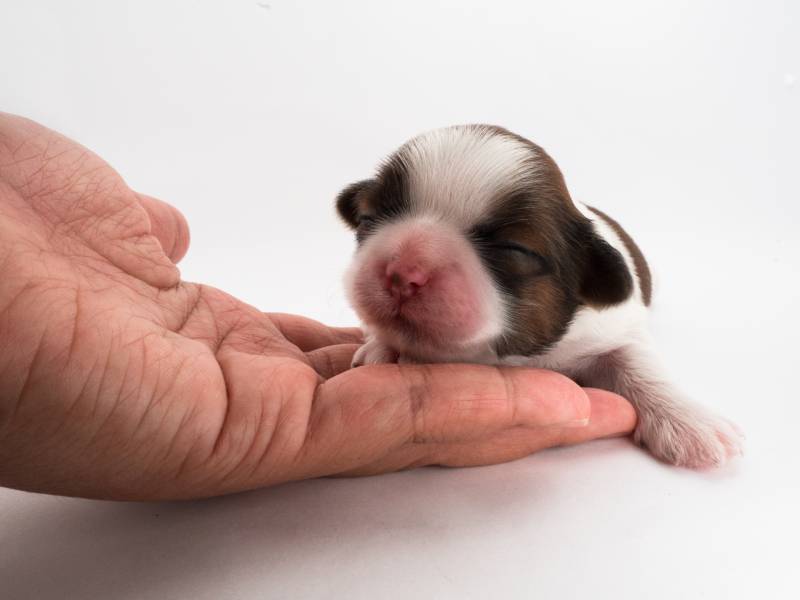
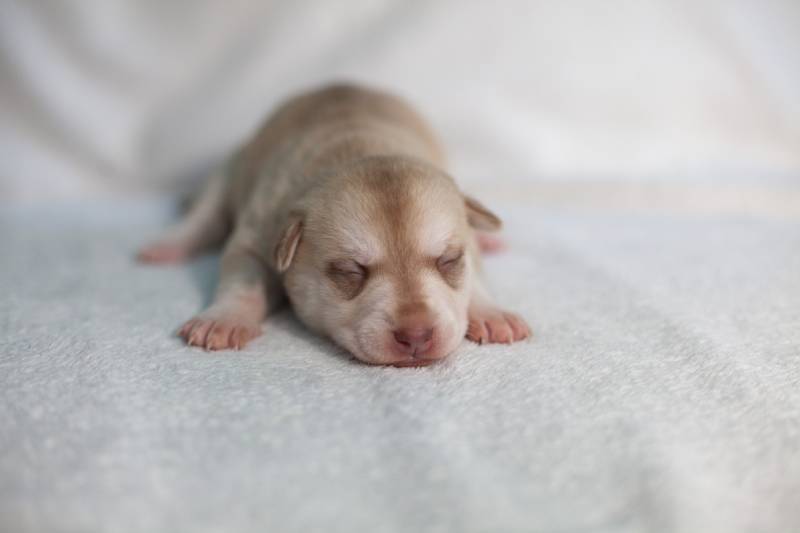
Gestation in dogs averages 63 days, although it can vary between 57 and 65 days. Puppies are altricial, meaning they are born unable to care for themselves and dependent on their mother to survive. Puppies can’t see or hear, and they can barely move. Their only goal is to survive with the support of their mother. She even has to help them urinate and defecate during these first weeks. Her parental investment is high, which is typical for animals on top of the food chain, and is easier with fewer young.
While humans domesticated dogs between 20,000 and 40,000 years ago, they have many traits of the common ancestor they share with wolves. That includes their limited development when they are born. Puppies open their eyes when they are between 7 to 14 days old. Their ability to respond to environmental stimuli is limited until their senses are entirely functioning. Once they are fully developed, canines have excellent eyesight.

Benefits of Being Altricial
It may seem a significant disadvantage for puppies to be born with their eyes closed. After all, they couldn’t be more vulnerable to predators. Coyotes and wolves will prey on puppies in the wild. Remember that these animals are carnivores and highly territorial, so offspring could be future competitors for precious resources. It makes evolutionary sense. However, being altricial is actually beneficial for dogs.
Again, we’re seeing traits that evolved earlier that still persist in our pets even if they don’t make sense in our world. The chances are the mother and puppies will have everything they need to survive from an attentive dog owner. The pack fulfills the same role for wolves. They feed them regurgitated food of prey they caught. The young stay in the den because they have limited mobility.
This is advantageous so that the mother can still hunt for food for herself and the young. She couldn’t do it effectively while having to tend to the puppies. This way, they can get some time to grow before opening their eyes while staying in the safety of the den.
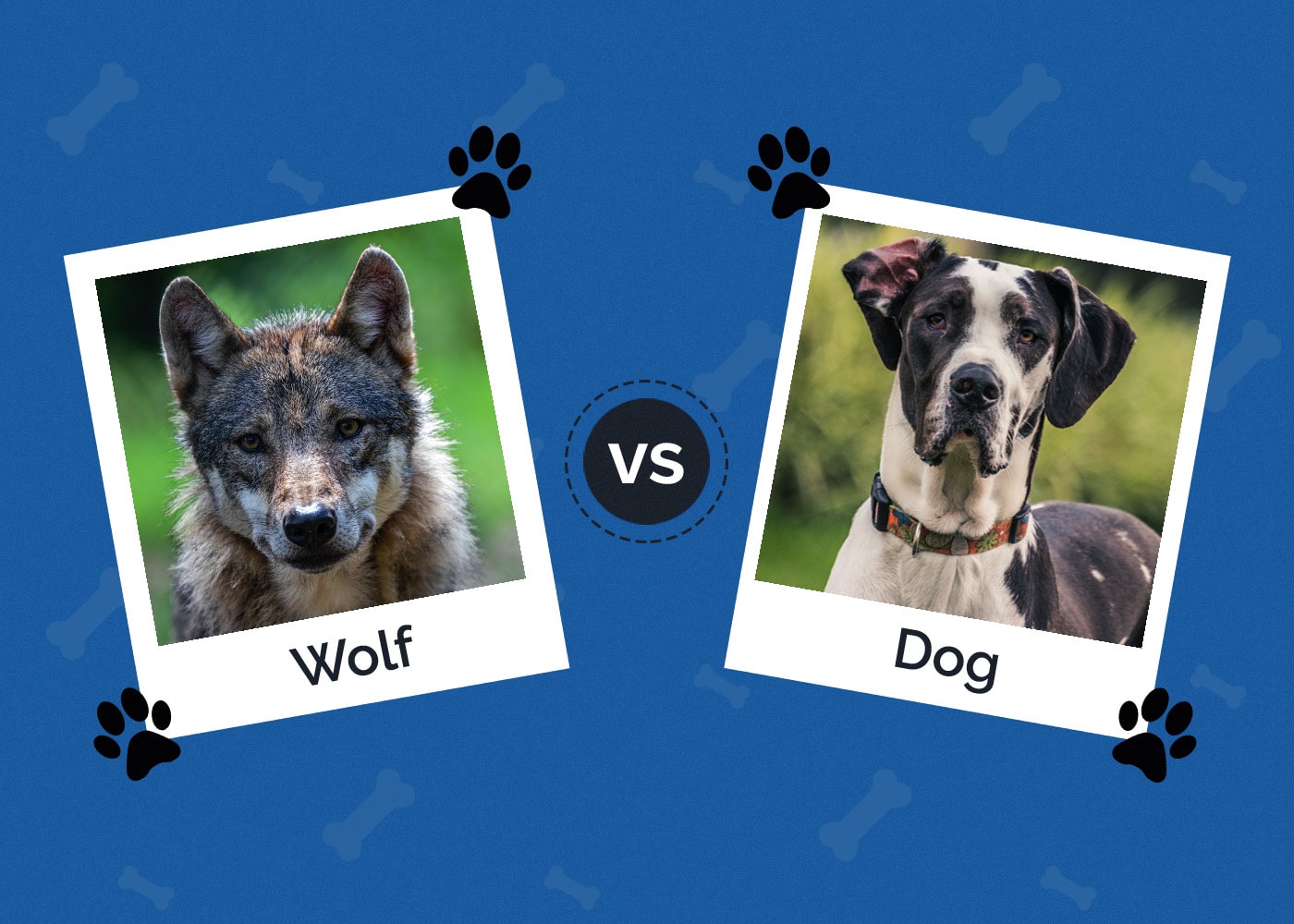
Some traits you see in domestic dogs harken back to the animal’s extinct wolf ancestor. Modern wolves and dogs diverged between 11,000 and 16,000 years ago.1
Dogs have an R-reproductive strategy. That explains the large litter, small size of the puppies at birth, fast maturation, and little degree of parental investment.2 This differs from animals like elephants that are K-strategists and have small litters, mature slowly, have a large size at birth, and care greatly for their offspring. Not all animal species fit strictly into this R or K scheme; some are able to adapt their strategy to the environmental conditions or simply adopt an intermediate position.
The opposite situation to being altricial are the precocial species, which are generally prey. These animals are born quite mature and mobile, their senses are fully developed, and they can escape from danger from a very young age. Examples include the horse, deer, goat, and birds, such as ducks or chicken.
Caring for Puppies in the Early Days
You should focus care on the puppies and the mother during the early days. Pregnancy and birth are critical periods for the mom and the puppies. Careful monitoring and veterinary guidance are vital. During the first few weeks, you should avoid handling the puppies unless you are concerned about their health and development. They will become responsive to environmental stimuli once their eyes open. You can start handling them gently at this time.
Three-week-old puppies are overly sensitive to sensory stimuli, so you should avoid startling them with loud noises. Instead, introduce new sights and sounds slowly and carefully. The pups will also start to recognize their handlers to usher in the all-important socialization period.

Frequently Asked Questions
How Well Can Puppies See?
Initially, puppy vision is very limited. However, their senses sharpen rapidly. They can start to recognize individuals by sight and smell. That fact complements early socialization. However, they are easily frightened. The critical thing to remember is that negative experiences can have long-term effects.
Are Dogs Color Blind?
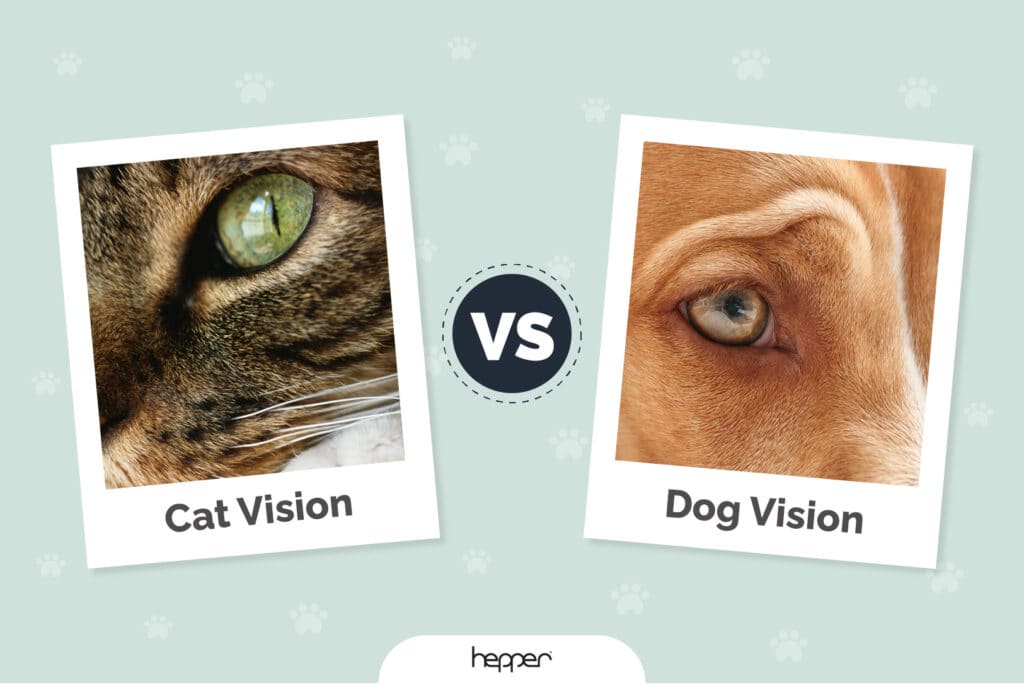
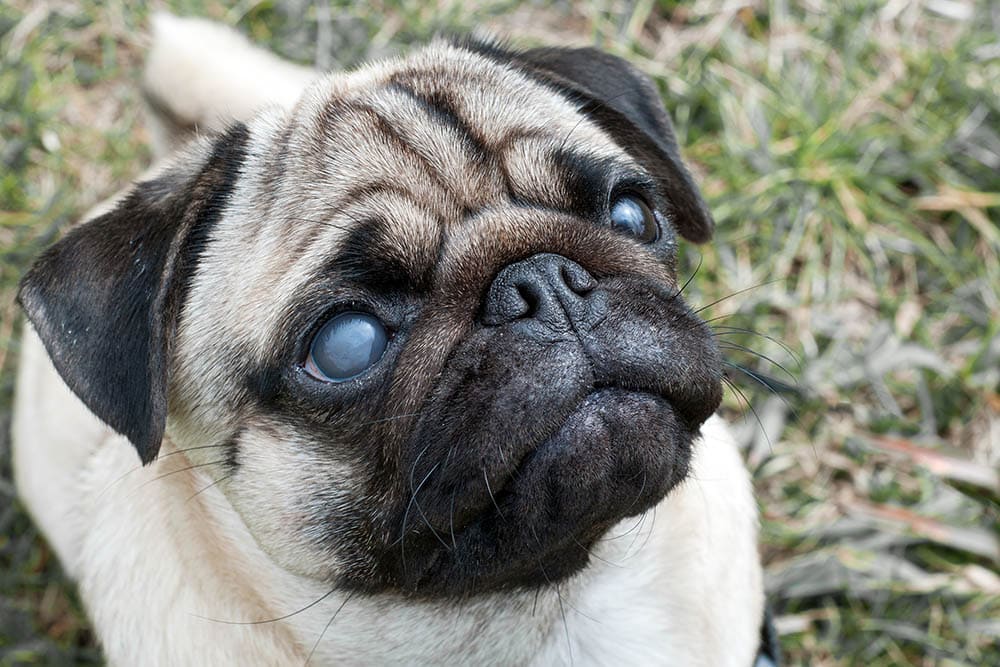
Dogs don’t see in black and white, as some may believe. It is true they don’t have the rich color vision humans have, but they have a dichromatic vision that enables them to discern between yellow and blue. The reason lies in the number and type of photoreceptors they have, called cones and rods. Cones are responsible for color vision and rods provide night vision. Dogs have a smaller number of cone photoreceptors compared to humans and have retinas with more rods. Therefore, canines have excellent vision in low light conditions, but things aren’t as vibrant as we may envision them.
Can Dogs See in the Dark?
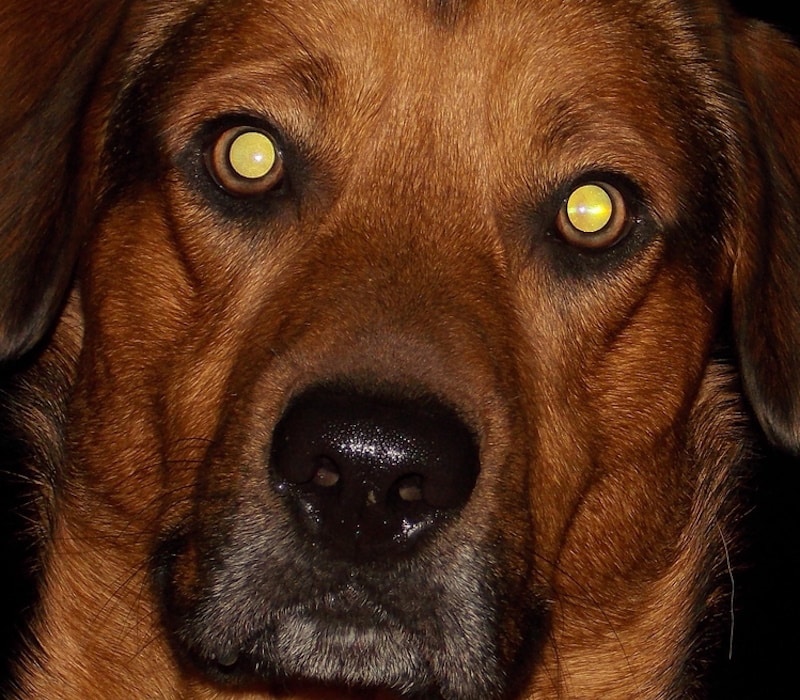
Yes and no. Dogs can see in very low light conditions, but they can’t see in complete darkness. Besides the photoreceptor structure in their retina, dogs have a special layer called tapetum lucidum behind their retina, which maximizes the incoming light allowing them to see so well at night.
Final Thoughts
Puppies are born helpless and, thus, can’t sense their world. Their eyes don’t open until they are approximately 10 to 14 days old. They are totally dependent on their mother for food, warmth, and safety. It’s evolutionarily advantageous since the female can hunt unencumbered by her puppies that would blow her cover with their crying and whining. The best place for them is their den until she returns with nourishment.
Sources
Featured Image Credit: Karen Dole, Shutterstock
Get Hepper In Your Inbox


Pet care tips from our vets and experts, straight to your inbox.
You may opt-out at any time. View our Privacy Policy for more information.
Chris is an experienced pet writer specializing in science topics, with a particular passion for health and the environment. She has been a writer for over 15 years and lives with her husband and three cats in Michigan.
Beyond writing about cats and dogs, Chris loves to learn about wine. She has WSET 1 and 2 certifications and is currently pursuing her Certified Wine Specialist Award (CSW).
Join the conversation
Ask a question, share your story, or send private feedback.