Hepper is reader-supported. When you buy via links on our site, we may earn an affiliate commission at no cost to you. Learn more.
Can Dogs Eat Fish? Is Fish Safe for Dogs? Vet-Approved Facts


In this article
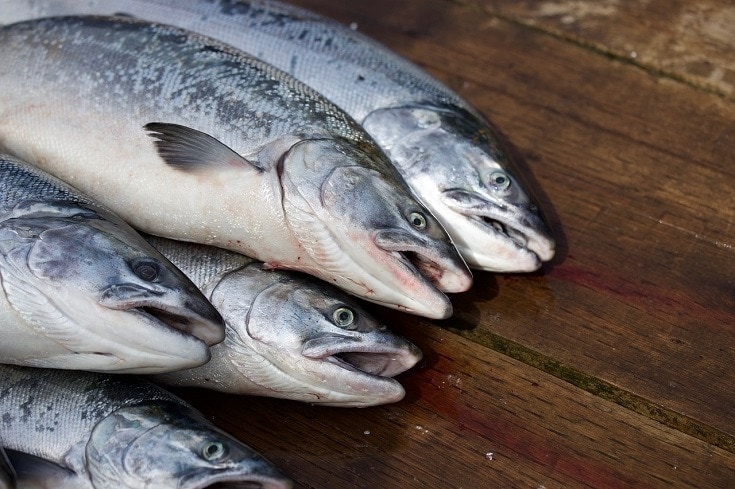
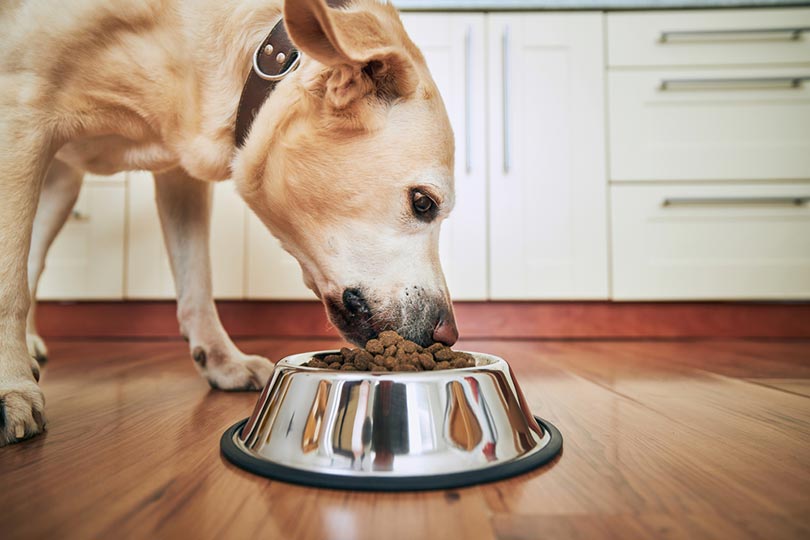
Have you ever looked at your dog’s food bag ingredient list? There’s a good chance that you’re going to find fish somewhere on the menu. And there’s a good reason for that — fish is super healthy for your canine.
Fish is an amazing source of high-quality protein that your dog needs to thrive. But aside from the protein, fish contains a bunch of other great nutrients. It’s full of omega-3 fatty acids that can help decrease inflammation. Fish also contains very little fat, meaning that overweight pups can get great nutrition through fish without packing on the pounds when fed in appropriate amounts.
Another great advantage fish has is that it’s an excellent replacement for other protein sources that your dog can be allergic to such as chicken or beef.
So, with all these benefits, why even bother with the question? That’s because not all fish are great for your dog, and there are some precautions you need to take when feeding it to your pup.

What Kinds of Fish Are Good for Your Dog?
When it comes to what kinds of fish are good for your dog, you’re in luck because many of them are!
A good rule of thumb when it comes to feeding your dog fish is that shorter-lived, smaller wild-caught fish are best.
This can include, but is not limited to:
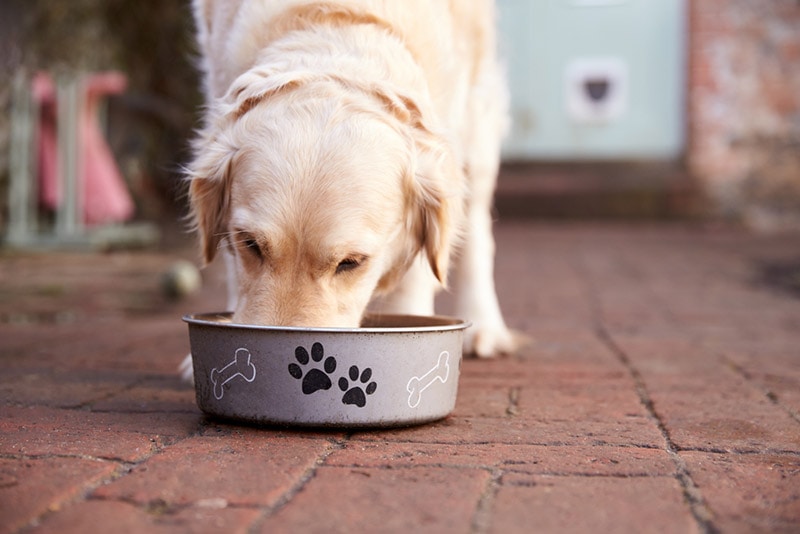
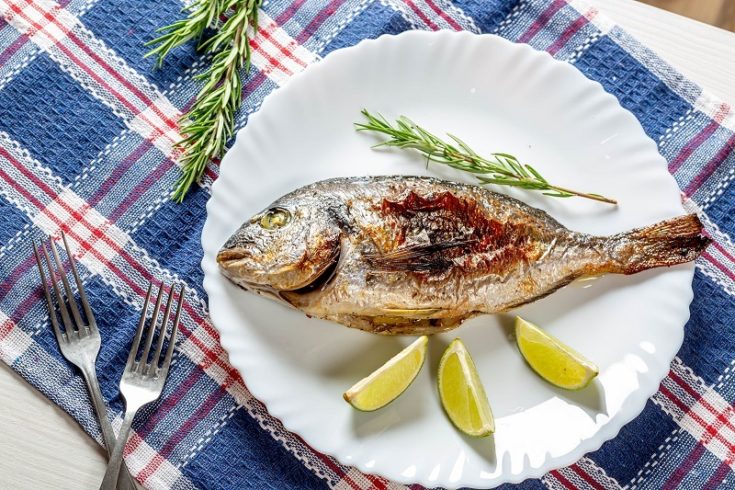
These types of fish are much less likely to have built up harmful levels of mercury. However, you’re going to want to do a couple of things first. Always fully cook the fish first. This will help to stave off harmful bacteria such as Listeria and Salmonella.
Also, you’re always going to want to remove the bones. Fishbones are thin, sharp, and brittle. They pose a major choking hazard while being chewed and swallowed. They can also cause significant damage to the lining of the stomach and intestines and can even perforate them and damage surrounding internal organs. This is life-threatening.
The only real exceptions for this are when feeding your dog canned salmon or sardines. Look for brands that are packed in water, with no added salt or other additives. These bones are often small and soft enough to eat with zero worries, due to the canning process. Still, check the cans before serving it to your dog to make sure no larger pieces have been left in.
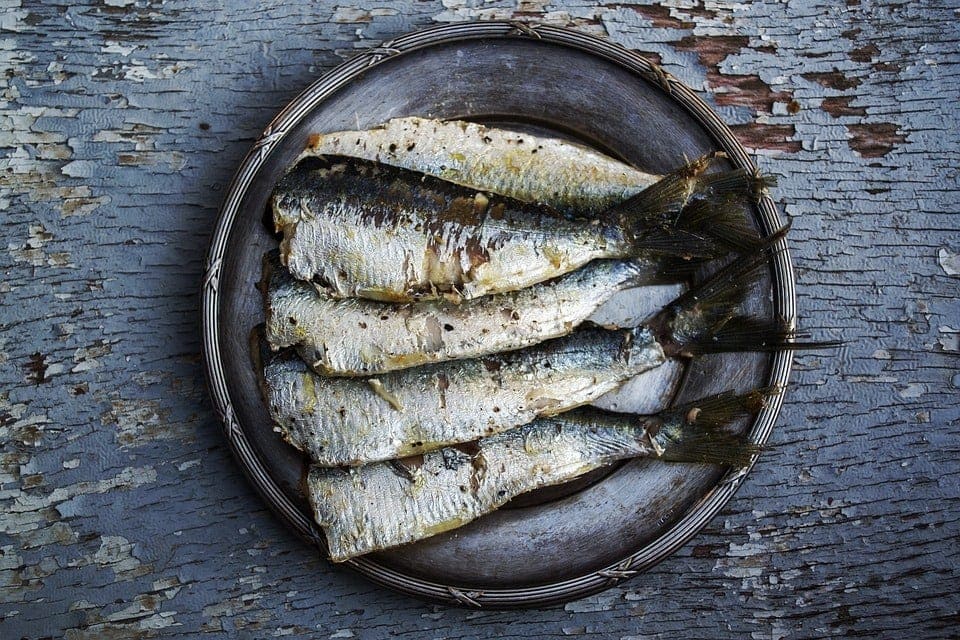
Speaking of sardines, these small fish are another seafood you can give to your dog. They have minimal exposure to toxins and don’t live long enough to rack up high amounts of heavy metals. They can be offered to your pooch skin-on and with the bones, due to their small size. Choose fish from responsible, wild-caught sources with sustainable populations that are not impacting the local fish numbers or their habitat.
Fish are full of delicious nutrients, vitamins, minerals, and lean proteins that dogs need for healthy and active living. Different types of fish have varying amounts of protein and fat, so it’s important to consult your vet before adding them to your dog’s diet. They need to be accounted for when calculating your pooch’s total daily nutrient requirements. Some dogs may need a restricted amount of omega-3 fatty acids, as a high dose may lead to clotting issues or delayed wound healing, which are recognized side effects, although luckily they are rare.
What Kinds of Fish Should My Dog Avoid?
You should avoid feeding your dog older, larger fish in general. This is because these fish have had the time to accumulate mercury.
This can include fish such as:
Catfish should be offered only infrequently and in small amounts, due to potentially significant levels of polychlorinated biphenyls that may be harmful. You may be wondering about tuna. Long-lived fish such as tuna and swordfish contain high levels of mercury and should best be avoided. Tuna should only be offered to adult dogs as a very small treat on special occasions, and definitely not on a regular basis.
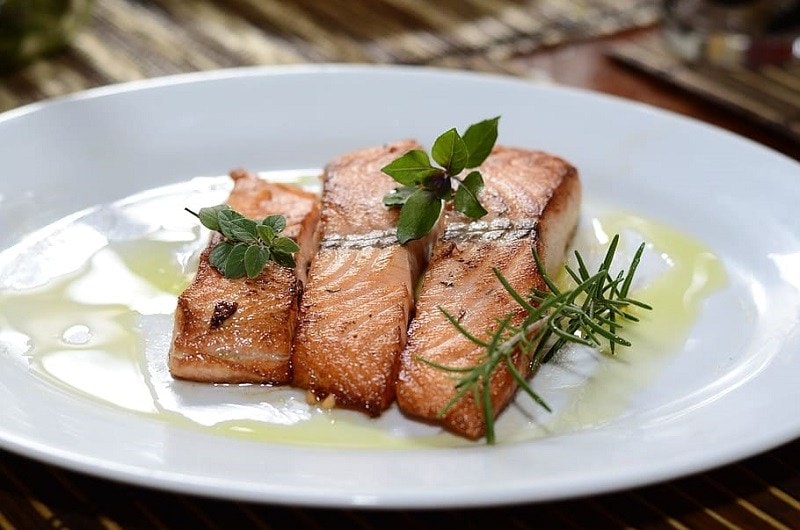
There are also some special cases you’ll want to avoid. For instance, while cooked salmon is great, you don’t want to give smoked salmon to your pooch. It’s just too salty and often contains other additives.
Also, farm-raised fish isn’t that great either. That’s because they often have a higher potential of antibiotic residues.
Are Shellfish Safe for Dogs to Eat?
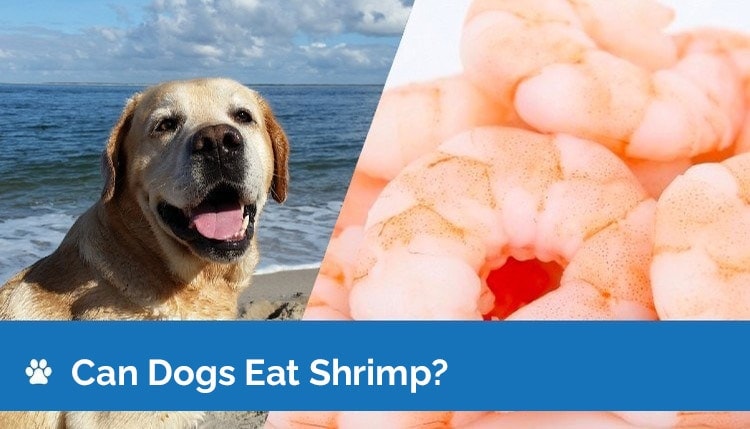
Shellfish for your dog is something you’ll generally want to avoid or offer occasionally in very small amounts and, very importantly, only if prepared adequately. What may be appropriate for you to eat is not necessarily safe for your pooch. This includes shrimp, prawns, crab, lobster, and crawfish. Technically speaking, your dog can have a few nibbles of plain shellfish provided that they are only eating the meat, that the shell is completely removed, and that the meat is fully and thoroughly cooked without any additives, oils, spices, or salt. This type of meat also spoils very quickly, so make sure it is fresh, as otherwise, your dog may experience serious stomach upset even from a small amount of meat. If you’re not sure, it’s best to throw it away.
But all this doesn’t mean that cooked shellfish without the shell is the best option for your pooch. Shellfish meat may cause allergic reactions in some dogs, so it’s imperative to consult with your vet before considering it as an occasional treat for your pooch. The shells themselves present a serious choking hazard but can also lead to a blockage in the stomach or intestines if swallowed. It’s always best to be safe rather than sorry as there are many better treat options for your pooch.
Are Bivalves and Mollusks Okay to Feed Dogs?
These are shelled seafood such as clams, oysters, snails, scallops, and mussels. First, the shells of these animals should be kept out of reach from your pooch because they present a serious choking hazard. And if your strong-jawed pup manages to crunch through one, the shards present another hazard. They may damage and fracture the teeth or stuck between the jaws or at the back of the throat. If swallowed, the shells can cause a blockage in their digestive system.

But that’s just one issue. Bivalves and mollusks are known as water filterers. They suck up the surrounding water and spit it back out. The problem with this is that they often retain the harmful toxins and bacteria from the surrounding water. This is why it’s doubly important for these creatures to be thoroughly cleaned even when prepared for human consumption, and they should never be offered to a dog in raw form. A small piece of cooked meat that your dog accidentally eats is unlikely to cause a significant health issue, but some dogs may develop a stomach upset, so it’s best to keep your pup away from bivalves and mollusks altogether.
What About Sushi or Raw Fish?
Uncooked fish in sushi can be quite a treat for us, but it’s definitely not something you should ever share with your pooch. Raw fish can be home to many different parasites and unwanted bacteria. As a matter of fact, there’s a condition known as salmon poisoning disease that affects dogs when eating raw salmon. It can be fatal if not diagnosed and treated promptly. Never offer your dog raw fish, as it can make them very sick, and there are many safe and delicious treat alternatives.
Sushi provides extra risks as well. And that’s because it’s not just the raw fish that can cause an issue, it’s everything that goes along with it. Sushi — while safe and delicious for us — has many different elements that either aren’t necessarily safe for doggie consumption or are even harmful, such as rice wine vinegar, soy sauce, and avocado.
Are Fish Sticks Safe for Dogs to Eat?
Fish sticks and imitation crab meat (surimi) is mostly made from thermally processed fish meat. These products are actually made out of different whitefish species that won’t cause any real harm on their own. However, they aren’t going to do any good either. They often contain additional ingredients, flavorings, preservatives, gums for binding such as carrageenan and xanthan, sugar, sorbitol, vegetable oil, starch, and many more. These amounts are unlikely to cause significant issues in your dog but are far from healthy and may lead to a stomach upset. Fish sticks and the like are chock full of starch and flour, which don’t provide any nutritional benefit. So, if your dog eats one by accident, it’s unlikely to cause significant illness. However, we wouldn’t recommend them as treat options.
Final Thoughts
Fish makes for a wonderful addition to a dog’s diet. They contain so many valuable nutrients, such as omega-3 fatty acids, vitamins, and minerals. They’re also a great source of lean protein. However, you need to make sure that you’re getting freshly-sourced fish and that it’s been properly deboned and cooked before you share it with your furry friend. Speak to your vet about introducing fish to your dog’s diet and what the adequate amounts are for your pooch.
See Also:
Sources
Featured Image Credit: amenic181, Shutterstock
Get Hepper In Your Inbox


Pet care tips from our vets and experts, straight to your inbox.
You may opt-out at any time. View our Privacy Policy for more information.
Nicole is a lover of animals of all sizes but is especially fascinated with the feline variety. She’s the proud mom of Baby, a Burmese, and works every day so he can relax in the sunshine or by the fire. She’s always had a cat in her home and has spent countless days with others, observing behaviors and softening up even the grouchiest of the lot. Nicole wants to share her kitty expertise with you so you and your cat can live happy, healthy, and care-free.
Join the conversation
Ask a question, share your story, or send private feedback.