Hepper is reader-supported. When you buy via links on our site, we may earn an affiliate commission at no cost to you. Learn more.
Are You Allergic to Cats? Learn About Common Cat Allergy Symptoms

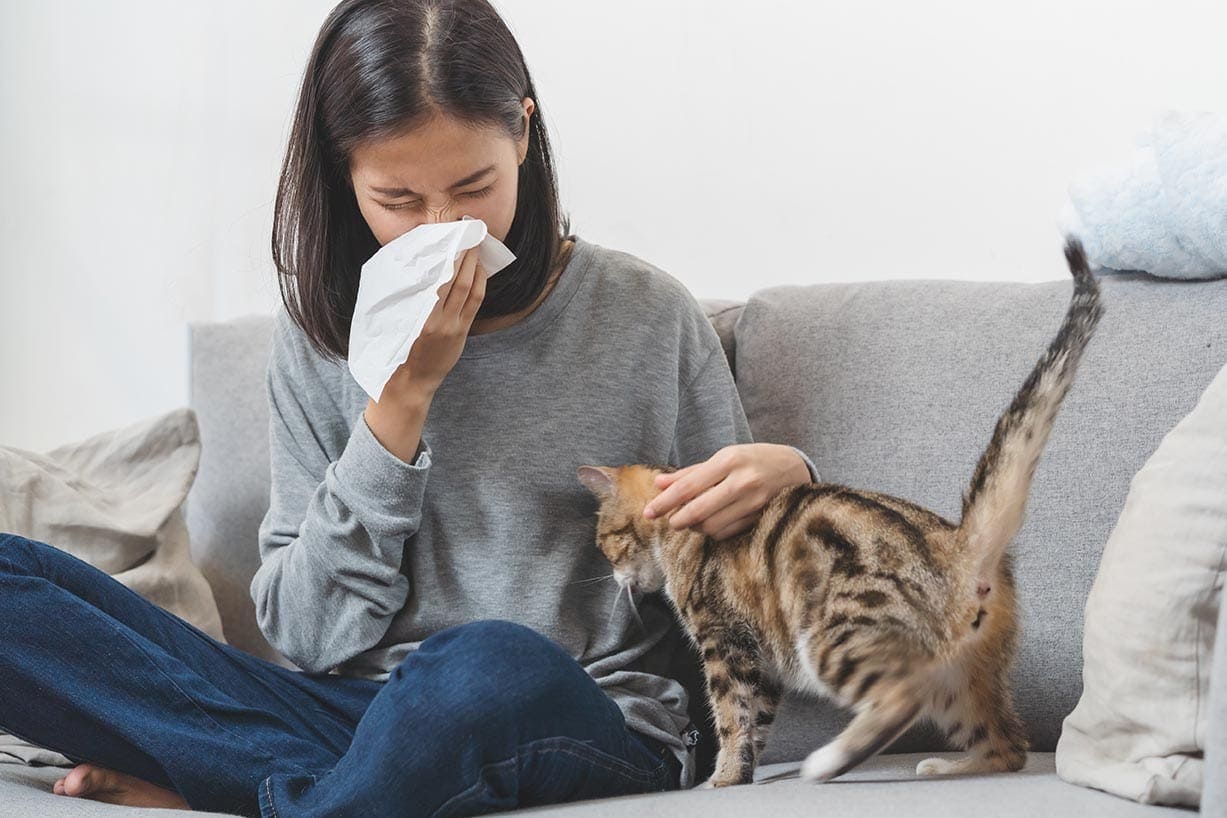
In a perfect world, you’d never be allergic to something that you loved. But in the world we live in, things rarely work out perfectly. Unfortunately, sometimes fate plays cruel jokes on us, making us allergic to the things we love most.
Approximately 10%-20% of all people are allergic to cats or dogs. Not all allergies create reactions of the same severity though, so it’s perfectly possible for someone to be allergic to cats and not even know it! In fact, some people own cats without even realizing that they’re allergic.
If you find that you’re constantly dealing with allergies, such as a runny nose or persistent cough, then you might be allergic to one of the cats in your household. In this article, we are going to take a look at some of the common cat allergy symptoms that could clue you into your hidden allergies. Hopefully, by the end, you’ll be able to tell if it’s your cat that is causing your reactions or if there’s another culprit to blame.

What Causes Cat Allergies
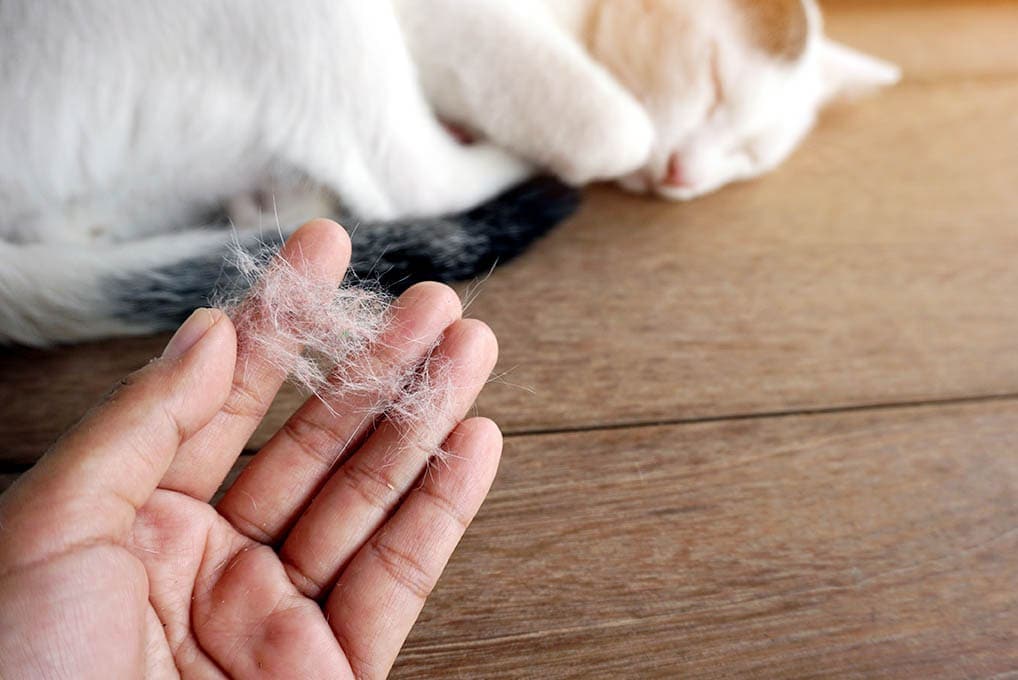
It’s a common misconception that cat hair is what causes allergic reactions, but this isn’t actually true. However, the allergens that cause cat allergies do often attach themselves to your cat’s hair, so excessive shedding can definitely lead to an increase in allergic reactions. Once these allergens are airborne, they can remain in the air for extended periods before eventually setting on the floor and furniture of your home. Once this happens, you don’t even have to touch your cat to incite a reaction!
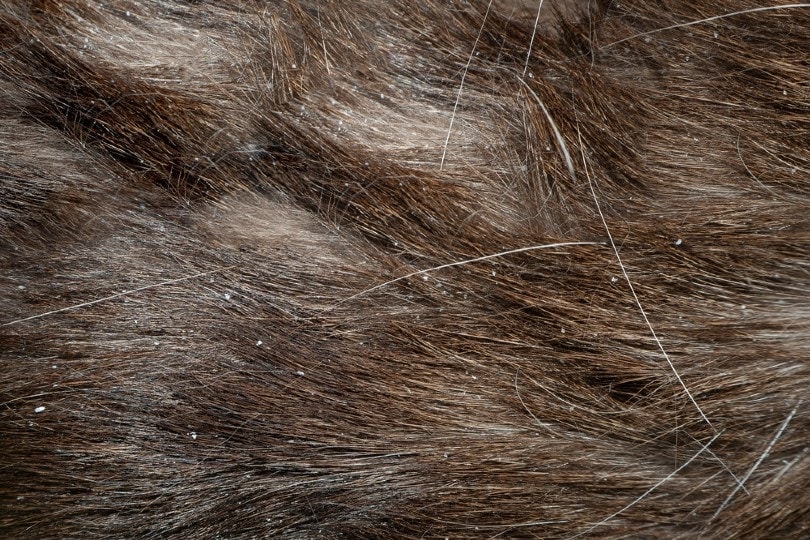
So, what exactly is it that you’re allergic to on your cat? Allergens are small proteins that cause allergic reactions, and your cat releases several. Their skin releases some allergens known as dander, and a majority of the remaining allergens come from cat saliva.
Cat dander is actually much smaller than other types of allergens, including other dander. Pollen, mold, dust mites, and dander from other animals are all much larger than cat dander. This means that cat dander remains airborne much longer than other types of dander. Once you disturb cat dander, it can float around in the air for 30 minutes or more, constantly exposing you to the allergen.

Common Cat Allergy Symptoms
If you’re constantly dealing with the following symptoms, it might be a sign that you’re allergic to your feline. Don’t worry though. In a later section, we’ll discuss different ways that you can manage your cat allergies, so, hopefully, you won’t have to get rid of your beloved kitty!
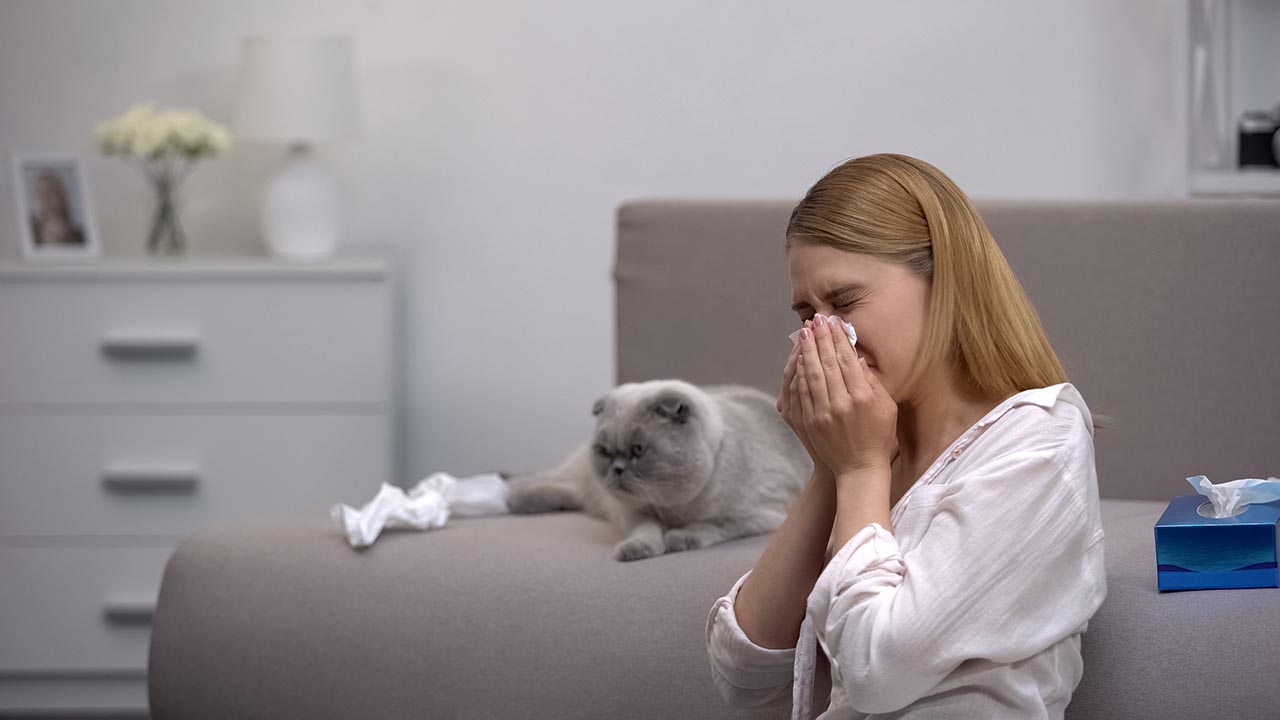
Cat allergies can take just a few minutes to cause a reaction, or they could take several hours. The most common symptoms of cat allergies include:
- Skin rashes and hives
- Red, itchy, or watery eyes
- Excessive coughing
- Tightness in the chest
- Wheezing or shortness of breath
- Runny or stuffed-up nose
- Sneezing
- Nasal congestion (can cause facial pain)
- Redness on your skin where you’ve been licked by your cat
Cat Allergy Diagnosis
If you suspect that you might be allergic to cats, you’ll want to get a diagnosis so you can be certain. The best way to do this is to visit an allergist. They can test and diagnose you, as well as offer potential treatment solutions. Even if you’re pretty certain that your allergies are caused by cats, getting tested for an official diagnosis is a good idea since it rules out other possible allergens that could just as likely be causing your reactions.
The most common type of test for diagnosing cat allergies is a skin-prick test. To perform this test, the allergist will prick your skin with a small dosage of cat allergen. Then, you’ll be monitored for signs of a reaction, including all of the symptoms listed above. It generally takes about 15-20 minutes for symptoms to be exposed in this manner.
Managing and Treating Cat Allergies
Once you’ve determined that you’re allergic to cats, several methods are available to you for managing your allergies.
Naturally, avoiding cats altogether is your best way to prevent allergic reactions to cats. But this isn’t always possible. Maybe, you own a beloved cat and don’t want to get rid of it. Aside from avoidance, here are some other ways to manage cat allergies in your home.
- Restrict the cat to only certain parts of the house. This will make it easier to manage the allergens in that part of the home while keeping your bedroom and other areas you’re in a lot free of allergens.
- Avoid hugging, petting, or kissing your cat. If you can’t avoid it altogether, be sure to wash off thoroughly afterward to get the allergens off of your skin.
- Utilize HEPA filters that can remove the airborne allergens by filtering the air.
- Vacuum and dust every day to get rid of all the allergens that settle on the floor and your furniture.
- Bathe your cat regularly to rid them of excess allergens attached to their fur.
Sometimes, you need to reduce your risk of reaction, but you can’t control the environment or the feline. Perhaps, you work in a field that necessitates you entering peoples’ homes, in which case, you may not have a choice but to be around cats from time to time. Luckily, there are some treatment options available for those who suffer from cat allergies. You’ll need to consult with your allergist to see if any of these options are right for you.
- Nasal sprays are often used to treat nasal symptoms
- Oral medication can be prescribed by your allergist such as antihistamines
- Eye drops can be used to treat eye-related reactions
- Inhalers are often used for treating respiratory and asthmatic reactions
- Immunotherapy allergy shots can build tolerance over time
Hypoallergenic Felines
For those cat lovers who are unfortunate enough to suffer from cat allergies, hypoallergenic cats seem like the answer. These are cats that supposedly won’t affect those people who are allergic to felines. In reality, there are no truly hypoallergenic cats. All cats create allergens. If you’re allergic to cats, there are no cat breeds that are completely safe for you to be around. However, there are a few cats that have a reduced effect on allergy sufferers. Those cats include:
- Balinese
- Bengal
- Burmese
- Colorpoint Shorthair
- Cornish Rex
- Devon Rex
- Javanese
- Ocicat
- Oriental Shorthair
- Russian Blue
- Siamese
- Siberian
- Sphynx
Conclusion
Pet allergies are quite common. If you don’t like animals, then suffering from pet allergies is not a problem. But for someone who loves animals and wants pets, it can seem like a cruel twist of fate to be allergic to them. It’s even possible that you’ve been living with cats and allergies, never realizing that the two were related. Hopefully, after reading this article, you’ve been able to connect the dots and determine what’s causing your allergic reactions. With a little luck, you’ll be able to manage or treat your allergies without needing to remove your beloved cat from your home!
Related Reads:
Featured Image Credit: Pormezz, Shutterstock
Get Hepper In Your Inbox


Pet care tips from our vets and experts, straight to your inbox.
You may opt-out at any time. View our Privacy Policy for more information.
A true Renaissance man, Dean Eby has worked a variety of hands-on careers, including home building and remodeling, personal training, and now shares his experiences and understanding as a writer. An avid outdoorsman, Dean spends much of his time adventuring through the diverse terrain of the southwest United States with his closest companion, his dog, Gohan.
For Dean, few passions lie closer to his heart than learning. An apt researcher and reader, he loves to investigate interesting topics such as history, economics, relationships, pets, politics, and more.
Join the conversation
Ask a question, share your story, or send private feedback.